If you’ve ever stood in the middle of your bedroom at 2 a.m. the night before a trip, staring at a pile of half-folded shirts, a random tube of toothpaste, and that weird portable charger you forgot you owned, you know organizing a travel bag isn’t just about stuffing things in. As a bags supplier who’s spent the last 12 years talking to frequent travelers, family vacationers, and backpackers who’ve called me panicking because their bag split open mid-hike, I can tell you: good packing isn’t about how much you bring—it’s about how smart you arrange it. Over the years, I’ve tested every trick in the book, worked with regular folks who fix my mistakes, and learned what actually works, not just what Instagram tells you to do. Let’s break this down like we’re talking over coffee, no fancy jargon, just real stuff that keeps your bag intact and your trip stress-free. Bags
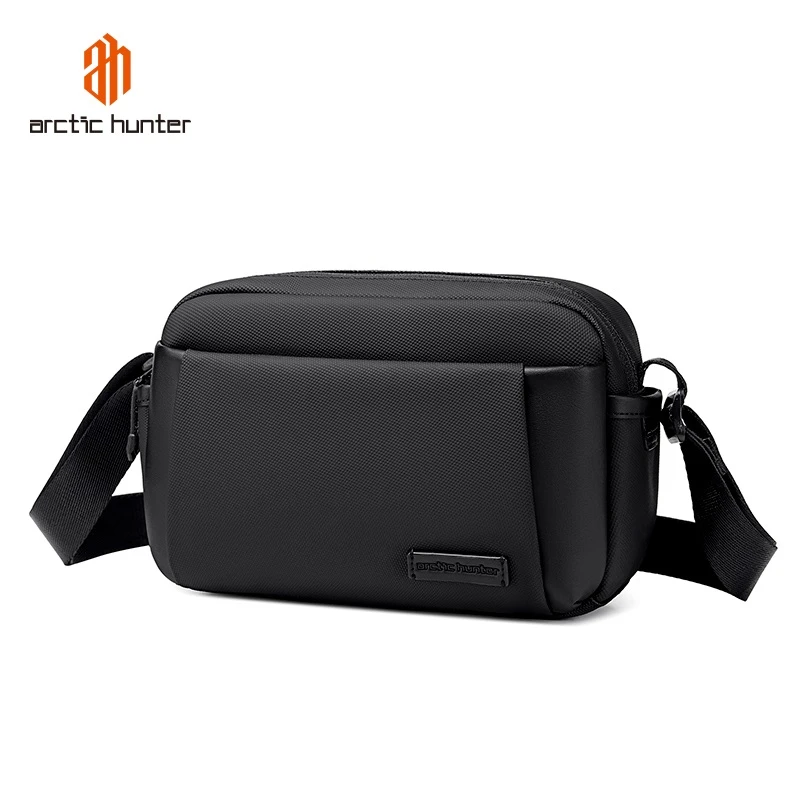
First, the non-negotiable first step: pick the right bag for the job. This is the mistake I see most people make—they grab a big duffel they use for soccer practice for a 10-day international trip, or a tiny backpack meant for a day hike for a week at the beach. Let’s be clear: not all bags are created equal, and using the wrong one sets you up for chaos before you even pack a single sock. If you’re flying cross-country, a 40-liter carry-on spinner is your sweet spot—it fits in overhead bins, has wheels so you don’t hurt your back lugging it, and has enough compartments to keep things separated. For a weekend road trip, a 60-liter duffel with a wide opening is perfect—no more digging around the bottom to find your swimsuit. If you’re backpacking through Europe, a 50-liter internal-frame backpack with a waist belt is non-negotiable; it distributes weight so you don’t have sore shoulders by noon. And here’s a pro tip I didn’t learn until I started supplying bags: always size up by 10 liters, not down. Most people under-pack for weather or forget that random gift they want to bring back, and a bag that’s just right when empty will burst at the seams when you add a few extra items. I’ve had customers tell me they regretted not getting the bigger size until they came back with a suitcase full of souvenirs and a bag that could still close without forcing the zippers.
Once you have the right bag, the next step is sorting your stuff before you touch the bag at all. I see people dump their entire closet on the bed and start shoving, but that’s how you end up with a wrinkled shirt and a broken bottle of shampoo. Instead, lay out every single item you think you need, and then cut it by 20%. I know that sounds harsh, but 9 times out of 10, you’ll wear half the things you pack anyway. For example, if you’re going to a beach trip, you don’t need 5 pairs of shorts—you can wash a pair in the sink and hang them up overnight, so 2 pairs are enough. For work trips, you don’t need 10 blouses—mix and match 3 that go with 2 pairs of pants and a blazer. Once you’ve cut the excess, sort your items into three piles: daily essentials (things you’ll need within the first hour of landing), hard/ bulky items, and soft/ foldable items. This sorting step is the backbone of good organization, and it’s the one most people skip.
Now, let’s talk about packing those items, starting with the hardest part: bulky, rigid things. Think shoes, laptops, toiletry bottles, and first-aid kits. These are the items that take up the most space and can crush softer clothes if you put them on top. Here’s where I’ll share a trick I’ve tested with thousands of customers: place these bulky items at the bottom of the bag, along the edges where the frame of the bag is strongest. For shoes, stuff each pair with socks or underwear to save space—this also keeps the shape of the shoe, so they don’t get squished. Put shoes in a separate dust bag (I include small dust bags with every bag we supply, by the way—they’re a small detail that makes a huge difference) so the dirt from the soles doesn’t get on your clean clothes. For laptops and tablets, always use a padded sleeve that fits exactly—never stuff them in a pocket that’s too big; they’ll slide around and get scratched. Toiletry bottles: invest in travel-sized ones, and put them all in a waterproof toiletry bag. I always put this bag in the middle of the hard/ bulky layer, not on top, so if a bottle leaks, it doesn’t ruin your entire trip. And here’s a non-negotiable rule for liquids: follow the TSA guidelines if you’re flying, but even if you’re driving, never pack full-sized bottles. They leak, they take up space, and you can refill travel sizes anywhere.
Next, the soft, foldable items—clothes, sweaters, scarves—these make up most of your bag’s space, and how you pack them can either save you tons of space or leave you with a wrinkled mess. For years, I was a folder, folding every shirt perfectly and stacking them, until a customer told me rolling was a game-changer. I tried it, and now I swear by it, but with a tweak: the bundle roll. Here’s how it works: lay a shirt flat, place a thin pair of pants or a scarf in the center, roll the shirt tightly from the bottom to the top, and tuck the excess fabric into the roll. This keeps everything together, prevents wrinkles, and takes up 30% less space than folding. For sweaters, which are bulky, fold them once in half lengthwise and roll them loosely—they don’t need to be tight, and rolling them keeps them from piling into a lumpy mess. Pro tip: keep the items you’ll need first (like a shirt for the first day of your trip) near the top of the bag, so you don’t have to dig through the whole thing. Also, reserve a small pocket in the top of the bag for items you might need mid-trip, like a rain jacket or a hat—leave it accessible, not buried under clothes.
Now, the tiny items that always get lost: chargers, headphones, keys, travel adapters, hair ties. These are the bane of every traveler’s existence, and they’re why a bag with good interior pockets is worth every penny. When I design the bags we supply, I add multiple small interior pockets—ones that are deep enough for a phone, ones with elastic loops for chargers, ones that are mesh so you can see what’s inside. For these tiny items, use small packing cubes or even old jewelry bags (save your nice ones, or grab cheap ones from the drugstore) to group similar items together. Put all electronics in one cube, all toiletries accessories (hair ties, q-tips) in another, all travel documents (passport, tickets, hotel confirmations) in a waterproof document pocket that’s easy to reach at security. The last thing you want is to be at the airport, rummaging through 10 different pockets for your passport while the line moves. I once had a customer tell me that a mesh document pocket saved her from missing a flight—she found her passport in 10 seconds, instead of the 10 minutes she spent digging through her bag on a previous trip.
Wait, what about the things you need to keep with you, not packed? Your passport, credit cards, phone, medication—these should never go in the checked bag, and even in carry-ons, they should be in a secure place. I always recommend a neck pouch or a small crossbody bag that you wear under your jacket or close to your body, so no one can pickpocket you. And medication: keep it in your carry-on, not checked, in case your bag gets delayed. If you have prescription meds, keep them in their original bottles, so you don’t have problems at security. That’s a mistake so many people make—they pour their pills into a random pill container, and security gets suspicious. Save the hassle, keep them in the original packaging.
Now, let’s talk about the common mistakes that people make all the time, because even after years of testing, I still see these. First, overpacking. I once supplied a bag to a woman who went on a 7-day trip and packed 15 pairs of shoes—she wore 3. If you can’t name every item you packed before you open your bag, you probably don’t need it. Second, ignoring the weight limit. Airline carry-on limits are usually 7 to 10 kilograms, and even if you don’t fly, a overpacked bag is hard to carry and can break the zippers. We’ve had customers come back to us with bags that broke because they stuffed too much in—zippers split, seams ripped, even wheels fell off. When you’re packing, weigh your bag at home with a cheap luggage scale, not at the airport when you have to pay extra fees. Third, not leaving extra space. I know I mentioned this earlier, but it’s worth repeating—you’ll buy souvenirs, you’ll pick up a bottle of wine on your way back, you’ll need space for dirty laundry. Leave at least 20% of your bag empty when you’re done packing, so you don’t have to stuff and force the zippers. Dirty laundry is another thing—don’t mix it with clean clothes. Use a separate laundry bag (we supply small, reusable ones with all our travel bags now) and put it in a separate pocket, so your clean clothes stay fresh.
Here’s a bonus tip I learned from hiking guides: always distribute weight evenly. The heaviest items should be centered in the bag, close to your back, so the bag doesn’t tip to one side. If you’re carrying a backpack, tighten the shoulder straps and the waist belt—most people only tighten the shoulder straps, but the waist belt takes 70% of the weight off your shoulders, so you won’t get sore. I once had a customer who used to get backaches after every trip, and once she started adjusting the waist belt on her bag, she said she could hike for hours without feeling a thing. It’s a small step that makes a huge difference.
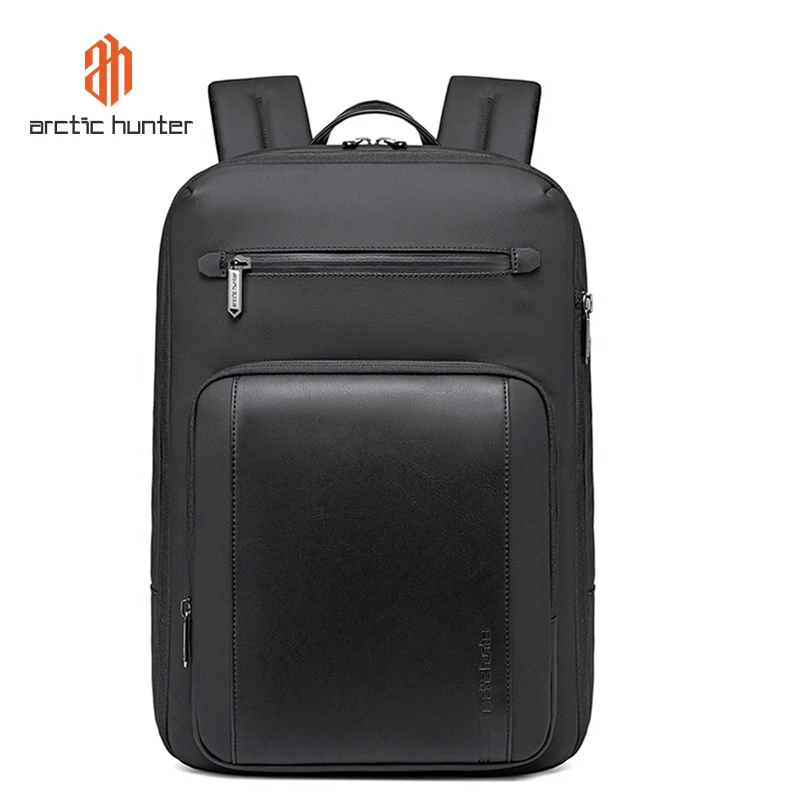
At the end of the day, organizing a travel bag isn’t about being perfect—it’s about being prepared. It’s about not panicking when you land, not losing your passport, not having a bottle of shampoo leak all over your favorite shirt. As a bags supplier, my goal isn’t just to sell you a bag—it’s to give you a tool that makes your trip easier. If you’re looking for a travel bag that’s durable, has the right compartments, and fits all these tips, or if you’re a retailer interested in carrying our line, feel free to reach out to our team to discuss wholesale pricing and custom options. We work with all kinds of travelers, from individual buyers to small boutique stores, and we’re happy to help you find the right solution for your needs.
Camera Backpacks References
- International Air Transport Association. (2023). Carry-on Luggage Guidelines and Packing Best Practices.
- Outdoor Industry Association. (2022). Backpack Weight Distribution and Ergonomic Packing Tips.
- Consumer Reports. (2024). Travel Bag Durability and Organization Testing Results.
- Travel + Leisure. (2023). The Ultimate Guide to Packing Light and Organizing Your Travel Bag.
- American Academy of Family Physicians. (2022). Travel Medication Safety and Preparation Guidelines.
Guangzhou Leading Wolf Leather Products Co., Ltd.
We are one of the most experienced bags manufacturers and suppliers in China since 2009. With a professional production team, we are able to meet the needs of the majority of our customers. We warmly welcome you to buy bulk custom made bags from our factory. Join our distributor recruitment program now!
Address: Floor 1-3, Building A, No. 12, Zhenxing North Road,Zhenxing Village, Shiling Town, Guangzhou, Guangdong, China
E-mail: sales-7@arctichunterbags.com
WebSite: https://www.arctichunter.com/
