Hey there! I’m a supplier of industrial robots, and today I wanna chat about the data management requirements for these bad boys. Industrial robots have come a long way, and data management is a crucial part of making them work efficiently and effectively. Industrial Robots
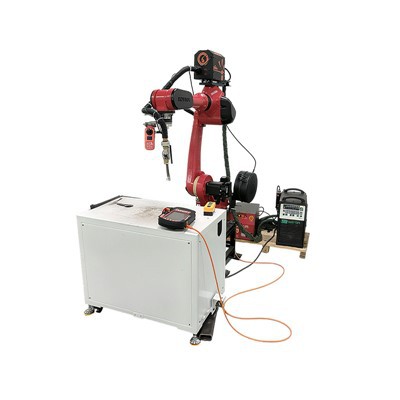
First off, let’s talk about why data management is so important for industrial robots. These robots are used in all sorts of industries, from manufacturing to logistics, and they generate a ton of data. This data can include things like sensor readings, movement patterns, and performance metrics. By managing this data properly, we can gain valuable insights into how the robots are performing, identify potential issues before they become major problems, and optimize their operation.
One of the key data management requirements for industrial robots is data collection. We need to be able to collect data from all the different sensors and systems on the robot. This can include things like position sensors, force sensors, and vision systems. The data needs to be collected in a consistent and reliable way, so that we can analyze it later.
Another important requirement is data storage. Once we’ve collected the data, we need to store it somewhere. This can be on a local server, in the cloud, or a combination of both. The storage solution needs to be able to handle large amounts of data, and it needs to be secure. We don’t want any unauthorized access to the data, as it could contain sensitive information about the robot’s operation and the company’s processes.
Data analysis is also a crucial part of data management for industrial robots. We need to be able to analyze the data to gain insights into how the robot is performing. This can involve things like looking for patterns in the data, identifying trends, and comparing the robot’s performance to benchmarks. By analyzing the data, we can make informed decisions about how to optimize the robot’s operation, improve its performance, and reduce downtime.
In addition to data collection, storage, and analysis, we also need to consider data security. Industrial robots are often used in critical applications, and the data they generate can be sensitive. We need to make sure that the data is protected from unauthorized access, theft, and damage. This can involve things like using encryption, access controls, and regular security audits.
Another important aspect of data management for industrial robots is data integration. Industrial robots often work in conjunction with other systems and equipment, such as conveyor belts, sensors, and control systems. We need to be able to integrate the data from these different systems to get a complete picture of the operation. This can involve using APIs (Application Programming Interfaces) to connect the different systems and transfer data between them.
Now, let’s talk about some of the challenges we face when it comes to data management for industrial robots. One of the biggest challenges is the sheer volume of data that these robots generate. With so many sensors and systems on the robot, the amount of data can quickly become overwhelming. We need to have a system in place to handle this data and make sense of it.
Another challenge is the complexity of the data. The data generated by industrial robots can be very complex, with multiple variables and relationships. We need to have the right tools and techniques to analyze this data and extract meaningful insights.
Security is also a major challenge. As I mentioned earlier, the data generated by industrial robots can be sensitive, and we need to make sure that it is protected from unauthorized access. This requires a comprehensive security strategy that includes things like encryption, access controls, and regular security audits.
So, how can we meet these data management requirements for industrial robots? Well, there are a few things we can do. First, we need to invest in the right technology. This can include things like data collection systems, storage solutions, and analysis tools. We also need to make sure that our staff is trained in data management and security.
Second, we need to have a clear data management strategy. This strategy should outline how we will collect, store, analyze, and protect the data generated by our industrial robots. It should also include guidelines for data integration and how we will use the data to improve the performance of our robots.
Finally, we need to be flexible and adaptable. The technology and requirements for data management in industrial robots are constantly evolving, and we need to be able to keep up. We need to be willing to try new things and make changes to our data management strategy as needed.
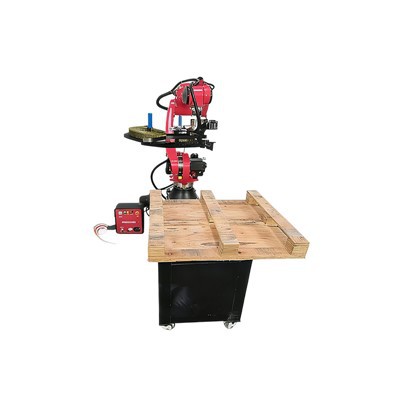
In conclusion, data management is a crucial part of making industrial robots work efficiently and effectively. By meeting the data management requirements for these robots, we can gain valuable insights into their performance, identify potential issues before they become major problems, and optimize their operation. If you’re in the market for industrial robots and are interested in learning more about how we can help you with your data management needs, don’t hesitate to reach out. We’d love to have a chat and see how we can work together to improve your operations.
Palletizing/Depalletizing Robot References:
- Some industry reports on industrial robot data management
- Research papers on data analytics in manufacturing
Dongguan Chuanglida Intelligent Equipments Co., Ltd.
As one of the most professional industrial robots manufacturers and suppliers in China, we also support customized service. Please feel free to buy discount industrial robots in stock here from our factory. For price consultation, contact us.
Address: Room 201, Building 2, No. 61, Shachang 1st Road, Dalang Town, Dongguan City, Guangdong Province
E-mail: haoguangli001@outlook.com
WebSite: https://www.boruntestech.com/
