When we talk about forming equipment, ergonomic design is not just a trendy buzzword; it’s a crucial aspect that directly impacts productivity, safety, and user satisfaction. As a supplier of forming equipment, I’ve seen firsthand how the right ergonomic features can transform a workplace. In this blog, I’ll delve into the various ergonomic design aspects of forming equipment and explain why they matter. Forming Equipment

1. Operator Comfort
One of the primary goals of ergonomic design in forming equipment is to ensure operator comfort. Long hours of operating machinery can take a toll on the body, leading to fatigue, musculoskeletal disorders, and decreased productivity. By designing equipment with the operator’s comfort in mind, we can mitigate these issues.
Seating and Posture
A well-designed seat is essential for operators who spend extended periods at the controls of forming equipment. The seat should be adjustable to accommodate different body types and provide adequate support for the lower back, thighs, and buttocks. Additionally, the equipment should be positioned at a height that allows the operator to maintain a neutral sitting posture, with the knees at a 90-degree angle and the feet flat on the floor.
Control Layout
The layout of controls on forming equipment plays a significant role in operator comfort. Controls should be easily accessible and intuitive to use, reducing the need for operators to stretch or reach awkwardly. Additionally, the force required to operate controls should be consistent and within a reasonable range, preventing fatigue and repetitive strain injuries.
Vibration and Noise Reduction
Forming equipment can generate significant amounts of vibration and noise, which can be harmful to operators over time. To minimize these hazards, our equipment is designed with vibration dampening materials and noise insulation. This not only protects the health of operators but also reduces distractions and improves focus.
2. Safety and Accessibility
Ergonomic design also plays a crucial role in ensuring the safety and accessibility of forming equipment. By eliminating potential hazards and making the equipment easy to operate and maintain, we can reduce the risk of accidents and downtime.
Guarding and Safety Features
All of our forming equipment is equipped with robust guarding and safety features to protect operators from moving parts, flying debris, and other hazards. These features include safety interlocks, emergency stop buttons, and protective barriers. Additionally, our equipment is designed to meet or exceed all relevant safety standards and regulations.
Easy Maintenance
Forming equipment requires regular maintenance to ensure optimal performance and longevity. To make maintenance easier and safer, our equipment is designed with easy access panels, removable covers, and clear labeling. This allows maintenance personnel to quickly and easily access critical components and perform routine maintenance tasks.
Training and Instruction
Proper training and instruction are essential for ensuring the safe and effective operation of forming equipment. As a supplier, we provide comprehensive training and support to our customers, including on-site training, user manuals, and technical support. We also offer ongoing training and updates to ensure that operators are up-to-date on the latest safety procedures and best practices.
3. Efficiency and Productivity
In addition to improving operator comfort and safety, ergonomic design can also enhance the efficiency and productivity of forming equipment. By reducing operator fatigue and improving workflow, we can increase throughput and reduce production costs.
Automation and Control
Our forming equipment is designed with advanced automation and control systems that allow operators to optimize the production process and reduce manual labor. These systems can monitor and adjust process parameters in real-time, ensuring consistent quality and reducing waste. Additionally, automation can reduce the need for operators to perform repetitive tasks, freeing them up to focus on more complex and value-added activities.
Workflow Optimization
Ergonomic design also involves optimizing the workflow of forming equipment to minimize waste and improve efficiency. This includes designing equipment layouts that minimize travel distances and reduce the need for operators to move materials between machines. Additionally, our equipment is designed to be compatible with other manufacturing processes, allowing for seamless integration into existing production lines.
Quality Control
Maintaining consistent quality is essential for the success of any manufacturing operation. Our forming equipment is designed with advanced quality control systems that monitor and inspect the finished products in real-time. These systems can detect and correct defects immediately, reducing waste and improving customer satisfaction.
4. Adaptability and Customization
Every manufacturing operation is unique, and our forming equipment is designed to be adaptable and customizable to meet the specific needs of our customers. Whether you need to produce small batches of complex parts or large volumes of simple components, we can provide a solution that fits your requirements.
Modular Design
Our forming equipment is designed with a modular approach, allowing for easy customization and expansion. This means that you can start with a basic system and add additional features and components as your needs change. Additionally, our modular design allows for easy maintenance and repair, reducing downtime and costs.
Custom Tooling
In addition to our standard equipment, we also offer custom tooling solutions to meet the specific needs of our customers. Our experienced engineers can work with you to design and develop tooling that is optimized for your production process and part requirements. This ensures that you get the best possible results from your forming equipment.
Integration with Other Systems
Our forming equipment is designed to be compatible with other manufacturing systems and processes, allowing for seamless integration into your existing production line. This includes integration with robotics, conveyor systems, and other automation equipment. By integrating our equipment with your existing systems, you can improve efficiency, reduce costs, and increase productivity.
Conclusion
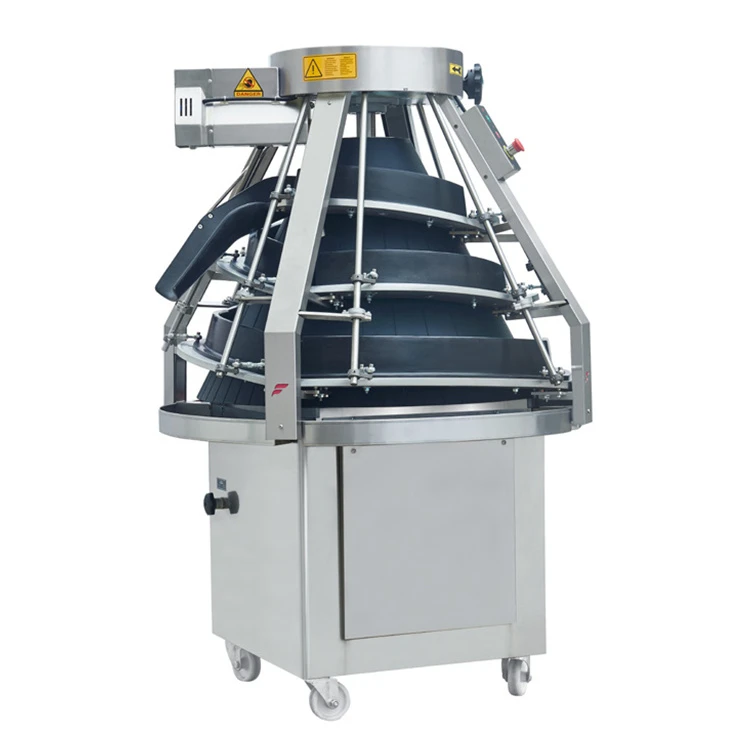
As a supplier of forming equipment, we understand the importance of ergonomic design in ensuring the success of your manufacturing operation. By focusing on operator comfort, safety, efficiency, and adaptability, we can provide you with equipment that not only meets your production needs but also enhances the well-being of your operators.
Cake Cutting Machine If you’re interested in learning more about our forming equipment and how it can benefit your business, I encourage you to contact us today. Our team of experienced engineers and sales representatives will be happy to discuss your requirements and provide you with a customized solution that meets your needs.
References
- Grandjean, E. (2003). Fitting the Task to the Man: A Textbook of Occupational Ergonomics. Taylor & Francis.
- Kroemer, K. H. E., Kroemer, H. B., & Kroemer-Elbert, K. E. (2017). Engineering Physiology: Bases of Human Factors/Ergonomics. Psychology Press.
- Sanders, M. S., & McCormick, E. J. (1993). Human Factors in Engineering and Design. McGraw-Hill.
Guangdong Pinchain Machinery Co., Ltd.
As one of the most professional forming equipment manufacturers and suppliers in China, we have world-leading production equipment and strong manufacturing capabilities. Please feel free to wholesale advanced forming equipment made in China here from our factory.
Address: Room 302, Building 9, CIMC High tech Intelligent Manufacturing Center, No.3 Chanxing 1st Road, Xianyong Village, Chencun Town, Shunde District, Foshan City, Guangdong Province
E-mail: kowa@bakingmachinery.com
WebSite: https://www.bakingsmachinery.com/
