Hey everyone, Plain Woven Fabric
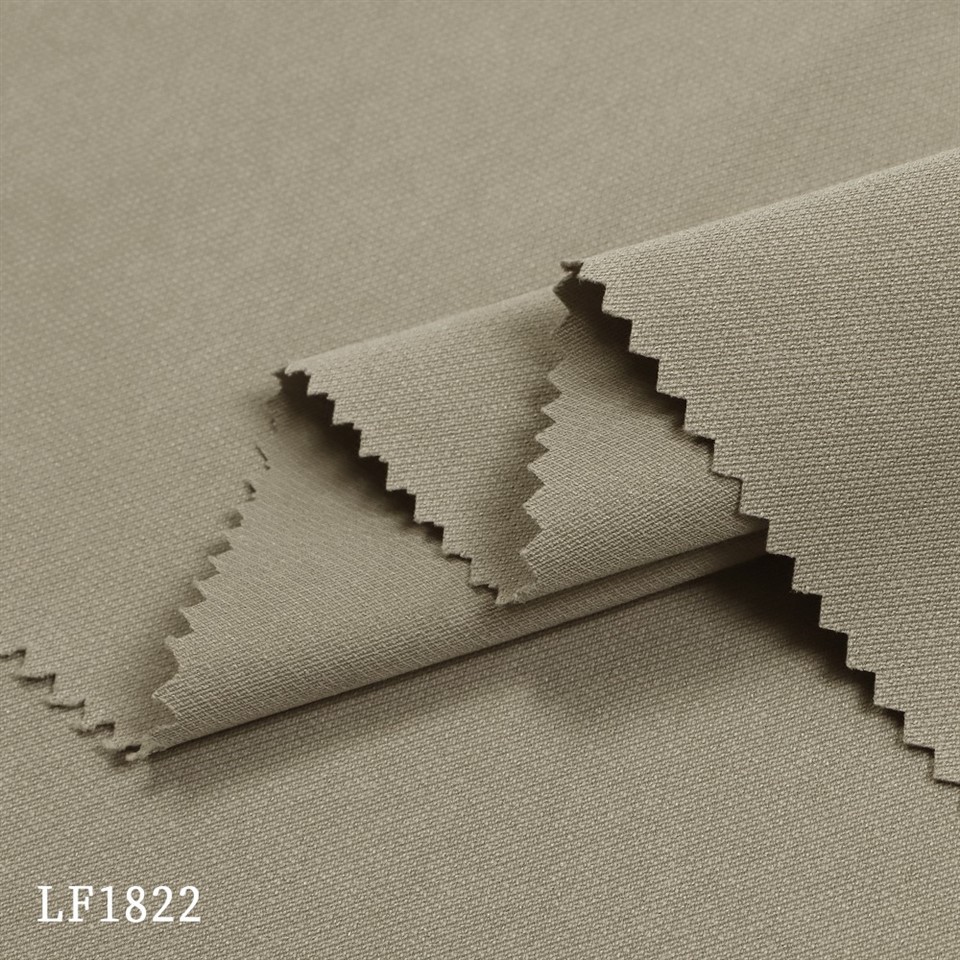
Let me start with a question I get from so many of our customers here at the Plain Woven Fabric supplier I work with: “I love your lightweight cotton plain weave, but how do I turn it into curtains that actually look good and last?” I’ve been in this industry for 12 years, hand-delivering fabric to small boutique interior designers and DIY homeowners alike, and I can tell you—making curtains from plain woven fabric isn’t as intimidating as it sounds. You don’t need a fancy sewing studio or professional tools to pull it off, and when you use high-quality plain woven fabric, the results feel custom-made without the custom price tag.
First, let’s talk about why plain woven fabric is such a game-changer for curtains, especially when it’s the crisp, consistent plain weave we stock. Unlike satin, which can snag easily, or twill, which has a slight texture that sometimes hides details, plain weave is made by over-under interlacing of warp and weft threads—simple, sturdy, and breathable. It drapes beautifully without being too floppy, blocks just the right amount of light (depending on the weight you pick), and holds up to washing better than most other weaves. I once had a customer come back to me after 5 years, saying her living room curtains were still in perfect shape, and she credits that to the plain woven fabric not stretching or fading as much as her old linen-blend curtains. That’s the kind of feedback that makes me excited to walk people through this process step by step.
Before you even touch a needle or a pair of scissors, there’s one non-negotiable step that almost everyone skips, and it ruins more curtain projects than I can count: measuring. I know, measuring sounds basic, but when you’re dealing with plain woven fabric, which has a slight “grain” that can shift if you cut wrong, getting your numbers right is make-or-break. Let me break this down simply, because I’ve seen people order too little fabric and end up with curtains that are too short, or too much and waste money—both are avoidable.
Start with the rod: how wide is the rod, and how far past the window frame do you want your curtains to extend? I always advise my customers to add 6 to 12 inches on each side of the window for that “luxury” look—plus, if your curtains have the extra width, they’ll fully cover the glass when closed, blocking light better. For height, decide if you want your curtains to hang just above the floor, graze the floor, or puddle a tiny bit (for that cozy, modern vibe). Add 4 inches to the total height for the header and hem—this is where most people mess up. For example, if your window is 48 inches wide, and you want curtains that span 72 inches (adding 12 inches total side-to-side), you’ll want 2 panels of fabric, not 1—plain woven fabric is usually 44 to 54 inches wide, so one panel won’t cover 72 inches. Each panel should be about 1.5 times the width of the rod space to give the fabric room to drape (not lie flat against the window), and that extra width makes the pleats look soft, not stretched tight. Let’s do the math together: 72 inches of rod space, times 1.5 is 108 inches total for both panels, so each panel is 54 inches wide. That’s perfect for our 54-inch plain woven fabric, so no seam in the width—win. For height, if you want 84 inches from rod to floor, add 4 inches for a double-fold header (that’s where you fold the top over twice, to hide the raw edge and make space for the curtain hooks or rod pocket) and 4 inches for a double-fold hem, so total height needed is 92 inches. Add a little extra, like 2 inches, just in case your fabric has a slight uneven edge (called the selvage, which is the tight edge along the sides of the fabric) that you need to trim off.
Next, choosing the right plain woven fabric for your curtains. This is where I can speak from experience as a supplier, because we carry different weights for every need. If you’re making curtains for a bedroom where you want to block early morning light, go for our mid-weight cotton plain woven fabric— it’s thick enough to reduce glare, but still breathable so the room doesn’t feel stuffy in summer. For a dining room, where you want soft light during the day, our lightweight linen-cotton blend plain weave is ideal; it has a subtle texture that looks elegant without being too heavy, and it washes nicely. If you’re making blackout curtains, wait—you can actually get blackout plain woven fabric, but it’s a heavier weight, or you can line your plain woven curtains with a blackout lining. I always recommend lining for a few reasons: it makes the curtains last longer, adds insulation in winter, and the blackout lining blocks light better than plain fabric alone. Just keep in mind that lining adds a little to your total width, so you’ll need to adjust your measurements accordingly—add 2 inches per panel to account for the lining.
Once you have your fabric and measurements, prep is key. Plain woven fabric can shrink, especially if it’s cotton, so you need to pre-wash and dry it before cutting. I see so many people skip this step, and after the first wash, their curtains are 2 or 3 inches shorter—total disaster. Here’s how to do it right: wash the fabric in cold water on a gentle cycle, no fabric softener (it can coat the fibers and make the fabric less sturdy), and dry it on low heat. If you’re using a blend, check the care label, but our plain woven fabric is all pre-tested for washing, so you can follow those general steps. Once it’s dry, iron it on a medium heat (follow the fabric’s care guide) to get out all the wrinkles. The plain weave’s tight structure means it irons smoothly, which makes cutting straight lines way easier. When cutting, use sharp fabric scissors (never paper scissors—they’ll dull and tear the fabric), and mark your lines with tailor’s chalk or a washable marker. For the panels, make sure the grain of the fabric runs straight vertically—this means if you pull a thread along the edge, you can cut along that thread to get a perfectly straight line. The selvage edges are the finished ones, so you can either cut them off or keep them, but most people cut them off because they look bulkier when sewn into the seams.
Now, the sewing part—this is where a lot of DIYers get nervous, but plain woven fabric is so easy to sew because its over-under weave doesn’t fray as much as other fabrics, which means less time finishing edges. Let’s start with the hems first, because it’s simpler to do this before the header. For the bottom hem: fold the edge of the fabric up 1 inch, iron it flat, then fold it up another 3 inches, iron again to create a double-fold hem. Pin it in place every 4 inches, and sew a straight line along the bottom edge of the folded fabric, close to the inner fold. That’s it—no need to zig-zag the edge because plain woven fabric barely frays, but if you want extra security, you can add a zig-zag stitch along the raw edge first. For the side seams: if your panel is narrower than the fabric width (like if you ordered 54-inch fabric for a 40-inch panel), fold the raw side edge in ½ inch, iron, then fold it another ½ inch, pin, and sew a straight line. Repeat on the other side. This gives you a clean, finished side seam without any frayed edges.
Now the header—this is where you choose how your curtains hang, and there are three easy options that work perfectly with plain woven fabric. Let’s go over each one, because it depends on the look you want. First, the rod pocket: this is the simplest, no-sewer-optional if you’re feeling casual. To make a rod pocket, fold the top edge of the fabric over 2 inches, iron, then fold it over another 2 inches, pin, and sew a straight line along the bottom of the fold. This creates a 4-inch pocket where your curtain rod slides through. The plain woven fabric’s stiffness means the rod pocket stays open, so the curtains hang evenly. Second, the grommet header: this is a more modern look, where the rod goes through metal grommets, and the fabric forms loops around the rod. For this, you’ll make the header 6 inches wide (so fold the top over 3 inches twice), sew the pocket, then punch holes for the grommets every 6 inches. Grommets add a polished touch, and plain woven fabric holds up to them really well—no tearing, because the weave is sturdy. Third, the tab top: this is a cozy, cottage-style look, where you make fabric tabs that loop over the rod. You’ll cut 8 to 10 strips of fabric (each 2 inches wide, 10 inches long), fold them in half lengthwise, sew the long edge, turn them right side out, pin them along the top edge of the panel, and then sew the top seam of the header to hold them in place. All three of these headers work with plain woven fabric, so pick the one that fits your space—rod pocket is great for beginners, grommet for a contemporary room, tab top for a farmhouse feel.
If you’re adding a lining, now’s the time to attach it. Cut the lining to the same height as your curtain panel (minus ½ inch, so it doesn’t hang below the curtain), lay it on top of the plain woven fabric, right sides together, pin along the side seams and the bottom edge, then sew the side seams and hem. Turn the whole thing right side out, iron the top edge, and you’re done with the lining. The plain woven fabric pairs so nicely with lining because its neutral base lets the lining’s color or blackout function shine through without clashing.
I’ve seen so many customers take their time with this process, and the end result is always worth it. Last year, a single mom from a small town came to me, saying she wanted to make curtains for her kids’ bedroom on a tight budget. She picked our mid-weight blue plain woven fabric, followed these steps, and even added a few hand-stitched stars along the hem. She sent me a photo a month later, and those curtains looked like they were from a high-end furniture store. That’s the beauty of plain woven fabric—it’s versatile enough to be plain or personalized, depending on what you want.
Now, let’s talk about a few common mistakes I see, so you can avoid them. First, not accounting for fullness: if your panels are too narrow, they’ll lie flat against the window and look boring. The 1.5x fullness rule works every time for plain weave, because the fabric’s stiffness means the fullness doesn’t look messy. Second, skipping pre-washing: I can’t stress this enough—plain woven cotton will shrink, and nothing’s worse than finishing your curtains only to have them shrink 3 inches when you wash them. Third, using the wrong needle on your sewing machine: a universal needle works, but for thicker plain woven fabric, use a 90/14 needle to prevent skipped stitches. And finally, not pressing as you go: plain woven fabric wrinkles easily, and ironing as you cut, hem, and sew keeps the lines straight and the final product looking professional.
If you’re still feeling unsure, that’s totally normal. Making curtains is a project, and even experienced sewers take their time. That’s why my team and I here at the Plain Woven Fabric supplier are always happy to help you choose the right fabric, adjust your measurements, or answer any questions you have during the process. We’ve worked with hundreds of DIYers and small designers, and we know how rewarding it is to create something functional and beautiful with your own two hands, especially when you start with a high-quality plain woven fabric that makes the project smooth.
At the end of the day, curtains are more than just a way to cover a window—they set the tone for a room. Whether you want light and airy for your living room, dark and cozy for your bedroom, or something in between, plain woven fabric is the perfect base. It’s durable, easy to work with, and looks good with every style, from minimalist to bohemian. If you’re ready to start your curtain project, we have a wide range of plain woven fabrics in every color, weight, and width to fit your needs. We’re here to help you pick the right one, no matter your skill level.

If you have any questions about measurements, fabric selection, or the sewing process, feel free to reach out to our team to discuss your project. We’re always happy to help turn your curtain vision into reality.
3 3 Twill Weave References:
- Strumpf, A. (2021). The Complete Guide to Sewing Curtains for Every Room. Threads Media.
- Johnson, L. (2019). Fabric Weaves for Home Decor: Choosing Plain Weave for Durability. Interior Design Monthly.
- Smith, K. (2022). Pre-Treatment of Woven Fabrics for Curtain Projects. Home Sewing Journal.
Shaoxing Huichao Textile Co., Ltd.
As one of the most professional plain woven fabric manufacturers and suppliers in China, we offer a wide range of products with superior quality. We warmly welcome you to wholesale bulk plain woven fabric in stock here from our factory. If you have any enquiry about cooperation, please feel free to email us.
Address: Shenyue International Build ing, Unit 1603-1605, Keqiao District, Shaoxing City, Zhejiang Province, China
E-mail: darrenzhong@huichaotextile.com
WebSite: https://www.huichaotextile.com/
