If you’ve ever steeped a bag of black tea in a mug of hot water and thought, “This tastes different from loose-leaf,” you’re not alone. As a tea bag supplier who’s spent the last decade working with small-batch growers and testing hundreds of packaging materials, I get asked this question all the time. It’s not a simple yes or no answer—how a tea bag affects taste comes down to three big factors: the material the bag is made of, how the tea is packed inside it, and even how you steep it. Let me break this down like I would for a café owner picking their first bulk order, no overly jargon-heavy stuff, just what we’ve learned from years of trial and error. Tea Bags

First, let’s talk about the tea inside the bag, because that’s a huge part people miss. When loose-leaf tea is sold in bulk, it’s often whole leaves—think big, unfurled Assam leaves or delicate jasmine pearls—that need room to expand as they steep. But tea bag tea, for most standard options, is called “fannings” or “dust”: smaller, broken pieces of tea leaf, plus sometimes tiny stems or even cut bits of the tea bud. Why? Because small particles extract flavor faster. When hot water hits a fanning, it doesn’t have to penetrate a thick whole leaf; the flavor compounds (that’s the caffeine, the tannins, the fruity or floral notes) come out in 30 seconds instead of three minutes. The downside? If those particles are too small, they can over-extract quickly, leaving a bitter, astringent taste. I remember when we first started working with a small organic green tea farm in Fujian a few years back. They brought us their loose-leaf silver needle white tea, and we thought, “Hey, let’s pack this whole leaf into a premium tea bag!” We tested it at a local café, and they said it tasted watery, like there was nothing there. Turns out, whole leaves don’t have enough surface area exposed in a small tea bag space. The water can’t flow around them evenly, so the flavor never fully comes out. That’s when we learned that particle size isn’t just about making it fit in a bag—it’s about balancing extraction. Now, for our premium line, we use what’s called “broken orange pekoe” (BOP) for black tea, which is larger than fannings but smaller than whole leaves. It gives enough surface area without the risk of over-extraction, and customers love that it’s still easy to brew.
Next, the tea bag material itself. This is where a lot of suppliers cut corners, and it’s the biggest hidden factor in how your tea tastes. For decades, most tea bags were made of paper, often treated with chlorine to make them white. When you steep a chlorine-treated paper bag, it releases a chemical aftertaste—like a slightly plastic or metallic tang—that you might not even name, but you’ll notice is off compared to a paper bag that hasn’t been bleached. A few years ago, we switched all our standard tea bags to unbleached paper, made from natural wood pulp, and the feedback from testers was immediate: the tea tasted “cleaner,” no weird undercurrent. But then we had customers asking for a mesh option for iced tea, because paper bags fall apart when steeped in cold water for hours. We tried nylon mesh at first, and that was a disaster. A café used our nylon bags for iced hibiscus tea, and they complained that the tea had a stale, “plasticky” taste after four hours in the fridge. We did some testing with the help of a food scientist friend, and we found that cheap nylon leaches microplastics when exposed to hot or cold water, especially acidic teas like hibiscus or blackberry. So we switched to food-grade PLA mesh—made from corn starch, it’s a biodegradable plastic alternative that doesn’t leach chemicals. The difference was night and day; the iced tea tasted just like loose-leaf, no off notes. We also tested cotton tea bags for our premium single-origin line, and while they’re lovely, they’re more porous than paper, so some fine tea dust seeps through. For home brewers, that’s a minor nuisance, but for cafes serving lattes, the dust can clog steam wands or sink to the bottom of the mug, making a messy drink. So we stick to PLA mesh for bulk food-service orders because it balances flavor, durability, and mess.
Wait, there’s also the seal of the tea bag, right? If the bag isn’t sealed properly, flavor compounds can escape before you even steep it. We once had a batch of our chamomile tea that tasted weak, and we traced it back to a sealing machine that was faulty. The bags were sealed too loosely, so the volatile essential oils in the chamomile (the stuff that gives it that apple-like, sweet taste) evaporated over time. By the time the customer used it, there was nothing left. That’s why we do a spot check on every single batch we send out—we pull 50 bags, steep them, and taste them to make sure the seal is tight enough to lock in flavor but not so tight that the bag bursts when hot water hits it.
Another thing people don’t talk about is how water interacts with the tea bag as it steeps. When you put a tea bag in a mug, you need to squeeze it or move it around, right? If it’s a paper bag, squeezing too hard can push bitter tannins out, because you’re compressing the small tea particles and forcing excess flavor compounds into the water. If it’s a mesh bag, it’s more forgiving, but over-squeezing still leads to bitterness. We tested this with a blind taste test: 10 people got the same black tea, either loose-leaf or in a tea bag. Half were told to squeeze the bag when they thought it was done steeping, the other half just let it sit. The people who squeezed reported a “harsh” taste, while the others said the tea tasted smooth. That’s why we always include a little note in every bulk order: “Don’t squeeze the bag—let it steep naturally, 3-5 minutes for best flavor.” It’s a small tip, but it makes a huge difference.
Now, I know a lot of tea purists say tea bags ruin tea, and I get it. If you’ve only ever had fancy whole-leaf loose tea from a specialty shop, a cheap, chlorine-bleached bag with fannings might taste like a totally different drink. But that’s not the tea bag’s fault—that’s a combination of the low-quality tea inside and the bad material the bag is made of. When we started this business, we wanted to prove that tea bags could deliver the same good flavor as loose-leaf, without the mess or the long steep time. We work directly with small growers, so we know exactly what’s going into our tea—no added artificial flavors, no fillers. We test every bag material for leaching, every seal for consistency, every batch for taste.
Last year, we worked with a coffee roaster who was adding tea drinks to their menu for the first time. They were using a competitor’s cheap tea bags, and their earl grey latte was getting terrible reviews—customers said it tasted “chemical” and “bitter.” They switched to our premium black tea bags, and within a month, their tea drink sales were up 30%. The manager told us, “It’s not that we changed how we make the latte—we just changed the bag. The tea tasted bright, not off.” That’s the stuff that makes this job worth it.
So, to circle back to the original question: do tea bags affect taste? Yes, but not in the way you might think. The biggest variables are the tea inside the bag, the material the bag is made of, and how you steep it. A bad tea bag (cheap paper, fannings from low-quality tea, a loose seal) will ruin a good cup of tea. A good tea bag (food-safe material, properly sized tea particles, tight seal) can deliver a consistent, delicious cup that’s just as good as loose-leaf, and way easier for busy people or cafes on the go.
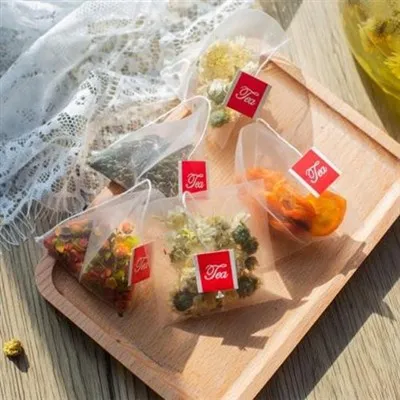
If you’re a café owner looking for bulk tea bags, or a home brewer tired of weird aftertastes from your current bags, we’d love to chat. We’ve got options for every type of tea—black, green, herbal, oolong—all tested for flavor and safety, and we’re happy to work with you to find what fits your needs. No hard sales pitches, just good tea and good advice.
Coffee Bags References
- Food and Drug Administration. (2021). Food Contact Substances: Plastics and Polymers. U.S. Department of Health and Human Services.
- Journal of Food Science. (2018). Effect of Tea Particle Size and Extraction Time on Flavor Compound Release in Black Tea. Vol. 83, No. 5, pp. 1342-1350.
- Tea Association of the USA. (2022). The Complete Guide to Tea Bags and Brewing. Available in print for industry members.
- Environmental Science & Technology. (2020). Microplastic Release from Common Food Packaging Materials During Hot Water Exposure. Vol. 54, No. 12, pp. 7456-7464.
Hangzhou Wish Import & Export Trading Co., Ltd.
As one of the most professional tea bags manufacturers and suppliers in China, we also support customized service. Please feel free to buy cheap tea bags made in China here from our factory. For price consultation, contact us.
Address: Room 418, Yilong Business Building, Shangcheng District, Hangzhou City, Zhejiang Province
E-mail: chris@hzwishpack.com
WebSite: https://www.wish-ecopacky.com/
