If you’ve ever spent a weekend building a backyard shed, assembling raised garden beds, or putting together a small deck with uneven joists and a limited budget, you’ve probably faced that split-second dilemma: should I invest in fancy, custom fasteners, or go with something quick, cheap, and easy enough that I don’t have to order extra parts mid-project? For the better part of a decade, that dilemma has been at the center of why I started my business as a manufacturer of latch-type connection pieces—those small, metal, snap-fit fasteners that clip two beams, planks, or pipes together without nuts, bolts, or a wrench. Over the years, I’ve had countless conversations with small-scale builders: hobbyists, small construction crews, DIY enthusiasts putting up playhouses for their kids, and even neighborhood groups building small community structures. The most common question I get? “Are these latch-type connection pieces actually worth it for small-scale projects, or are they just another fancy gimmick designed for bigger jobs?” Latch-type Connection Piece
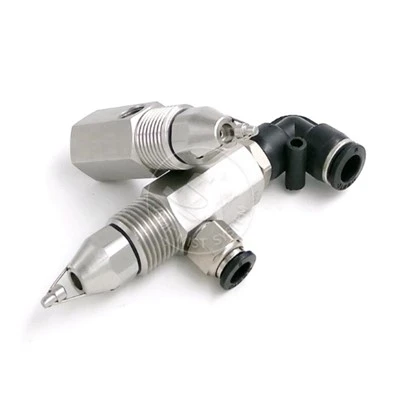
Today, I want to talk through that question, not just from the perspective of a supplier who sells these parts, but from someone who’s seen both the wins and the very real pitfalls that come with using latch connections on projects that don’t have the scale, budget, or on-site engineering support of a commercial build. Let’s start with the basics: what exactly are we talking about when we say “latch-type connection pieces” for small-scale use? They’re typically made from heavy-gauge steel or corrosion-resistant polymer, with a simple hook and slot design that lets you slide two parts together and snap them into place, no tools required. There are variants for every common small build: angle latches for joining a 4×4 post to a deck beam, T-latches for connecting vertical and horizontal framing for a shed wall, and even smaller, lightweight versions for attaching fence slats.
The biggest advantage of these parts for small-scale projects is obvious to anyone who’s ever stayed up past midnight on a Sunday finishing a project: speed and simplicity. A few months back, I got an email from a teacher in Ohio who was building a small outdoor classroom for her elementary school’s third grade. She’d spent three days trying to get regular lag bolts to line up for the classroom’s frame, only to drill a hole too deep on one post and have to drive an hour to a hardware store for a longer bolt. When she tried our T-latches, she told me, she had the entire 10×12 frame together in less than two hours. “My students even helped me snap the pieces in,” she wrote, “something I could never have done with tools that require adult supervision.” That’s not a small win for small-scale projects—most of these builds don’t have a dedicated construction crew, so any step that cuts down on time, or lets non-experts contribute, is a huge deal.
But speed isn’t the only benefit. For small-scale projects, waste is a massive hidden cost. When you’re building a shed or a small deck, it’s common to mismeasure a beam, cut a joist too short, or realize you bought the wrong size fastener. Traditional connections (lag bolts, screws, joist hangers) often require precise cutting and drilling—if you misalign a lag hole, you have to fill it with wood putty or replace the beam, wasting materials that are already a large portion of a small build’s budget. Latch-type connections, on the other hand, are forgiving. Our angle latches, for example, have 1/2 inch of play in their slots, so if a post is cut slightly off-square, you don’t have to sand or plane it down to fit. That flexibility cuts down on material waste, which for a $500 shed build can mean the difference between staying under budget and having to dip into grocery money for extra lumber.
Of course, no product is perfect, and latch-type connections aren’t a one-size-fits-all solution. That’s the part most industry articles skip, but it’s the part that matters most for small-scale builders, who rarely have a structural engineer on call. The biggest limitation of these parts is their load capacity. When we design our latches, we test them to meet ASTM International’s standards for light structural use, but they’re not designed for heavy, long-term load bearing. For a small deck that’s only going to hold patio furniture and two or three people, our standard T-latches can handle more than enough weight—we tested a single 4-inch latch holding over 2000 pounds, more than enough for a residential small build. But if you’re building a deck that will be used as a event space, holding 10 or more people, or a shed that will be storing a full lawnmower, ladders, and garden tools, you might want to pair our latches with a single lag bolt for extra security, or use our heavier-duty commercial-grade line of latches. That’s a key point: latch-type connection pieces work great for small-scale projects, but they’re not a replacement for proper structural planning, just a tool that makes that planning easier.
Another common concern I hear from builders is durability, especially for outdoor projects. “Will these rust?” “Will the plastic ones break in extreme cold?” It’s a valid question. For our steel latch connections, we use a hot-dip galvanized coating that meets the same standards as exterior-grade fasteners, so they won’t rust for at least 20 years, even in humid coastal areas. Our polymer latches are made from UV-stabilized polypropylene, so they won’t crack in temperatures as low as -20 degrees Fahrenheit or as high as 150 degrees, which is perfect for shed walls or fence slats. But I also tell builders: don’t use a $0.10 generic latch off Amazon for a $1000 backyard project. I’ve seen a builder use cheap, untested plastic latches for their playhouse, and they snapped after six months when a kid pulled on the door too hard. Stick to parts that are tested for small-scale structural use, and you won’t have that problem.
Now, let’s talk about a common misconception: that latch-type connections are only for temporary builds, or for people who don’t care about long-term durability. I recently worked with a couple in Vermont who built a small permanent guest cottage, about 120 square feet, using our latches for all the interior framing. They chose our latches because they planned to add on to the cottage in five years, and didn’t want to have to drill hundreds of new holes or replace beams when they expanded. “When we built our last shed 10 years ago, we used bolts and had to redo the entire frame when we tried to add a 6-foot extension,” they told me. “This time, using latches, we can just unclip the walls, add new joists, and snap them back together without tearing apart the whole structure.” That’s a huge benefit for small-scale projects, many of which are not permanent—they’re structures that might be moved, expanded, or modified over time. Traditional fasteners make modification a nightmare; latch-type connections make it simple.
But here’s the part I want to make clear: latch-type connection pieces are not suitable for every small-scale project. If you’re building a structure that will be subjected to repeated heavy impact—like a small skate ramp, or a storage shed that will have heavy equipment dropped on its frame—you might want to use a mix of latches and traditional bolts for extra strength. If you’re building a small bridge over a creek, even a pedestrian one, you should always consult a structural engineer, and our latches can be part of that design, not the entire connection system. For small, static structures that don’t have heavy, repeated loads—sheds, raised garden beds, small decks, playhouses, outdoor classroom frames, fence systems—they’re more than suitable.
I’ve also seen how these parts level the playing field for small-scale builders. A few months ago, I attended a community build in Detroit, where a group of local volunteers built a small park bench for a neighborhood green space. None of the volunteers were professional builders—most were high school students and retirees. With standard screws, they would have spent all day drilling, misaligning holes, and fighting with tools. With our latches, they had the bench assembled in 45 minutes, and it’s still in great shape a year later. That’s the power of these parts: they take the skill and frustration out of small-scale building, so more people can take on projects they care about without having to hire a professional.
At the end of the day, the question of whether latch-type connection pieces are suitable for small-scale projects comes down to three things: the load of your project, the flexibility you need, and your budget. If you want a fast, forgiving, and durable connection that works for most small residential and community projects, yes, they’re ideal. If you need maximum load capacity for a heavy, permanent structure, you can still use them as part of your design, paired with extra fasteners. If you want to save time, reduce waste, and build something that’s easy to modify down the line, latch-type connection pieces are a no-brainer.
I’ve spent years testing these parts, talking to hundreds of builders, and fixing the mistakes that come with using the wrong fastener for the job. The truth is, small-scale projects are the backbone of the construction industry—they’re where people learn to build, create spaces for their families and communities, and save money by doing it themselves. Latch-type connection pieces aren’t a replacement for good planning or quality materials, but they’re a tool that makes the entire process easier, faster, and less stressful.
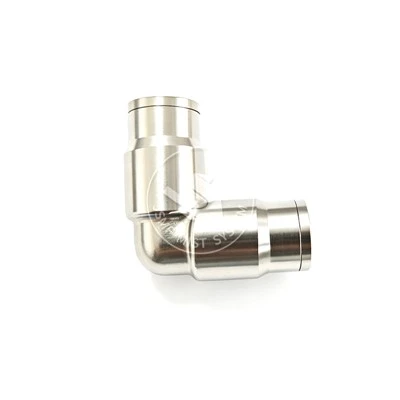
If you’re planning a small-scale project and want to learn more about how our latch-type connection pieces can work for you, or if you’re ready to place an order for your build, feel free to reach out to our team to discuss your specific needs.
References
Pipe Fittings ASTM International. (2022). Standard Specification for Structural Fasteners for Light Residential Construction. ASTM D1761-22.
National Association of Home Builders. (2021). Small-Scale Construction Guide for Residential and Community Projects. NAHB Press.
International Code Council. (2023). Residential Building Code, Chapter 5: Framing and Fasteners. ICC Publications.
Jinsheng Mist Forest-High Pressure Mist System
Jinsheng Mist Forest-High Pressure Mist System is one of the most experienced latch-type connection piece manufacturers and suppliers in China, featured by quality products and low price. Please rest assured to wholesale bulk latch-type connection piece in stock here and get pricelist from our factory. Customized orders are welcome.
Address: 109 Yonghong Road, Wenjiang District, Chengdu City, Sichuan Province, China
E-mail: 18190767523@163.com
WebSite: https://www.jswsmist.com/
