Hey everyone, it’s Mia here, owner of the horse stall panel company you’ve probably seen around the equestrian communities in Ohio and Indiana—you know, the one that answers emails at 9pm after mucking out my own pony’s stall (his name’s Cheddar, by the way, he’s a 12-year-old quarter horse with a weird obsession with chewing rubber boots). Lately I’ve been getting so many messages from barn managers, part-time trainers, and even first-time horse owners asking the same question: “Are plastic horse stall panels actually worth it, or am I wasting my money skipping steel?” I get it—when you’re dropping cash on anything for your horses, you don’t want to pick something that’s gonna crack, warp, or get chewed up in six months. I’ve been selling these panels for 7 years, so I’ve seen every win and every (very rare) mess-up, and today I’m breaking this down like I do when I’m geeking out with my regulars over post-lesson coffee. No stuffy jargon, no fake sales pitches, just real talk based on what I’ve seen. Horse Stall Panels
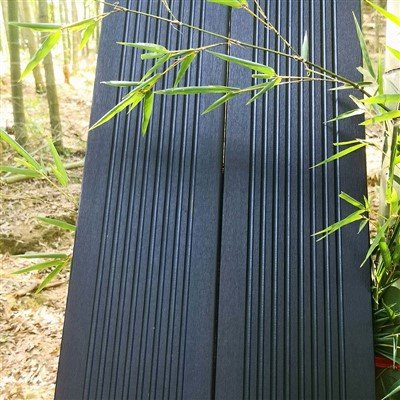
First, let’s get one thing straight: plastic stall panels aren’t the same flimsy plastic you used for your kid’s backyard play set. The stuff we sell here is high-density polyethylene (HDPE), the same material they use for cutting boards, chemical drums, and even playground equipment that’s built to last in rain, snow, and sun. I remember when I first tested these back in 2017—we put a batch out at a small boarding barn in northern Kentucky, where the temps swing from 20 below in January to 90 in July, and none of them warped even a little. Steel panels, by contrast, rust if you don’t keep them perfectly dry (good luck with that in a barn where hoses get dragged around daily) and bend if a really rambunctious foal slams into them. I’ve had customers tell me their steel panels had to be welded twice in a year after a kick, and that’s thousands in repair costs alone.
Now, what about that big “con” everyone brings up: chewing? I get it—horses are chewers. Cheddar still tries to eat my belt every time I turn my back. But here’s the thing: good plastic panels are formulated to be unappetizing to horses. They’re treated with a taste deterrent that’s not harmful (vets recommend it, actually) so even a curious weanling won’t go to town chomping. I had a customer with a chronic chewer named Moose—his old steel panels had scratch marks all up and down, and he’d chew through the wood slats in between if he got bored. We swapped him to our plastic panels two years ago, and he’s only has a tiny, surface mark from a single nip. Compare that to wood, which rots, splinters, and is a total chew magnet if a horse is anxious.
Let’s talk ease of cleaning—this is a game-changer for anyone who mucks stalls on their hands and knees. Plastic panels don’t have crevices where manure gets trapped (unlike steel, which has all those weld lines, or wood, which soaks up moisture and smells like ammonia after a few months). I had a trainer last spring who told me she spent 45 minutes a day scrubbing her steel panels with a wire brush to get rid of the gunk, and with plastic, she just sprays ’em down with a pressure washer and they’re good to go. No more scrubbing under the welds, no more worrying about mold growing in small cracks. That’s extra time you can spend grooming your horse, not fighting grime.
But wait—we can’t ignore the downsides, right? No product is perfect. First, if you get the cheap, no-name plastic panels from a big-box store or random online seller, those are garbage. They’re thin, they get brittle in cold weather (I’ve seen a panel crack in half after a snowstorm in Michigan), and the taste deterrent is basically just apple scent, which some horses love. But the HDPE ones we sell? They’re ¼ inch thick, reinforced with internal ribs, so even a 1,200-pound horse rearing up against them won’t bend them. Another con: some people think they’re more expensive upfront. Let’s do the math, though. A good steel panel is around $120 each, and it needs to be repainted every 2-3 years ($30 per panel each time) and welded if it gets damaged. A plastic panel is $150 upfront, no painting, no welding, no repairs. Over 10 years, that’s a $200 savings per panel. And if you have a horse that chews a lot, wood panels cost even more—you’re replacing them every 1-2 years, which is way more money long-term.
I also hear people say plastic panels aren’t as “strong” as steel, but that’s not true for the right kind. I had a customer with a 1,400-pound stallion that used to ram his old steel panels when he was turned out (don’t ask, he was just excited for grain). He broke two steel panels in a month, so we swapped to our reinforced plastic panels, and a year later, he hasn’t even scratched them. The key is looking for panels that say “UV-stabilized” too—sunlight breaks down plastic over time, but ours have a UV inhibitor so they won’t get brittle or faded even after 5 years outside.
What about different use cases? These panels are great for permanent stalls in barns, obviously, but also for temporary pens, turnout areas, or even trailering—wait, yeah, some people use them for portable stall partitions too, because they’re light. Steel is heavy, so moving it around a barn is a two-person job, but plastic panels are half the weight, so you can rearrange your stalls for a clinic or a new foal without renting a dolly. That’s a huge plus for small barns that don’t have a lot of staff.
I want to be real with you, though—plastic panels aren’t for everyone. If you have a horse that’s prone to extreme pressure like rearing through panels (which is super dangerous, by the way—never let a horse do that), you might still need extra reinforcement. And if you live in an area where you have constant, extremely cold temps (like below 0°F for months straight), you should make sure the panels are formulated for cold climates—we carry cold-resistant ones for that exact reason. But for 90% of horse owners I talk to, they’re the better pick.
At the end of the day, the best panel for your horse is the one that keeps them safe and your budget happy. I’ve seen too many people drop $2,000 on steel panels only to have to fix them a year later, and I’ve seen boarding barns save $10k a year just switching to plastic because they don’t need constant repairs. If you’re tired of scrubbing rust, welding bent metal, or replacing chewed wood, hit me up—we can send you a free sample, no strings attached, so you can feel the thickness and check the taste deterrent yourself. Shoot me a message, and I’ll also send over a few testimonials from folks who’ve made the switch (spoiler: most of them swear by it now).

Don’t get me wrong—steel isn’t bad. It’s just not the best fit for every barn. And wood works if you’re okay with the maintenance. But plastic? It’s a no-fuss option that’s built to handle the daily chaos of horse ownership, which is pretty much all I care about when it comes to equine products. Cheddar approves, and if a pony with a boot-chewing habit approves, it’s probably good enough for your horse too.
Decking Bamboo References
- Equine Guelph. (2021). Stable flooring and enclosure materials: Safety and durability for equine facilities. University of Guelph Department of Animal Science.
- American Association of Equine Practitioners. (2022). Equine stable safety guidelines: Choosing appropriate enclosure materials to reduce injury risk. AAEP Practice Guidelines.
- National Institute of Occupational Safety and Health. (2020). Agricultural worker safety: Reducing physical strain from moving heavy equine barn equipment. CDC NIOSH Publication.
- Plastic Industry Association. (2019). High-density polyethylene (HDPE) applications for agricultural and equine infrastructure. Plastic Market Research Report.
Fujian Jingmingsheng Forestry Technology Co., Ltd.
As one of the most professional horse stall panels manufacturers and suppliers in China, we offer a wide range of products with superior quality. With abundant experience, we warmly welcome you to wholesale bulk horse stall panels in stock here from our factory. Customized orders are welcome.
Address: No. 1, Daban, Fuzhuang, Xiyang Town, Yongan City, Sanming City, Fujian Province
E-mail: 17759790120@163.com
WebSite: https://www.jingangzhu.com/
