Hey everyone, thanks for stopping by my blog. If you’ve been hanging around the steel industry for a minute, you’ve probably heard of Corten steel—you know, that weathering steel everyone uses for outdoor sculptures, bridge railings, and even modern building facades. I’ve been supplying ASTM and ASME grade Corten steel for over 12 years now, and one question I get asked ALL the time is: “Can you galvanize Corten steel?” ASTM/ASME Corten Steel
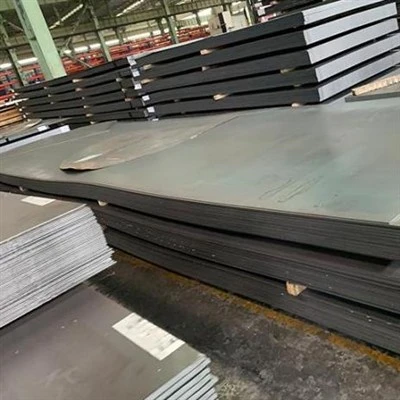
First off, let’s break this down straight. No, you can’t just take a coil or plate of ASTM/ASME Corten steel and throw it into a standard hot-dip galvanizing line and call it a day. But “can it be done?” isn’t a flat no—it’s a “it depends, and you need to do it right if you want it to work.” Let me walk you through why, because this is stuff every architect, fabricator, and buyer needs to know before they even pick up the phone to ask a supplier like me.
First, a quick refresher on Corten steel basics
ASTM A588 and ASME SA588 are the main grades of Corten I supply—they’re the go-to for structural and weathering applications. Unlike regular carbon steel, Corten is formulated with small amounts of copper, chromium, and phosphorus. That’s the secret sauce: when it’s exposed to the elements (rain, humidity, UV light), a thin, tight rust layer forms on the surface. That patina acts as a barrier, slowing down further corrosion so you don’t have to paint it every few years. It’s why that cool weathered look is so popular—no upkeep, just that rich orange-brown finish that ages with time.
Galvanizing, on the other hand, is the process of coating steel with a layer of zinc to prevent rust. Hot-dip galvanizing is the most common: you clean the steel, dip it in a zinc bath around 840°F, and the zinc chemically bonds to the steel surface. That zinc layer is a sacrificial barrier—if the steel ever gets scratched, the zinc corrodes first, protecting the underlying metal.
So why do these two seem like they clash? Let’s get into the chemistry here, because that’s where the confusion hits.
The core issue: Corten’s alloy elements vs. galvanizing chemistry
Corten has those extra alloying elements (copper, mostly) that change how the zinc reacts to the steel surface. When you galvanize regular carbon steel, the zinc and iron mix easily to form that strong zinc-iron alloy layer that makes the coating stick. But with Corten? That copper gets in the way.
Here’s the messy part: when you dip Corten into the hot zinc bath, the copper in the steel dissolves into the zinc. That changes the zinc’s composition, making it thinner and less likely to form a durable, uniform coating. I’ve seen first-hand what happens if you skip the proper prep: the zinc doesn’t bond right, so it chips off easily, leaving the steel exposed to rust. It’s not just a cosmetic issue—if the coating fails, you’re back to square one with Corten’s corrosion resistance, which defeats the whole purpose.
Wait, but “standard” galvanizing doesn’t work—so is there a way to do this? Yeah, but it’s not the same as what you’d do for mild steel. Let’s talk about the workarounds I’ve seen work, because I’ve helped tons of fabricators get this right over the years.
The two viable ways to galvanize Corten steel (safely)
I don’t want to give you half-truths here. If you need galvanized Corten, there are only two methods that actually hold up. Let’s break them down, because your project needs will determine which one you use.
-
Pre-patina Corten, THEN galvanize it (the right way)
This is the most common method I recommend. Here’s the step-by-step: first, you let the Corten develop that stable patina first. How? You can accelerate it with a chemical treatment (we sell a mild activator for this, it’s easy to apply in a shop), or just leave it outdoors for 3-6 months. Once that tight rust layer is there, that copper is locked into the patina instead of being in the raw steel surface. That means when you dip it in zinc, the copper doesn’t mess up the coating.I had a client last year doing a commercial outdoor bench project—they insisted on both the Corten’s weathered look and extra rust protection for a coastal site. We pre-patinated the steel for 4 months, then galvanized it. The result? A uniform zinc layer that stuck for years, no chipping, and the patina still came through—plus the coastal salt air didn’t eat through it. That’s the win.
The catch here: you have to make sure the patina is fully stable. If you galvanize raw Corten, you get that copper interference. If you galvanize before patina, you have to strip the zinc off to let the Corten rust, which is a huge pain and usually ruins the galvanized layer. Don’t do that.
-
Electrogalvanizing (but only for thin materials)
Hot-dip is the standard for structural steel, but electrogalvanizing is different. Instead of dipping in a hot bath, you use an electric current to apply a thin zinc coating at room temperature. This works better with Corten because the reaction is controlled—no hot zinc messing with the alloy elements in the steel. It’s a thinner coating than hot-dip, though, so it’s only good for non-structural stuff: metal art, small decorative parts, or components that won’t take a lot of impact.I don’t push electrogalvanizing for structural projects (like bridge girders or building frames) because it doesn’t have the same heavy-duty corrosion resistance. But if you’re doing a Corten planter for a patio? Electrogalvanizing works perfectly. Just make sure the fabricator knows it’s not for heavy structural use—don’t cut corners here.
What you should never do with galvanizing and Corten
Let’s get the red flags out of the way, because I’ve seen clients waste money on these mistakes. Don’t:
- Skip the pre-patina step and try hot-dipping raw Corten. You’ll end up with a patchy, flaking zinc coating that fails within a year. I’ve had to rework these jobs more times than I can count—avoid the headache.
- Use mechanical zinc plating (another cool-applied method) for structural parts. It’s not bonded properly, so it’ll scratch off the second you handle the steel.
- Forget that galvanizing changes the finish. If you’re after that “raw rust” Corten look, a galvanized coating will dull it a bit—even pre-patina. Some clients love the mixed look (rust plus a subtle gray zinc edge) and that’s fine, but if you want bright orange Corten, this isn’t for you.
Why this matters to your project (and how I help)
I know, this all sounds like extra steps. But here’s the thing: Corten is supposed to save you money long-term by reducing maintenance. If you mess up the galvanizing, you’ll be repainting or replacing parts in 2-3 years instead of 20. As your supplier, I don’t just sell you steel—I give you the real-world tips to make it work for your project.
Last quarter, I worked with a firm building a downtown park. They had big Corten railings, but they wanted to add galvanized hardware to connect the parts (to avoid bolt rust). We ran the bolts through the pre-patina process separately, then galvanized them. No issues, and the railings still have that weathered look they wanted. That’s the kind of detail I bring to the table—not just raw ASTM/ASME Corten plates and coils, but solutions that actually work.
Final thoughts before you reach out
If you’re considering galvanized Corten, start by asking yourself: “What’s this part going to do?” If it’s structural, outdoor, and needs maximum corrosion resistance? Go with pre-patina + hot-dip galvanizing. If it’s decorative, lightweight, and not bearing weight? Electrogalvanizing is your call.
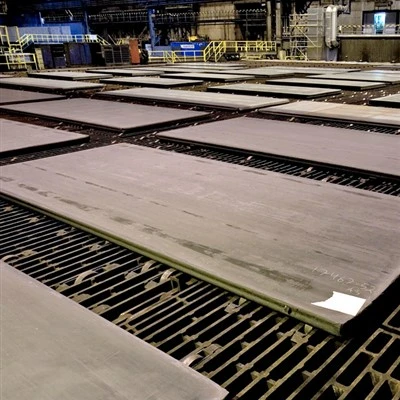
And if you’re not sure? Hit me up. I’ve been in this game long enough to know when a client’s plan is gonna hit a snag before it happens. No jargon, no upselling—just straight answers about ASTM/ASME Corten steel and how to make it work for your project.
Shipbuilding Steel Plate References
- ASTM International. (2023). Standard Specification for High-Strength Low-Alloy Structural Steel, ASTM A588/A588M.
- ASME. (2022). Specification for Pressure Vessel Plates, High-Strength Low-Alloy Steel, ASME SA588.
- Galvanizers Association. (2021). Galvanizing Weathering Steel: Best Practices for Pre-Treatment and Coating Adhesion.
- The Corrosion Society. (2022). Effect of Copper Alloying Elements on Hot-Dip Galvanizing of Low-Alloy Steels.
Gnee Steel (Tianjin) Co., Ltd.
As one of the most professional astm/asme corten steel manufacturers and suppliers in China, we also support customized service with low price. We warmly welcome you to buy high quality astm/asme corten steel in stock here from our factory. If you have any enquiry about free sample, please feel free to email us.
Address: No.4-1114, Beichen Building, Beicang Town, Beichen District, Tianjin, China
E-mail: alloy@gneesteelgroup.com
WebSite: https://www.chinavesselplates.com/
