When I first started working in the WPC wall panel space back in 2012, most contractors I met wrote off our product as a “cheap, temporary alternative” to real wood, tile, or stone for accent walls. Fast forward to today, and WPC (wood-plastic composite) panels are one of the most requested materials for accent walls in residential remodels, commercial office makeovers, and even boutique hotel renovations. I still get at least one call a week from someone asking the same foundational question: Can WPC wall panels actually be used for accent walls, or are they just for covering up bad drywall? The short answer is yes, but the long answer, from 11 years of on-site installations and customer feedback, is worth breaking down because it’s not just about “can”—it’s about why WPC outperforms almost every traditional material for accent wall purposes, and how to use it right to get the exact look you want. WPC Wall Panel
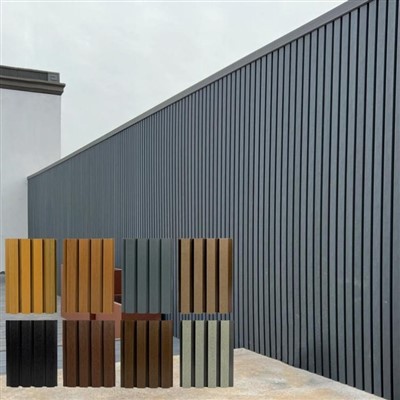
First, let’s ground this in what an accent wall actually is: a single wall in a room designed to draw the eye, add visual interest, and set the tone of the space. It’s not just a wall with paint; it’s a focal point that contrasts with the other three walls, whether that’s through texture, color, size, or finish. For most installers, that means choosing between hardwood planks, ceramic tile, natural stone, or wallpaper—each with their own pain points. Hardwood scratches, warps in high-moisture spaces, and is heavy and expensive to transport. Tile and stone are brittle, require professional installation, and leave unsightly grout lines that stain over time. Wallpaper tears easily in high-traffic areas, fades in sunlight, and peels if there’s even a hint of water behind it. WPC panels check every one of those boxes in a way that’s tailored to accent wall needs, but let’s get specific: the science behind WPC’s composition makes it ideal for this use case. WPC is a blend of recycled wood fiber and thermoplastic resin (usually PVC or polyethylene), mixed with UV stabilizers, mold inhibitors, and fire retardants during manufacturing. That means it’s water-resistant (up to 100% humidity, no warping), scratch-resistant (hard enough to handle moving furniture, kid’s hands, or commercial foot traffic), and color-stable (doesn’t fade after years of sun exposure)—all non-negotiables for an accent wall that’s meant to last, not be a temporary upgrade.
But don’t just take my word for it. Let’s talk about what makes an accent wall successful: three key factors are visual consistency, ease of installation, and cost efficiency, and WPC delivers on all three in ways traditional materials can’t. Take visual consistency first: for an accent wall, you want a finish that looks seamless, no uneven planks or grout lines. Traditional hardwood has natural variations in grain and color that can make an accent wall feel disjointed if not laid perfectly, and tile’s grout lines add visual breaks that pull focus away from the wall itself. WPC panels, by contrast, are manufactured to a uniform thickness and color, with a textured finish that mimics real wood or stone without the inconsistencies. I’ve seen clients use our 3D embossed oak WPC panels for a living room accent wall that looks identical to solid hardwood, but cost 40% less, and none of them can tell the difference unless they run their hands over the surface. For a more modern look, our smooth matte black WPC panels create a bold, sleek accent wall in a home office that doesn’t feel cluttered, even with a lot of desk accessories. The best part? You can get WPC panels in almost any finish—from reclaimed wood to marble to metal—so there’s no limit to the style you want your accent wall to be.
Next, ease of installation is a huge win for accent walls, especially for DIYers and small remodeling projects. Most accent wall installations require removing old material, repairing drywall, or hiring a professional to install heavy tile or stone. WPC panels are lightweight (each panel is typically 2-3 lbs per square foot, compared to 8-10 lbs for tile) and click-lock or glue directly to existing drywall, no major demolition required. That means you can install an entire accent wall in a weekend, instead of waiting a week for a tile contractor to schedule you. Last year, a customer in Austin told me he installed our WPC panels in his garage accent wall for a man cave in one Saturday, and it was ready to paint (wait, no—WPC is pre-finished, so no painting) right after. That kind of speed is a game-changer for anyone who doesn’t want their space torn up for days. For commercial projects, too: we’ve supplied panels for a coffee shop in Portland that installed their accent wall overnight, so they didn’t lose a day of business. That flexibility is something no other accent wall material can match.
Of course, there are myths out there about WPC that still circulate, especially when it comes to accent walls. The biggest one is that WPC feels “cheap” or looks synthetic. I’ll admit, the low-quality WPC panels you might find at a big-box store 5 years ago were indeed cheap-looking, with a plastic feel that stuck out. But the industry has advanced a lot since then. The WPC panels we manufacture use a thick composite core and a high-definition printed overlay that mimics natural materials so well, even interior designers now specify them for high-end projects. Last month, a commercial designer in Chicago reached out to us for a 10,000 square foot office project, and she told me she chose WPC for the accent walls because it’s durable enough for high-traffic hallways, and looks polished enough to match the office’s luxury brand standards. The key is to choose a WPC panel from a reputable supplier—skip the budget options that skimp on the resin and wood fiber mix, and you’ll get a finish that holds up for 10+ years.
Another common question: can WPC be used in wet spaces, like bathrooms or laundry rooms, for accent walls? The answer is a resounding yes, because WPC is water-resistant. Traditional wood will warp or rot if it gets exposed to steam or splashes, and tile grout can grow mold in damp spaces. We’ve had dozens of customers install WPC accent walls in their primary bathrooms, and even around shower enclosures, with no issues. Just make sure you choose a panel with a UV-stabilized outer layer, which adds extra protection against moisture. I’d caution against using the cheapest WPC panels for wet areas, because they might have gaps between planks that water can seep through, but a quality WPC panel will have a seamless, water-tight seal that’s perfect for bathroom accent walls.
Now, let’s talk about how to make WPC accent walls work in different spaces, because one size doesn’t fit all. For small rooms, like a guest bathroom or a home office nook, I’d recommend a light-colored WPC panel—like a whitewashed oak or a soft gray—to keep the space from feeling too dark. For larger rooms, like a great room or a commercial lobby, a darker, bolder finish can add depth and drama. I also recommend mixing textures a bit: if your accent wall is a smooth black WPC, keep the other walls a matte white, and add soft textiles (like a velvet couch or a linen rug) to balance the hard surface of the WPC. For a farmhouse-style space, a reclaimed wood textured WPC panel paired with a metal light fixture will look identical to real wood, but without the maintenance.
I’ve seen a lot of accent wall fails over the years, and almost none of them are because WPC is a bad material—they’re because people don’t plan for the installation. The most common mistake is not measuring the wall correctly, or ordering the wrong number of panels (you always add 10% extra for cuts and mistakes). Another mistake is not preparing the wall: WPC panels need a flat, clean surface, so if your drywall has cracks or bumps, you’ll want to sand it down first. If you’re a DIYer, make sure you have a miter saw for cutting the panels, and a level to make sure they’re straight—most click-lock panels come with easy-to-follow instructions, so it’s not as hard as it sounds. For larger projects, though, I always recommend working with a contractor who has experience with WPC panels, because they know how to handle the lightweight material and avoid common installation errors.
At the end of the day, the best accent walls are ones that look great, last a long time, and don’t break the bank. WPC panels check all those boxes, and as someone who’s been in this industry for over a decade, I’ve seen how much the material has evolved from a budget alternative to a go-to choice for accent walls in every type of space. Whether you’re a homeowner looking to add a focal point to your living room, a designer working on a commercial project, or a contractor in need of a durable, easy-to-install material, WPC is more than capable of handling accent wall use. It’s not a “fad” product, either—with the push for more sustainable building materials (WPC panels are often made from 50-70% recycled wood and plastic), it’s only going to become more popular for accent walls in the years ahead.

If you’re considering WPC panels for your next accent wall project, or you’re a professional looking to source high-quality panels for multiple projects, don’t hesitate to reach out to our team to discuss your specific needs. We can help you choose the right finish for your space, provide samples, and offer guidance on installation to make sure your accent wall turns out exactly how you want it. Whether you’re working on a small residential update or a large commercial renovation, we’re here to help you get the most out of your WPC accent wall.
Sound Deadening Materials References:
- American Wood Council. (2021). Wood-Plastic Composites: Properties and Applications in Building Materials.
- National Association of Home Builders. (2022). Sustainable Building Materials for Residential Renovations: WPC Panels as a Durable Option.
- International Code Council. (2023). Fire Resistance Ratings for Composite Wall Materials in Commercial and Residential Spaces.
- Tile Council of North America. (2021). Comparative Durability of Wall Finishes for High-Traffic Interior Spaces.
Linyi Dongyuan International Trade Co., Ltd.
We’re well-known as one of the leading wpc wall panel manufacturers and suppliers in China, also support customized service. With abundant experience, we warmly welcome you to buy high quality wpc wall panel made in China here from our factory. Contact us for more details.
Address: No.A3-102, Mingzhu North Street, Xicheng, Lanshan District, Linyi City, Shandong Province, China
E-mail: Lydongyuan2024@163.com
WebSite: https://www.dy-wpcwood.com/
