If you’ve ever held a piece of silk velvet in your hands, you know how luxe it feels—like running your fingers over cloud that’s been dyed in rich, deep hues. And if you’re someone who’s ever spilled a glass of wine on a fancy curtain or dragged a velvet scarf through a rain puddle, you’ve probably panicked and wondered: “Can you get silk velvet wet?” I get it, because I’m a silk velvet fabric supplier, and this is one of the most questions I get from both interior designers and indie apparel makers. Let’s cut through the misinformation out there—no stuffy textbook jargon, just the real, practical stuff you need to know. Silk Velvet Faric
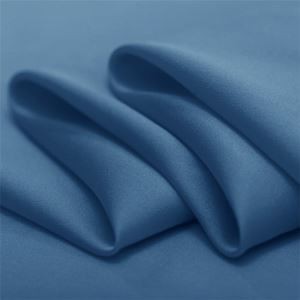
First, let’s break down what silk velvet even is, because that’s the key to answering the wet question. Unlike regular velvet (which is usually cotton or polyester), silk velvet is made from real silk fibers—specifically, the mulberry silkworm’s cocoon fibers. The way it’s woven is super unique: it’s a double-cloth weave, right? Two layers of fabric are woven at the same time, and then a special blade cuts the threads between them to create that soft, fuzzy pile you love. The base fabric (the part that touches the back of a couch, for example) is usually silk too, and the pile is made of the same fine, strong silk threads.
So why does that matter for wetness? Silk, as a fiber, is a protein fiber—think of it like the hair on your head, or wool. That means it absorbs moisture in a way that synthetic fibers (like polyester) don’t. Polyester beads water right off, but silk soaks it up. But wait, that doesn’t mean silk velvet is ruined the second it touches water. Let’s be clear: we’re not talking about submerging it in a bathtub, here. We’re talking about accidental spills, light rain, or a quick splash—stuff that happens in real life.
Let’s start with the bad news first, because no one likes surprises. If silk velvet gets saturated—like, totally soaked through—two things can go wrong, and one is actually permanent. First, the pile can flatten. Silk velvet’s softness comes from those upright pile threads, right? If they get weighed down by too much water, they can stick together instead of staying fluffed up. You might end up with a matted, dull spot that looks nothing like the original luxe fabric. Second, the dye can run. A lot of vintage or lower-quality silk velvet uses dyes that aren’t colorfast, so if you spill water (or wine, or coffee) on it, the dye might bleed and stain other parts of the fabric, or even your clothes if you’re wearing a silk velvet jacket.
But here’s the good news that most people don’t know: small, accidental wet spots are totally fixable. I’ve had customers bring in silk velvet curtains that got splashed during a cleaning mishap, or a silk velvet scarf that got caught in a drizzle, and I’ve walked them through simple steps to save it. The key is to act fast, and to avoid wringing or rubbing the fabric—those are the two worst things you can do.
Let’s walk through what to do if you spill something on your silk velvet, step by step. First, grab a clean, lint-free cloth (a microfiber towel works great, or even a plain white cotton t-shirt—no colored fabrics, because you don’t want to transfer dye) and blot the spill immediately. Don’t rub! Rubbing will push the liquid deeper into the pile and flatten those soft threads. Press the cloth gently onto the wet spot, and lift it up when it’s absorbed. Do this a few times, using a dry part of the cloth each time, until no more liquid comes off.
Next, you need to dry it without stretching or flattening the pile. Lay the fabric flat on a dry, absorbent towel—again, white, lint-free—and gently reshape the wet spot back to its original form. If it’s a small area, you can even prop it up on a few small blocks so the wet part hangs slightly, which helps gravity pull the moisture out without weighing down the pile. Then, take another dry towel and place it lightly over the wet area—don’t press hard. Leave it to air dry in a cool, dry place away from direct sunlight or a heat source (like a space heater or hair dryer). Heat is the enemy here—high temperatures can shrink silk, fade dye, and even make the pile stiff.
Once it’s almost dry, you can fluff the pile back up. Wait until it’s just a little damp, not totally dry, and use a soft-bristled brush (like a clothes brush for delicate fabrics, or even a clean toothbrush with soft bristles) to gently brush the pile in the direction it naturally grows. This will bring those upright threads back to life, so the velvet looks soft again instead of matted.
Now, what about if it’s a little more than a spill—like you’re out for a walk and a light drizzle hits your silk velvet bag? Same rules apply, but you might want to give it a little extra fluff once you get home. Avoid leaving it crumpled in a bag while it’s damp, because that will make the pile stick. If it’s a heavier drizzle, you might have a slightly damp spot, but as long as you blot and dry it right away, it won’t ruin the fabric.
Wait, but what about water-based vs. oil-based spills? That’s another common question. Water spills (like soda, water, or rain) are easier to fix than oil-based ones (like wine, oil, or makeup). For oil spills on silk velvet, you’ll need to use a little cornstarch or talcum powder. Sprinkle a tiny amount on the oil spot, let it sit for 15-20 minutes to absorb the oil, then brush it off gently with a soft brush. Blot the area with a dry cloth, and repeat if needed. Again, no rubbing!
Now, let’s talk about how to care for silk velvet to avoid wet damage in the first place, because prevention is way easier than fixing a spill. If you’re using silk velvet for upholstery (like a couch or headboard), you can get a fabric protector specifically designed for silk or delicate fabrics. I always recommend that to my interior designer customers—just make sure you test it on a small, hidden spot first, because some protectors can change the look of the fabric or make it feel stiff. For apparel, like a silk velvet dress or scarf, hand-washing is usually the way to go if it gets really dirty. Use a gentle, pH-neutral soap (like a silk-specific detergent, or even a tiny bit of dish soap that’s free of fragrances or dyes) and cold water. Never machine wash silk velvet—the agitation will flatten the pile and possibly damage the threads. If you do hand-wash, don’t wring it out—press out the extra water between two towels, then lay it flat to dry.
I should also mention that not all silk velvet is the same, which is why some people say “my silk velvet got wet and ruined” while others say “mine was totally fine.” There’s high-end silk velvet (which is what I supply as a silk velvet fabric supplier) that uses premium mulberry silk and colorfast dyes, and then there’s cheaper velvet that might be a blend of silk and lower-quality fibers, or has dyes that bleed easily. Cheaper silk velvet might not handle wetness as well because the threads are thinner or the dye isn’t set properly. That’s why investing in a quality silk velvet is worth it—you’ll have a fabric that looks great and holds up to small accidents without falling apart.
Let’s clear up another myth: some people think silk velvet is only for dry environments, like a formal living room that never gets spilled on. That’s not true! I have customers who use silk velvet for kitchen curtains, outdoor patio cushions (with a protective cover, of course), and even kids’ clothing—because with the right care, it’s durable enough for everyday use. It’s just about treating it gently, which makes sense for a fabric that’s this luxe.
Another thing to consider: silk is actually pretty strong, especially when it’s wet. Wait, did you know that silk is stronger when it’s damp than when it’s dry? That’s a fun fact most people don’t know. The protein fibers in silk become more flexible when wet, so they’re less likely to tear or snap if you handle them gently. That’s a good thing if you spill something—you don’t have to worry about the fabric breaking if you blot it carefully. The only time silk gets weak is if you pull or rub it while it’s wet, which is why we stress no rubbing.
Now, I know a lot of people are curious about whether you can dry clean silk velvet. Dry cleaning is an option, but make sure you tell the dry cleaner it’s silk velvet, because regular dry cleaning chemicals can damage the silk fibers or flatten the pile. Some dry cleaners specialize in delicate fabrics, and they’ll use a gentle process that’s safe for silk velvet. If you’re nervous about washing it at all, professional dry cleaning is a good choice, but it’s a bit more expensive than hand-washing.
Let’s address a specific scenario that comes up a lot: silk velvet curtains. If your curtains are made of silk velvet, and you have a steam cleaner to get rid of wrinkles, is that okay? Steam can be a little tricky, because too much steam can make the dye run or flatten the pile. But if you hold the steam cleaner at least 6-8 inches away from the fabric, and only use a small amount of steam, it’s safe. After steaming, you can fluff the pile with a soft brush once it’s dry. Just don’t press the steam too close, and avoid steaming right on the same spot too many times.
So, to circle back to the original question: Can you get silk velvet wet? The short answer is yes—but it depends on how you handle it. Small, accidental wet spots are totally fixable, and with proper care, even light rain or a small spill won’t ruin your silk velvet. The only time you should worry is if the fabric gets totally saturated and you rub or wring it, which can flatten the pile and cause dye bleeding.
As a silk velvet fabric supplier, I work with designers, seamstresses, and homeowners all the time, and I’ve seen firsthand that silk velvet is one of the most versatile, beautiful fabrics out there—if you treat it right. It’s not a fragile, delicate fabric that you have to lock away in a closet; it’s meant to be used, loved, and even a little bit lived in. The key is to act fast when it gets wet, avoid the common mistakes (rubbing, wringing, heat), and give it a little fluff once it’s dry.

If you’re thinking about incorporating silk velvet into your next project—whether it’s a couch, a wedding dress, a set of pillows, or something entirely custom—don’t let the fear of water hold you back. It’s a timeless fabric that adds so much warmth and luxury to any space or design, and with the right care, it will last for years. We supply high-quality, colorfast silk velvet in a range of colors and weights, perfect for all kinds of projects, and I’m happy to walk you through the best ways to care for it if you have questions. Feel free to reach out to us to talk through your project needs or get more tips on working with silk velvet—we’re here to help you make the most of this incredible fabric.
Silk Lurex Fabric References
- Textile Institute. (2019). Properties of Silk Fibers and Silk Blends. Journal of Textile Science and Sustainability.
- International Silk Association. (2021). Care and Maintenance of Silk Textiles for Home and Apparel Use.
- Fabric & Finishes Research Council. (2020). Effect of Moisture on Pile Fabrics: Velvet and Plush. Textile Care Journal.
Hangzhou Xinhe Textiles Co., Ltd.
Hangzhou Xinhe Textiles Co., Ltd. is well-known as one of the leading silk velvet faric manufacturers and suppliers in China. Welcome to wholesale high quality silk velvet faric made in China here from our factory. For custom service, contact us now.
Address: Room 313, Building 30, Juxing Mansion, Gongshu District, Hangzhou 310022
E-mail: info@xhfabrics.com
WebSite: https://www.hzsilkfabric.com/
