Hey everyone, and thanks for stopping by! If you’ve ever stared at a messy toolbox, a drafty window, or wondered how construction teams keep parts lined up without a ton of messy glue, you’ve probably glimpsed acrylic sealing tape in action—even if you didn’t notice it. I’m not here to bore you with stuffy specs or jargon, though; let’s cut to the chase: what is acrylic sealing tape actually used for? And more importantly, why should you care, whether you’re a weekend DIYer, a small construction crew, or someone who’s just tired of fixing the same annoying problem over and over? Sealing Tape
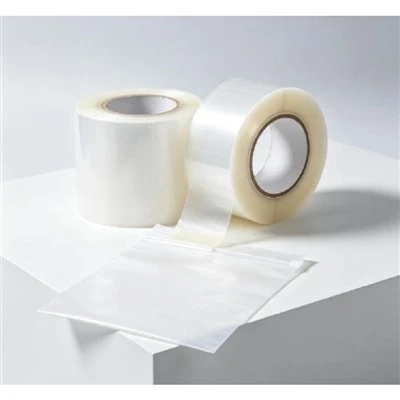
First, let’s get the basics straight, no fancy science degree required. Acrylic sealing tape is different from that flimsy, stretchy vinyl tape you wrap around a pipe for a quick fix. It’s made with a synthetic acrylic adhesive core, a durable polyethylene or polypropylene backer, and it’s built to stick to almost anything, even when things get wild—think extreme temperatures, rain, direct sunlight, or years of sitting in a garage. I’ve been selling sealing tapes for over 8 years now, and the number one question I get from customers is: “Is this just another tape, or does it actually do the job when I need it?” The answer for acrylic sealing tape is the latter, and here’s exactly where it shines.
Let’s start with the most common use people ask about: construction and building renovations. If you’ve ever had a drafty window or a door that lets cold air slip in, you know how annoying that is—and how much it kills your heating bill in winter. Acrylic sealing tape fixes that fast. Unlike old-fashioned caulk, which cracks and peels after a few years (especially if your house shifts a little with temperature changes), acrylic sealing tape is flexible. It moves with the window or door frame, so it won’t split open after a season of hot summers and freezing winters. I had a customer last year who was renovating a 1950s bungalow—he tried caulk on all his windows, but every spring it would crack. He switched to our acrylic sealing tape and texted me a month later saying his energy bill was $45 lower that month, and he hadn’t noticed a draft once. It also works for sealing gaps in siding, attic vents, and even around AC units. The waterproof version won’t let water seep in behind your siding, which saves you from costly water damage down the line—something every homeowner can get behind.
Next up: automotive and marine work. This is where acrylic sealing tape really proves its toughness. I’ve worked with small auto body shops and a few boat repair guys, and they swear by this stuff for things like attaching side mirrors, mounting trim pieces, or sealing gaps around truck bed liners. Think about it: a truck bed slams over potholes all day, a boat hits waves that rock it back and forth, and standard double-sided tape would fall off in no time. Acrylic sealing tape? It holds up to vibration, constant movement, and exposure to road grime or saltwater. One auto shop owner told me he used to use bolts to mount trim on pickup trucks, but the bolts would rust and leave little holes that looked messy. Now he uses acrylic sealing tape, and the trim stays on for years, no rust, no extra holes. For boats, it’s great for sealing hatches too—no more leaky storage compartments when you’re out on the lake, and it doesn’t break down from sun or salt like other adhesives do.
If you’re a small business owner or someone who does a lot of packing and shipping, acrylic sealing tape has your back too. Wait, I know what you’re thinking: “I use regular packing tape for shipping—why would I switch?” Because regular packing tape gets brittle when it’s cold, or it tears if you have a heavy box. Acrylic shipping sealing tape is designed for heavy loads. It’s thicker, has a stronger adhesive that sticks to cardboard, plastic, and even corrugated fiberboard that’s a little worn out. I had a customer who ran an online small appliance shop—they used to get so many returns because boxes would open during shipping, and parts would fall out. After switching to our acrylic sealing tape, their return rate for damaged goods dropped by 70% in three months. It’s also great for sealing industrial containers, drums, and even warehouse pallets—you can stack heavy pallets of goods, and the tape won’t come loose mid-transit. No more lost inventory, no more messy cleanups.
Now, let’s talk about something a lot of people don’t think about: DIY home projects and small repairs around the house. I’m a big fan of DIY, so I love when customers come to me with random projects they want to tackle. Acrylic sealing tape is perfect for things like attaching shelf brackets to tile or drywall—no messy drilling or mortar required. Or if you’re fixing a loose gutter, instead of climbing up on the roof with a bucket of messy sealant, you can just cut a strip of acrylic sealing tape, press it to the gap, and done. It’s also great for sealing gaps around pipes under the sink to prevent small leaks, or even attaching weatherstripping to closet doors to keep cold air out. And unlike some other tapes, it doesn’t leave a sticky residue when you take it off—just make sure you clean the surface first, and it peels away clean without damaging paint or wood. That’s a big win for renters, right? You don’t want to mess up the walls when you move out.
Wait, but let’s address the elephant in the room: is acrylic sealing tape only for big projects? Nope. It’s also used in things like electronics manufacturing, signage, and even agriculture. For electronics, it’s used to seal components to keep dust and moisture out—super important for things like outdoor security cameras that get rained on. For signage, it mounts big outdoor signs to storefronts without leaving holes in the brick or wood, and it holds up to wind and sun. In agriculture, farmers use it to seal tarp on grain bins or trailers to protect crops from rain, and it works even in dusty, dirty farm conditions where other tapes would get covered and stop sticking. I had a farmer customer last year who told me he saved hundreds of dollars using our acrylic sealing tape to fix a hole in his grain bin instead of replacing the whole bin. That’s the kind of practical use that makes acrylic sealing tape so underrated.
Now, let’s get real about what makes acrylic sealing tape different from other tapes. I’ve seen so many tapes on the market that promise “heavy duty” or “waterproof,” but fizzle out after a few weeks. Acrylic sealing tape’s secret is that adhesive. It’s not that rubber-based adhesive that gets sticky in heat and falls off in cold—acrylic adhesive is stable across a huge temperature range, from -40°F all the way up to 200°F. That means it works in Alaska and Arizona, no problem. It also has high shear strength, so when you put something heavy on it, it doesn’t slowly slide down over time. A lot of double-sided tapes will hold a frame for a week, then slowly slip until it’s crooked, but acrylic sealing tape holds that frame solidly for years.
Another thing I love about acrylic sealing tape is that it’s versatile for different surfaces. It sticks to metal, wood, plastic, glass, tile, drywall, concrete—you name it. The only thing it doesn’t stick well to is really oily or dusty surfaces, but that’s true for any adhesive. If you clean the surface with a little rubbing alcohol before applying, it sticks like crazy. I always tell customers that prep is key—wipe down the area you’re taping, let it dry, and press firmly for at least 30 seconds. That’s how you get the best bond, no matter what you’re using it for.
Now, who should actually use acrylic sealing tape? Let’s break it down: if you’re a homeowner tired of drafty windows and cracked caulk, yes. If you’re a small business owner shipping heavy goods and tired of broken boxes, yes. If you’re an auto or marine repair tech needing a reliable adhesive that holds up to vibration, yes. If you’re a DIYer tackling any project that needs a strong, long-lasting seal instead of a quick fix, yes. It’s not the right choice for every single job—for example, if you’re taping something that will be in direct contact with food, you’ll want food-grade acrylic sealing tape (we have that too, just ask), and for super high-temperature industrial jobs, we have heat-resistant variants—but for 90% of general sealing and bonding needs, it’s way better than most other tapes on the market.
I’ve been in this sealing tape game long enough to see customers come in for a one-off roll and end up stocking up because they keep finding new uses for it. Last month, a customer who came in for a roll to fix his camper’s window ended up buying three more rolls: one for his gate, one for his toolbox, and one for his friend’s boat. That’s the thing about acrylic sealing tape—it solves so many small, annoying problems that people just put up with until they try this stuff.
If you’ve been dealing with drafty windows that drive up your energy bill, broken shipping boxes that cause headaches, or repairs that only last a few months, it’s time to give acrylic sealing tape a shot. We’ve got all different widths and thicknesses for every job—whether you need a tiny 1-inch roll for a small repair or a 6-inch roll for big construction projects. We also offer custom sizes if you need something specific for your business or project.
If you’re ready to stop wasting time and money on tapes that don’t work, reach out to us anytime. We’re here to help you pick the right acrylic sealing tape for your exact needs, answer any questions you have, and make sure you get the right product for the job. No sales pitch, no confusing jargon—just straight talk from people who know tapes, because we use them too.
Front-Opening Luggage So next time you’re staring at a project that needs a strong, reliable seal, skip the flimsy tape and the messy caulk. Grab acrylic sealing tape—it’s the unsung hero of so many repairs and projects, and it’ll save you time, money, and frustration in the long run.
References
- American Society for Testing and Materials (ASTM) D3359, Standard Test Methods for Measuring Adhesion by Tape Test
- Construction Sealants and Adhesives Industry Association (CSAIA), 2022 Report on Building Envelope Sealing Solutions
- Marine Retailers Association of America (MRAA), 2021 Guide to Adhesive Products for Boat Maintenance and Repair
- Packaging Association, 2023 Data on Reducing Shipping Damage with Heavy-Duty Sealing Tapes
Zhejiang Zhuolv New Materials Co., Ltd.
Zhejiang Zhuolv New Materials Co., Ltd. is one of the most professional sealing tape manufacturers and suppliers in China, featured by quality products and good price. Please rest assured to wholesale advanced sealing tape in stock here and get quotation from our factory. Customized orders are welcome.
Address: NO.28 INDUSTRIAL AVENUE WEISHAN TOWN JINHUA CITY , ZHEJIANG PROVINCE ,CHINA
E-mail: zvsmk5134@163.com
WebSite: https://www.zvsmk.com/
