If you’re a shop owner, engineer, or someone who’s been sourcing forged parts for projects like heavy machinery, construction equipment, or custom fabrication, you’ve probably wondered at some point: can forged parts even be welded? Let me cut to the chase here—this isn’t a simple yes or no, and as a guy who’s been supplying forged parts for over a decade, I see this question come up all the time from clients who need to repair a damaged forged bracket, or join two forged components to build a custom assembly. It’s one of those topics that gets muddled by old myths and half-truths, so I wanted to break it down straight, no jargon, no fluff. Forged Parts
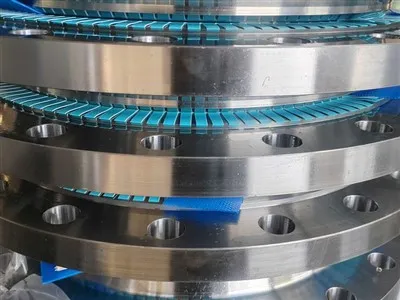
First, let’s start with what makes forged parts different from other types of metal parts. Forging works by heating metal (usually steel, aluminum, brass, or even titanium) to a malleable temperature, then shaping it with a hammer or press. That process crushes and aligns the metal’s grain structure, making it way stronger, more durable, and resistant to stress than parts that are just cut from a solid block (bar stock) or cast by pouring molten metal into a mold. So when you’re welding a forged part, you’re not just joining two pieces of metal—you’re working with a metal that has a specific grain structure that’s been optimized for toughness. That’s both a plus and a thing you have to account for.
Let’s get into the good news first: most forged parts can absolutely be welded. It’s not a rare thing at all. I’ve supplied forged steel clevises for a construction company that welds them onto custom crane arms, forged aluminum brackets for a race team that joins them to roll cage components, and even forged stainless steel fittings for a food processing plant that welds them into pipeline systems. All of those are perfectly doable, as long as you do it right. The key here is matching the right welding method, filler metal, and pre- and post-weld steps to the type of forged metal you’re working with.
Wait, but why do some people say “don’t weld forged parts”? That’s the myth I mentioned earlier. The problem almost never is that the forge itself can’t be welded—it’s that people mess up the process. Forging can leave residual stress in the metal. If you don’t prepare the part properly before welding, or skip the post-weld heat treatment, that residual stress can cause cracks, especially in high-strength forged steels. Cast parts are way more porous and prone to defects that can get worse when welding, so that’s probably where the bad advice came from—people confused cast and forged parts.
Let’s go through common forged metal types and how welding works for each, because that’s what actually matters. First up: carbon steel forgings. This is the most common type we supply, used for everything from axles to brackets. Most carbon steel forgings (low to medium carbon, up to around 0.30% carbon) are super weldable. We’ve had clients weld these with MIG, TIG, even stick welding for outdoor jobs, and as long as you clean the weld area (no rust, oil, or mill scale—super important, mill scale will mess up the weld), pick the right filler (usually matching the part’s carbon content, like E70S-6 for mild steel), and do a preheat if you’re working with thicker parts (anything over ½ inch), it holds up great. Thicker carbon steel forgings might need a post-weld heat treatment to relieve residual stress, which just means heating the whole welded area slowly to a set temp and letting it cool down—prevents cracks from forming over time, especially in parts that will take heavy loads.
Next: high-strength alloy steel forgings. These are the ones used for heavy equipment, gears, or parts that have to handle extreme pressure or impact, like our forged connecting rods for off-road trucks. This is where you have to be a lot more careful. These parts have a higher alloy content (chromium, molybdenum, nickel) and are often heat-treated (quenched and tempered) to get that strength. Welding these can mess with that heat treatment—if you heat them up too fast during welding, the heat can change the microstructure, making the weld area harder and more brittle, or softer than it should be. The fix here is specific: use a filler metal made for high-strength alloys, preheat the whole part evenly, and almost always do a post-weld heat treatment to restore the original strength. A lot of guys skip that last step to save time, and then the part cracks 6 months later out in the field—we see that all the time, and it’s avoidable.
Then there’s aluminum and non-ferrous forgings. We supply a lot of forged aluminum parts for aerospace, automotive, and marine jobs. Aluminum forgings have a fine, uniform grain structure, so they’re actually pretty weldable too—way more so than cast aluminum. The big catch with aluminum is that it oxidizes super fast, so you have to clean the weld area really well (remove all the oxide layer with a wire brush or chemical cleaner) and use TIG or MIG welding designed for aluminum. We had a client last year welding two forged aluminum brackets for a boat trailer; he tried to use regular steel filler, and the weld corroded in salt water within a month. Lesson learned: always match the filler to the base metal, no exceptions.
Now, what about when welding a forged part is a bad idea? There are only a couple of edge cases, in my experience. First, if the forged part has already been heat-treated to an extreme hardness (like tool steel forgings, which are super hard and brittle). Welding these will create a heat-affected zone that’s way too brittle, and cracks are almost guaranteed—unless you’re a certified specialist doing preheat and post-weld treatment that’s way more involved than most people can do in a shop. Second, if the forged part has a lot of hidden defects, like internal voids that you can’t see. Forging is pretty reliable, but sometimes a bad batch slips through, and welding around a void will just make the problem worse. That’s why we always inspect our forged parts before shipping, so you don’t run into that issue.
Let me also talk about why sourcing a reputable forged parts supplier matters here. If you’re working with a sketchy supplier, your forged parts might not actually be properly forged—they could be mislabeled bar stock or cheap cast parts passed off as forged. I’ve had a few clients come to us with parts from another vendor that said “forged steel” but welded way worse, because they were actually cut from rolled steel with a weak grain structure. When you work with a supplier that knows their stuff, they can tell you exactly what metal their parts are made of, what their recommended welding specs are, and even offer pre-weld testing if you need it.
A lot of small fabricators or hobbyists ask me if they can just patch a damaged forged part instead of buying a new one. The short answer is: sometimes, but only if it’s a low-stress area. Welding a crack in a forged bracket that’s holding up a garden gate? That’s totally fine. Welding a crack in a forged axle for a semi-truck? That’s a bad call, even if it works for a little while. For parts that take heavy, repeated loads, welding is never a long-term fix—replace the forged part, because the integrity of the weld can’t match the original forged structure, no matter how good your welding is.
Here’s a real example from last quarter: one of our clients runs a company that builds custom farm equipment. They had a forged steel lift arm that cracked at a weld point, and they tried to fix it with their in-house welding, skipping the preheat step. It failed 3 weeks later during harvest, cost them thousands in downtime. We supplied a new forged lift arm, sent over our welding guidelines, and now they come to us first when they need any forged parts that will be welded on-site. That’s the kind of thing that makes all the difference—following the right steps isn’t just a suggestion, it’s critical for safety and durability.
So to wrap this up: yes, forged parts can be welded, 9 times out of 10 it’s totally doable, but it’s not a one-size-fits-all process. The biggest mistakes people make are ignoring the metal type, skipping pre- or post-weld heat treatment, using the wrong filler, or cutting corners on prep work. If you’re not sure about a specific part, hit up a supplier who knows forged parts (that’s us!) and ask for their guidelines—we’re happy to walk you through it, no sales pitch attached, just real advice from someone who’s been in the game for years.
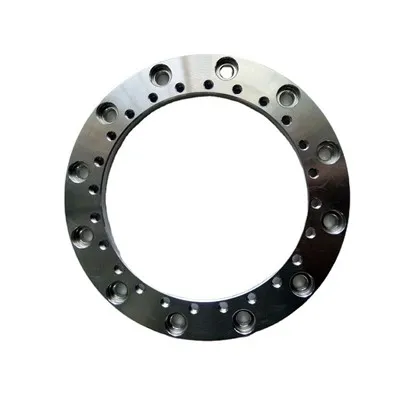
If you’re working on a project that needs forged parts, whether you’re looking to weld them later or just need a reliable component for your build, reach out to us to discuss your needs. We’ve got a range of steel, aluminum, and alloy forged parts, and we can help you pick the right ones for your application, plus share our welding best practices to make sure your project goes smoothly.
Pipe Fittings References
- Metals Handbook, Volume 6: Welding, Brazing, and Soldering, ASM International, 2010.
- Forging: Fundamentals and Applications, T.V. Rajan, C.P. Rao, and M. Gowri Shankar, Woodhead Publishing, 2013.
- American Welding Society (AWS) D1.1: Structural Welding Code – Steel, AWS, 2020.
Shanxi Xinshunda Flange Manufacturing Co., Ltd.
As one of the most professional forged parts manufacturers and suppliers in China, we also support customized service with competitive price. We warmly welcome you to wholesale high quality forged parts for sale here from our factory. For quotation, contact us now.
Address: Zhunagli Industrial Zone,jinchang Town,dingxiang,shanxi,china
E-mail: sales01@xinflange.com
WebSite: https://www.xinflange.com/
