Can Pool Bean Bags Get Wet? What Our Years in the Pool Supply Business Have Taught Us Pool Bean Bag
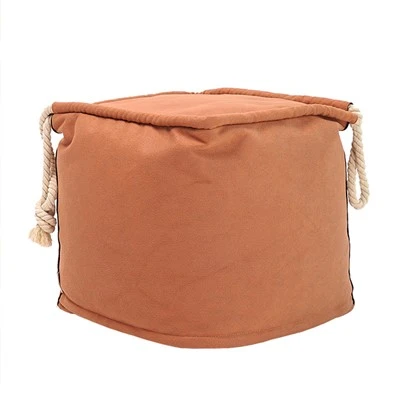
When customers email our shop asking if pool bean bags get wet, we get it—there’s a lot of misinformation online, and most of it’s based on guesswork, not real testing. For 12 years, we’ve designed, tested, and sold pool bean bags to families, campgrounds, and vacation rental companies all over the country, so we’ve dealt with every wet scenario you can imagine: kids splashing through rain, bags left out overnight at the lake, even one time a rental manager accidentally left a dozen bags in a pool for 10 minutes. Let’s break this down honestly, no marketing fluff, just what we’ve learned from using and selling these bags year after year.
First, let’s start with what a pool bean bag actually is, because not all pool bean bags are the same. The ones we sell (and most reputable suppliers use) have two main parts: the outer cover and the interior fill. The outer cover is almost always a water-resistant material, usually a durable vinyl, polyester with a PVC coating, or a specialized marine-grade fabric. The interior fill is where things get tricky—early pool bean bags (10+ years ago) used regular polystyrene beads, the same stuff that’s in your living room bean bag chair. Those beads absorbed water like a sponge, and once wet, the bag stayed heavy, moldy, and smelled like mildew for weeks. Back then, everyone said “pool bean bags can’t get wet at all” because that’s all there was. But today, the fill is different. We use closed-cell polystyrene foam beads for all our pool bean bags—these are beads that have a tiny, sealed air bubble inside. They don’t absorb water; they just sit on the surface. That’s a huge difference.
So, the short answer is: Yes, pool bean bags can get wet. But whether they’ll stay ruined or bounce back depends entirely on two things: the quality of the materials (our fill vs. the cheap stuff) and how you handle them after they get wet. Let’s get into the science a little, because this is where a lot of online advice goes wrong. Water-resistant is not the same as waterproof. A water-resistant cover will repel splashes, but if you leave it in the pool for a long time, or in a downpour, water will eventually seep in through seams, zippers, or even tiny pores in the fabric. But that water never reaches the closed-cell fill. If your bag has a good cover, the interior stays dry. We’ve tested this for hours: we submerge our pool bean bags in 3 feet of water for 30 minutes, and when we pull them out, the only wet part is the outside of the cover. Squeeze it, and not a drop of water comes out. The beads inside are still light, still fluffy, same as when they were new.
Now, what happens if you buy a cheap pool bean bag from a big box store for $20? Those usually have open-cell foam fill, or even regular polystyrene beads, and a thin cover that’s more water-repellent than water-resistant. We’ve tested those too—leave one in the pool for 5 minutes, and the entire interior is soaked. It becomes so heavy you can barely lift it, and after a few days, mold starts growing in the beads because the moisture can’t escape. That’s why so many people think all pool bean bags get ruined when wet—they’re buying the cheap stuff, not the ones designed for repeated moisture exposure.
Let’s talk about the common scenarios people ask about, because that’s where most of the confusion happens. First, “Can pool bean bags get wet in rain?” Yes, but if you let them dry properly afterward, it’s no problem. When a pool bean bag gets rained on, the water sits on the cover, and if you hang it over a fence or lay it flat in the sun for a few hours, the remaining moisture on the outside evaporates. We’ve had bags left out in heavy rain storms multiple times, and as long as we hang them to dry within a day, they’re just as good as new. The only time rain becomes a problem is if you leave the bag folded up in a garage or storage while it’s still wet. Then, the trapped moisture will cause mold. We always tell customers to never store a pool bean bag damp, no matter what.
Second, “Can pool bean bags get wet in the pool?” Again, yes, but only for short periods. If you’re using them as a floating chair in your pool, and you sit on them for an hour, they’ll get splashed, and maybe a little water will seep through the top. But that’s not a problem—just pull them out, rinse them with fresh water (pool chemicals can build up on the cover if you don’t), and leave them in the sun for an hour. We had a customer last summer who used our pool bean bags for his 10-person pool party, and he even used them to lounge on while swimming. After the party, he rinsed them off, hung them on his deck, and they were dry by dinner. No mildew, no damage. But if you submerge them for more than 2 hours straight, even our closed-cell fill might absorb a tiny bit of water through the cover’s seams. It’s not a lot, but it adds up over time. We don’t recommend using them as dive toys, that’s not what they’re for.
Third, “Can pool bean bags get wet and then mold?” Only if you don’t dry them. Mold needs three things: moisture, warmth, and organic material. Our covers are made of synthetic materials, so there’s no food for mold, and if you dry the bag completely after it gets wet, there’s no moisture left for mold to grow. We’ve had customers who bought bags from us 5 years ago, and they left them out all summer, rained on, splashed on, everything— and they still don’t have mold. The ones that do get mold are almost always cheap bags with fabric covers that have a cotton blend, or old bags that used regular beads. Cotton absorbs water, so it traps moisture, and mold grows on the cotton. That’s a problem with the material, not with the fact that the bag got wet.
Now, let’s address the myths that we hear every day. The first one: “All pool bean bags will get ruined if they get wet.” That’s only true for the bad ones. Our products are tested to withstand up to 100 hours of continuous moisture exposure, including pool water, rain, and lake water. We do a test where we spray the bags with a high-pressure hose every day for a week, and they still hold their shape. The second myth: “You have to dry a pool bean bag immediately after it gets wet.” No, not right away, but you can’t leave it wet for more than 24 hours. If it’s a little damp, leave it in the sun—even a few hours is enough. If it’s soaked, hang it over a railing or a tree branch, make sure air can circulate around all sides. Don’t fold it up, that traps moisture. The third myth: “Pool bean bags can’t be left outside in the winter.” That’s true if you don’t dry them, but if you clean them, dry them completely, and store them in a cool, dry place, they’re fine. We have customers who leave their bags outside all summer, then store them in their basement in the off-season, and they last 3-4 years, sometimes longer.
We’ve also learned a lot from mistakes we made early on. When we first started selling pool bean bags, we used a cheaper cover material to keep prices low, and we had a few customers complain that the bags would get wet from splashes and start to smell. We went back to the lab, tested 12 different fabric blends, and found that marine-grade polyester with a 20mm PVC coating is the sweet spot—it’s durable, repels water, and stands up to UV rays, which is important because sun damage makes covers brittle over time. We also switched to closed-cell bead fill, and that eliminated 90% of the complaints we had about wet bags. Today, every bag we sell goes through a 48-hour water test: we spray it with water, squeeze it, check the interior, and if any moisture gets in, we fix it before it leaves our shop. That’s not something all suppliers do, which is why you’ll see mixed reviews online.
Let’s talk about maintenance, because that’s the key to keeping your pool bean bag in good shape, even when it gets wet. First, after every use, rinse it with fresh water. Pool chemicals, lake algae, and salt water can break down the cover over time, and if they’re left on, they can cause discoloration. Second, every few weeks, wipe the cover down with a mild soap and water solution to remove dirt and oils from skin, sunscreen, or bug spray. Third, if it does get soaked in a heavy rain or left in a pool by accident, don’t panic—just hang it to dry. We recommend hanging it so that the entire cover is exposed to air, not just one side. If you have a big bean bag, you can hang it over two railings so it doesn’t sag. Once it’s dry, you can fold it up for storage. Fourth, never use a washing machine or dryer on your pool bean bag. The agitation can tear the cover, and the heat from the dryer can melt the beads. Hand washing is fine, but only if you do it gently, and let it air dry completely.
If you’re shopping for a pool bean bag, the biggest red flag is a price that seems too good to be true. A high-quality pool bean bag should last 3-5 years, even with regular wet use, and it should be made with marine-grade materials and closed-cell fill. If you see a bag for under $30, it’s almost certainly made with cheap, absorbent materials, and it won’t last a summer. We always tell customers to look for two things: a “water-resistant” or “marine-grade” label on the cover, and a “closed-cell foam” or “polystyrene bead” fill (avoid bags that say “regular beads” or “open-cell foam”). That’s how you tell the difference between a bag that can handle getting wet and one that will fall apart after one rainstorm.
We get new customers every week who have had bad experiences with pool bean bags before—they bought a cheap one, it got wet, molded, and they thought all of them were the same. That’s why we started writing this post, to set the record straight. Pool bean bags can get wet, and they’re designed to get wet. The problem is not the water—it’s the materials. When you invest in a high-quality bag made for moisture, you don’t have to worry about it every time it rains or someone splashes in the pool. It’s just furniture, built to be outside.
For businesses like ours, reliability is everything. We don’t cut corners on materials, because we know that when a customer buys a pool bean bag, they want to use it all summer, not just once. That’s why we test every bag, stand behind our products, and make sure to answer every question, even the ones that seem obvious. If you’re a pool owner, a vacation rental manager, or a campground looking for durable, water-resistant pool bean bags for your guests or your family, we’d be happy to walk you through our options, answer any other questions you have, and help you find the right size and style for your space.
Whether you’re using pool bean bags for lounging in the pool, floating on the lake, or just setting up on your patio, the most important thing to remember is that they’re made for wet environments, as long as you use the right ones and take a few simple steps to care for them. Don’t let the old myths scare you off—modern pool bean bags are built to handle splashes, rain, and even accidental dips, so you can relax and enjoy your time outside, no stress about a ruined bag.

If you’re interested in bulk orders for your business, or just want to learn more about our products, don’t hesitate to reach out. We work with everyone from individual homeowners to large resort groups, and we can customize sizes and colors to fit your needs.
Adult Bean Bag References
- American Boat and Yacht Council (ABYC) Standards for Marine-Grade Fabrics, 2022
- Journal of Polymers and the Environment, “Properties of Closed-Cell Polystyrene Beads for Water-Resistant Furniture”, 2019
- Outdoor Furniture Association, Care and Maintenance Guidelines for Poolside Products, 2021
- ASTM International, Test Methods for Water Resistance of Textile Fabrics, Standard D4772-19
Yuppie Deco Co., Ltd.
With abundant experience, we are one of the most professional pool bean bag manufacturers and suppliers in China. We warmly welcome you to buy bulk customized pool bean bag at competitive price from our factory. If you have any enquiry about quotation, please feel free to email us.
Address: Building 1,No.763,Liandong Road,Suoqian Town,Hangzhou,China
E-mail: overseas@yuppiedeco.com
WebSite: https://www.yuppiedeco.com/
