If you’ve been flying FPV drones for even a few months, you’ve probably been there: you head out to the field, charged your brand-new FPV LiPo battery the night before, strapped it to your quad, and by the time you pull your drone out of the launch position, the voltage alarm is blaring. Your flight time is half of what it should be, and you’re left wondering—why is my FPV LiPo battery dying so fast? As someone who’s been in the FPV battery game for years, both as a hobbyist and now as a supplier who works with pilots every day, I see this question at least a dozen times a week. It’s not just about a “bad battery” most of the time; it’s a mix of user habits, technical nuances of how LiPo batteries work, and even environmental factors that catch even experienced pilots off guard. Let’s break this down, no jargon overload, just real talk about what’s draining your battery faster than it should. FPV Drone Lipo Battery
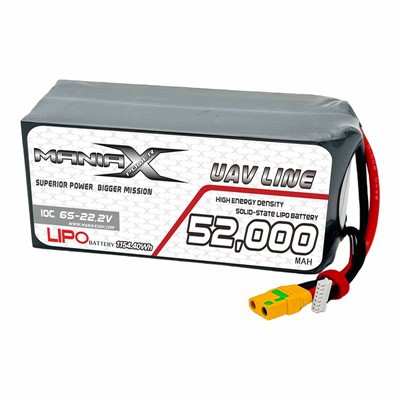
First, let’s start with the basics: what makes an FPV LiPo battery unique? Unlike the AA or AAA batteries in your TV remote, LiPo (Lithium Polymer) batteries are designed for high discharge rates. FPV quads, especially 5-inch rigs that are the most common for racing and freestyle, can draw 50A, 60A, even 80A during hard acceleration or sharp maneuvers. That’s way more than a typical consumer battery, so FPV LiPos are built with thinner, more conductive leads and higher-density cells to handle those bursts. But that same design makes them way more sensitive to how you use, charge, and store them. A mistake here won’t just shorten their lifespan—it’ll make them die mid-flight, fast.
One of the biggest culprits I see is improper charging. Pilots often rush this step, and it’s a huge drain on LiPo health. Let’s be clear: you can’t charge a LiPo the same way you charge a phone battery. First, using a bad charger is a quick way to kill your pack. A lot of budget chargers on Amazon are generic and don’t have the specific settings for LiPo batteries—they’ll charge too fast, overvoltage individual cells, or fail to balance the pack properly. Unbalanced cells are a silent killer. If one cell in your 4S pack is at 4.2V and another is at 4.1V when you start flying, the weaker cell will hit its minimum voltage threshold way before the others, triggering the low-voltage alarm even if the rest of the pack still has charge. That makes it feel like the battery is dying fast, but really it’s just unbalanced.
Then there’s charging too quickly. I know it’s tempting—you want to get one more flight in before sunset, so you crank the charge rate to 5C or 10C. But for most FPV LiPos, the recommended charge rate is 1C to 2C. Charging at higher rates generates extra heat inside the cells, which breaks down the lithium polymer layers over time. Each time you do that, the internal resistance of the battery goes up. Higher internal resistance means the battery has to work harder to deliver power, so more energy is lost as heat instead of going to your motors. That translates directly to shorter flight times. I’ve had a pilot come to me last month with a brand-new 4S 1500mAh pack that only flew 2 minutes, and he’d been charging it at 8C. We tested it, and the internal resistance was three times what it should be for a new pack—no wonder it died so fast.
Next up: your flying style. FPV is all about fast maneuvers, high-speed dives, and hard bursts of power, but that kind of flying is a LiPo’s worst enemy if you’re pushing it nonstop. A lot of new pilots think their battery is defective when they can only get 2 minutes on a 5-inch quad, but that’s actually normal for aggressive flying. The average 5-inch freestyle quad can draw 30A to 40A when you’re doing loops, rolls, and hovering, but if you’re racing or pulling hard every second, that draw jumps to 50A+. LiPo batteries have a discharge curve: they hold a steady voltage until they’re around 80% charged, then drop off faster as they get closer to empty. If you’re constantly pulling high current, you hit that voltage drop much sooner. It’s not the battery dying fast—it’s you drawing power faster than it can be delivered efficiently.
Wait, there’s also the thing about cell count and capacity mismatches. A lot of pilots mix and match packs, or use a capacity that’s too small for their flying. If you’re running a 5-inch quad that’s meant for 4S packs, and you’re using a 3S pack by accident, you’re putting way more stress on the motors and the battery. The same goes for a 1000mAh pack on a quad that’s designed for 1500mAh—you’re draining the smaller pack in half the time, and it’s being pushed beyond its discharge rating, which kills it faster. I see this all the time with new pilots who buy a cheap “universal” pack and don’t check the specs for their quad. That’s not a bad battery—that’s a bad match.
Environmental factors are another piece of the puzzle. LiPo batteries hate extreme temperatures, both hot and cold. If you’re flying in 90°F (32°C) heat, the extra heat breaks down the cell chemistry, increasing internal resistance and making the battery lose charge faster. I’ve had pilots complain their batteries die 30% faster in summer, and sure enough, they’re leaving their packs in their car trunk before flying, where temperatures can hit 120°F (49°C). Cold is even worse. If you’re flying in 40°F (4°C) weather, the lithium ions move much slower inside the cells, so the battery can’t deliver power as efficiently. That means your voltage drops fast, and your flight time is cut in half—even on a brand-new pack. I learned this the hard way flying in Colorado last winter; I thought my packs were defective until I started preheating them with a battery wrap 10 minutes before takeoff, and my flight time jumped back up.
Storage is a mistake a lot of pilots make between flights. If you’re not going to use your LiPo for a week or more, you can’t just leave it fully charged or fully discharged. LiPo batteries slowly self-discharge over time, and leaving them at 100% charge for weeks will permanently damage the cells. That’s called “voltage depression,” and it makes the battery hold less charge forever. On the flip side, leaving them at 0% charge for too long can cause the cells to die from voltage starvation. The sweet spot for long-term storage is around 3.8V per cell, which is what most chargers have a “storage mode” for. I had a pilot bring in a pack that was only a month old but died so fast he couldn’t make it 1 minute; he’d left it at 4.2V for two weeks after a big race, and the cells had lost almost 20% of their capacity. That’s avoidable with a simple step most people skip.
Then there’s wear and tear over time. No LiPo lasts forever. Even if you do everything right, a quality FPV LiPo will give you 150 to 200 charge cycles before its capacity drops to 80% of its original rating. When that happens, it feels like it’s dying fast, because it just can’t hold as much charge or deliver power as well. A lot of pilots don’t track their cycles, so they think a 6-month-old pack is still new, when it’s already past its prime. Cheap LiPos, meanwhile, might only last 50 to 100 cycles, because their cells are lower quality to begin with. That’s why choosing the right battery matters so much—you get what you pay for, and a cheap pack will die fast no matter how you treat it.
Wait, let’s not forget about physical damage. LiPo cells have thin plastic casings, and a small puncture from a crash or a sharp rock can break the seal, let moisture in, or cause internal short circuits. Even if the puncture isn’t visible, it can degrade the cell from the inside, making it lose capacity quickly. I once got a pack back from a pilot who had a minor crash on his first flight; he said the battery died 2 minutes faster every flight after that, and testing showed the cell had a hidden internal short that was draining charge even when it wasn’t in use. That’s not a battery defect—it’s a crash damage issue.
Now, I know what you’re thinking: “Okay, so I’m doing all these things wrong—what can I do to fix this?” First, start with charging. Invest in a good LiPo charger that has balance mode, and stick to charging at 1C to 2C. Avoid fast charges unless you’re in a pinch, and never charge a damaged or swollen pack. Second, match your pack to your quad: use the right cell count and capacity for your rig, and make sure the pack’s discharge rate is at least 2C higher than your quad’s maximum draw. For example, if your quad draws 50A at peak, get a pack that can do 55A or more. Third, watch your flying style. If you’re getting 2 minutes of flight time on a 5-inch quad, that’s normal for hard freestyle or racing—if you want longer flight time, try a higher capacity pack (like 1800mAh instead of 1500mAh) for smoother, less aggressive flights. Fourth, take care of the environment: don’t leave your packs in hot cars or cold garages, and preheat them in cold weather, cool them down in hot weather. Fifth, store them properly: use storage mode if you’re not flying for more than a week, and track your charge cycles so you know when it’s time to retire your old packs.
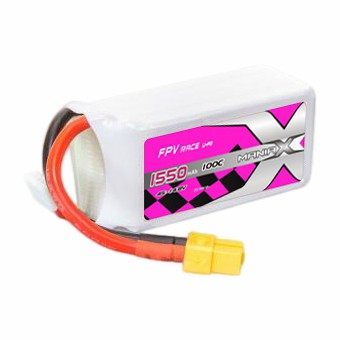
As a FPV LiPo battery supplier, I see every type of pilot mistake, and I also build our packs to handle these nuances. Our cells are tested for low internal resistance and balanced at the factory, so you don’t have to worry about bad factory settings. But even with the best packs, your habits make all the difference. A lot of pilots come to me saying their battery is dying fast, and after a quick chat, it turns out they’ve been charging too fast, storing it wrong, or pushing a pack beyond its rating. That’s the stuff that causes premature death, not the battery itself.
RC Racing Car Battery If you’re still struggling with flight time, or you’re not sure which pack is right for your quad, I’d love to help. We build FPV LiPos for every rig, from tiny 2-inch whoops to 7-inch long-range quadcopters, and we test every pack to make sure it holds up to real flying conditions. Whether you’re a racer, freestyle pilot, or just getting started, we can help you find the right pack, and answer any questions you have about charging, storage, or flight time. Reach out to our team to talk through your needs, and we’ll make sure you get a pack that works for you, so you can spend more time flying and less time dealing with dead batteries mid-flight.
References
- "Lithium-Ion Battery Degradation Mechanisms and Mitigation Strategies," Journal of The Electrochemical Society, 2021.
- "FPV Drone Power Systems: Design Considerations for High Discharge Applications," Unmanned Systems Research Journal, 2022.
- "Best Practices for LiPo Battery Charging and Storage," Academy of Model Aeronautics Safety Manual, 2023.
- "Effect of Operating Temperature on LiPo Battery Performance in Small UAS," International Journal of Aerospace Engineering, 2020.
ManiaX Power Technology Co., Ltd.
ManiaX Power Technology Co., Ltd. is one of the most reliable fpv drone lipo battery manufacturers and suppliers in China, also supports customized service. Please feel free to wholesale bulk durable fpv drone lipo battery made in China here from our factory.
Address: Room 1508, 15/F, Two Grand tower, 625 Nathan Road, Kowloon, HongKong. P.R. China
E-mail: info@maniax-power.com
WebSite: https://www.maniaxpower.com/
