As a supplier of embossing rollers, I’ve been constantly asked by numerous customers whether an embossing roller can be used on wood panels. This question is not only relevant to our products but also to the application scope of embossing technology in the woodworking industry. In this blog, I’ll delve into this topic, exploring the feasibility, advantages, limitations, and considerations of using embossing rollers on wood panels. Embossing Roller
Feasibility of Using Embossing Rollers on Wood Panels
The short answer is yes, an embossing roller can be used on wood panels. Embossing is a process that involves creating raised or depressed patterns on a surface. Wood panels, with their relatively smooth and flat nature, are suitable substrates for embossing. The key lies in the type of embossing roller and the wood panel material.
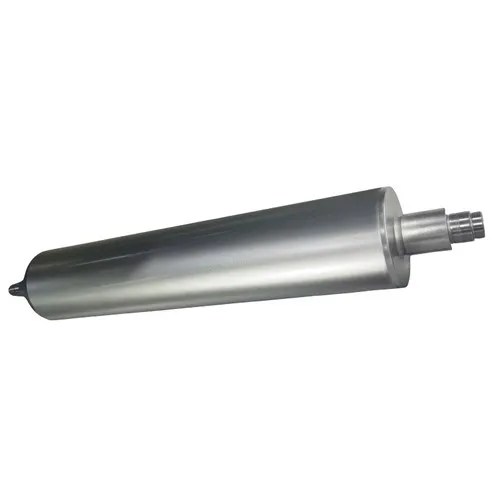
There are different types of embossing rollers, including steel, rubber, and silicone. Steel embossing rollers are known for their durability and high precision. They can withstand high pressure and are ideal for creating detailed and long – lasting patterns on wood panels. Rubber and silicone embossing rollers, on the other hand, are more flexible and can conform to the surface of the wood panel better, which is beneficial for achieving a more uniform embossing effect, especially on uneven or slightly curved wood surfaces.
Wood panels come in various types, such as plywood, particleboard, and MDF (Medium – Density Fiberboard). Each type has its own characteristics that can affect the embossing process. Plywood, for example, has a layered structure, and the embossing may need to be adjusted to account for the different grain directions and densities of the layers. Particleboard is made of wood particles and a binder, and its surface is relatively porous. This porosity can influence the embossing quality, as the embossing roller may not create a smooth pattern if the particles are not well – compacted. MDF, with its uniform density and smooth surface, is generally considered an excellent material for embossing.
Advantages of Using Embossing Rollers on Wood Panels
Aesthetic Enhancement
One of the most significant advantages is the aesthetic enhancement of wood panels. Embossing can create a wide range of patterns, from simple geometric designs to intricate natural textures such as wood grain, leather, or stone. These patterns can add a touch of luxury and uniqueness to the wood panels, making them more appealing for use in furniture, interior decoration, and architectural applications. For example, a wood panel with an embossed leather texture can be used to create high – end furniture pieces that mimic the look and feel of real leather at a lower cost.
Increased Value
The aesthetic improvement also translates into increased value for the wood panels. Embossed wood panels can command a higher price in the market compared to plain wood panels. This is because they offer a more premium and customized look, which is highly sought after by consumers. In the furniture industry, for instance, manufacturers can use embossed wood panels to differentiate their products from competitors and target the high – end market segment.
Surface Protection
Embossing can also provide a certain degree of surface protection for wood panels. The raised patterns can act as a barrier against scratches and abrasions, especially in high – traffic areas. Additionally, the embossing process can sometimes seal the surface of the wood panel, reducing its susceptibility to moisture and other environmental factors.
Limitations of Using Embossing Rollers on Wood Panels
Material Compatibility
As mentioned earlier, different types of wood panels have different characteristics, and not all of them may be suitable for embossing. Some wood panels may have a low density or a weak structure, which can cause the embossed pattern to be easily damaged or distorted. For example, if the wood panel is too soft, the embossing roller may sink too deeply into the surface, resulting in an uneven or over – embossed pattern.
Equipment and Process Requirements
Using an embossing roller on wood panels requires specific equipment and a well – controlled process. The embossing machine needs to be properly calibrated to ensure the right pressure, temperature, and speed. If these parameters are not set correctly, the embossing quality may be compromised. For example, if the pressure is too high, it can damage the wood panel, while if the pressure is too low, the pattern may not be clearly visible.
Cost
The cost of using embossing rollers on wood panels can be relatively high. This includes the cost of the embossing roller itself, the embossing machine, and the energy required for the embossing process. Additionally, if there are any issues with the embossing quality, there may be additional costs for re – work or waste disposal.
Considerations When Using Embossing Rollers on Wood Panels
Wood Panel Preparation
Before embossing, the wood panel needs to be properly prepared. This includes sanding the surface to make it smooth and removing any dust or debris. The moisture content of the wood panel also needs to be within a certain range. If the wood panel is too dry, it may be brittle and prone to cracking during embossing. If it is too wet, the embossing pattern may not set properly.
Roller Selection
Choosing the right embossing roller is crucial. As mentioned earlier, different types of rollers have different properties. The size, pattern, and hardness of the roller need to be selected based on the specific requirements of the wood panel and the desired embossing effect. For example, if a fine – detailed pattern is required, a steel embossing roller with a high – precision engraving may be the best choice.
Process Optimization
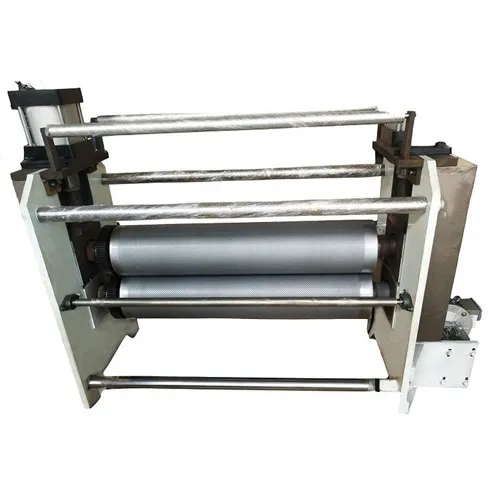
The embossing process needs to be optimized to achieve the best results. This includes adjusting the pressure, temperature, and speed of the embossing machine. It is also important to conduct test runs on a small sample of the wood panel before embossing the entire batch. This can help to identify any potential issues and make necessary adjustments.
Conclusion
Chrome Anilox Roller In conclusion, an embossing roller can indeed be used on wood panels, offering numerous advantages such as aesthetic enhancement, increased value, and surface protection. However, there are also limitations and considerations that need to be taken into account, including material compatibility, equipment and process requirements, and cost. As a supplier of embossing rollers, we are committed to providing high – quality products and technical support to our customers. If you are interested in using embossing rollers on wood panels for your projects, we would be more than happy to discuss your specific needs and provide you with the best solutions. Please feel free to contact us for further information and to start a procurement negotiation.
References
- "Woodworking Technology: Principles and Practices" by Bruce Hoadley
- "Embossing Technology Handbook" by an industry – specific research group
- Various industry reports on wood panel embossing applications
Kunshan Hanhan Co., Ltd.
We’re well-known as one of the leading embossing roller manufacturers and suppliers in China. We warmly welcome you to buy high quality embossing roller made in China here from our factory. If you have any enquiry about cooperation, please feel free to email us.
Address: No. 1093, B Zone, No. 2 Xugongqiao Rd, Huaqiao Town, Kunshan City, Suzhou, Jiangsu, China
E-mail: info@kshhroller.com
WebSite: https://www.kshh-roller.com/
