Connecting PERT (Polyethylene Raised Temperature) fittings to stainless – steel pipes is a common and important task in various plumbing and piping systems. As a PERT Fittings supplier, I have extensive experience and knowledge about this process. In this blog, I will share some practical advice and detailed steps on how to achieve a successful connection between PERT fittings and stainless – steel pipes. PERT Fittings
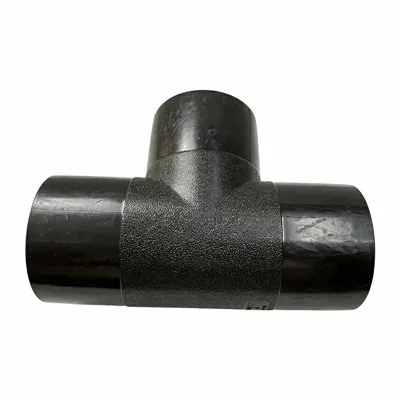
Understanding the Basics of PERT Fittings and Stainless – Steel Pipes
Before starting the connection process, it is essential to understand the properties of both PERT fittings and stainless – steel pipes. PERT is a type of high – performance polyethylene material that has excellent flexibility, heat resistance, and chemical resistance. It is widely used in hot and cold water supply systems, floor heating systems, and other applications. Stainless – steel pipes, on the other hand, are known for their high strength, corrosion resistance, and long service life. They are commonly used in industrial, commercial, and residential piping systems.
Selection of Appropriate PERT Fittings and Stainless – Steel Pipes
The first step in connecting PERT fittings to stainless – steel pipes is to select the appropriate products. When choosing PERT fittings, consider the following factors:
- Size and Shape: Ensure that the PERT fittings have the correct size and shape to match the stainless – steel pipes. The most common connection methods require a proper diameter match to ensure a tight and leak – free connection.
- Pressure Rating: Check the pressure rating of the PERT fittings. It should be compatible with the working pressure of the piping system to avoid any potential failures.
- Quality and Certification: Choose PERT fittings from a reliable supplier. Look for products that meet relevant industry standards and certifications, such as ISO standards, to ensure their quality and performance.
For stainless – steel pipes, also pay attention to the following aspects:
- Grade and Thickness: Different grades of stainless steel have different corrosion resistance and mechanical properties. Select the appropriate grade based on the application environment. Also, consider the wall thickness of the pipes, which affects their strength and durability.
- End Preparation: The ends of the stainless – steel pipes should be properly prepared before connection. This may involve cutting the pipes to the correct length and deburring the ends to ensure a smooth surface for connection.
Connection Methods
There are several methods to connect PERT fittings to stainless – steel pipes. Here are some of the most common ones:
Compression Fittings
Compression fittings are a popular choice for connecting PERT fittings to stainless – steel pipes. The following are the steps to use compression fittings:
- Prepare the Pipes and Fittings: Cut the stainless – steel pipe to the appropriate length and deburr the end. Clean the pipe and the inside of the PERT fitting to remove any dirt, debris, or oil.
- Assemble the Compression Fitting: Slide the compression nut and the compression ring onto the stainless – steel pipe. Insert the pipe into the PERT fitting until it reaches the stop.
- Tighten the Compression Nut: Use a suitable wrench to tighten the compression nut. Tighten it gradually, applying even pressure. Do not over – tighten, as this may damage the pipe or the fitting. A general rule of thumb is to tighten the nut by hand until it is snug, and then use the wrench to turn it an additional 1/4 to 1/2 turn.
Threaded Connections
Threaded connections are also commonly used. Here’s how to make a threaded connection:
- Thread the Stainless – Steel Pipe: Use a pipe threading machine or a hand – held threading tool to cut threads on the end of the stainless – steel pipe. Make sure the threads are clean, smooth, and of the correct pitch.
- Apply Thread Sealant: Apply a suitable thread sealant, such as Teflon tape or pipe dope, to the threads of the stainless – steel pipe. This helps to prevent leaks and provides a better seal.
- Screw the PERT Fitting onto the Pipe: Carefully screw the PERT fitting onto the threaded end of the stainless – steel pipe. Use a wrench to tighten the fitting, but be careful not to overtighten, which could cause the threads to strip.
Welding or Brazing (Indirect)
In some cases, an indirect approach can be used. For example, you can use a transition piece made of a material that is compatible with both stainless steel and PERT. This transition piece can be welded or brazed to the stainless – steel pipe, and then the PERT fitting can be connected to the transition piece using one of the methods mentioned above.
Quality Control and Inspection
After connecting the PERT fittings to the stainless – steel pipes, it is crucial to perform a quality control and inspection. Here are some steps to follow:
- Visual Inspection: Check the connection visually to ensure that the pipes and fittings are properly aligned and that there are no visible signs of damage, such as cracks or dents.
- Pressure Testing: Conduct a pressure test on the piping system. Slowly increase the pressure to the working pressure of the system and hold it for a certain period, usually 10 – 30 minutes. Check for any leaks at the connection points. If there are any leaks, identify the source and make the necessary repairs.
- Function Testing: If possible, perform a function test of the entire piping system. This may involve running water through the system to check for proper flow and functionality.
Troubleshooting
Even with careful installation, problems may still occur. Here are some common issues and their solutions:
- Leaks: If there are leaks at the connection points, first check if the connection is loose. If so, tighten the fitting or nut as appropriate. If the leak persists, it may be due to a damaged seal or a misaligned connection. In this case, disassemble the connection, replace the damaged parts, and reinstall them correctly.
- Blockages: Blockages can occur if there is debris or foreign matter in the pipes or fittings. To clear a blockage, first shut off the water supply. Then, try to flush the system with water to remove the blockage. If this does not work, you may need to disassemble the relevant parts of the piping system to remove the blockage manually.
Why Choose Our PERT Fittings
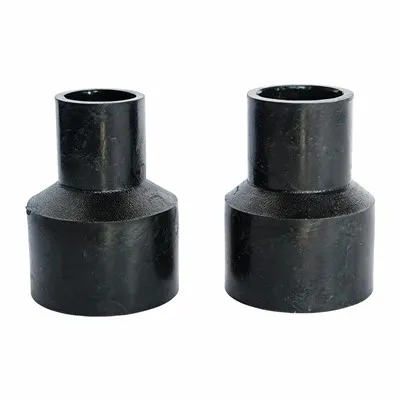
As a PERT Fittings supplier, we offer high – quality products that are designed to meet the needs of various applications. Our PERT fittings are made from premium materials and are manufactured using advanced production techniques. They have the following advantages:
- Excellent Compatibility: Our PERT fittings are highly compatible with stainless – steel pipes, ensuring a reliable and long – lasting connection.
- Wide Range of Options: We offer a wide range of PERT fittings in different sizes, shapes, and configurations to meet the diverse needs of our customers.
- Strict Quality Control: We have a strict quality control system in place to ensure that every PERT fitting meets the highest quality standards. This gives our customers peace of mind when using our products.
Butt Fusion Drainage Fittings If you are in need of PERT fittings for your projects or are interested in learning more about connecting PERT fittings to stainless – steel pipes, we would be delighted to assist you. Our team of experts is always ready to provide you with professional advice and support. Whether you are a contractor, a plumber, or a project manager, we can offer you the best solutions for your piping needs. Please feel free to contact us to start a procurement negotiation. We look forward to working with you and helping you achieve a successful piping project.
References
- ASME B31.9: Building Services Piping Code.
- ASTM D3309: Standard Specification for Polyethylene (PE) Plastic Pipe (DR – PR) Based on Controlled Outside Diameter.
- ISO 15875: Plastics piping systems for hot and cold water installations – Polyethylene (PE – RT) – Specifications for components and the system.
Qingdao Polyfusion Machinery Co., Ltd.
As one of the most professional PERT fittings manufacturers and suppliers in China, we have world-leading production equipment and strong manufacturing capabilities. Please feel free to buy bulk high quality PERT fittings from our factory.
Address: Chengyang Industry Zone, Chengyang, Qingdao, Shandong, China
E-mail: export01@qdpolyfusion.com
WebSite: https://www.polyfusionfittings.com/
