Can I install a ‘Fit for BMW’ part myself?
As a supplier of ‘Fit for BMW’ parts, I often get asked by car enthusiasts and BMW owners whether they can install these parts themselves. The answer isn’t a straightforward yes or no; it depends on several factors, which I’ll dive into in this blog. Fit for BMW
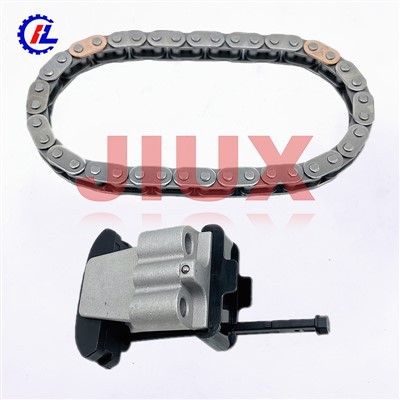
Let’s start with the appeal of self – installation. One of the most obvious reasons people want to install parts on their BMWs themselves is cost – saving. Professional installation can be quite pricey, as labor charges add up quickly. By doing it yourself, you can avoid these additional costs and use the money for other upgrades or maintenance. There’s also a sense of accomplishment that comes with successfully installing a part on your own. It gives you a deeper understanding of your vehicle and can be a really rewarding experience. You can take your time, work at your own pace, and fully engage with the process.
However, the complexity of ‘Fit for BMW’ parts varies greatly, and this plays a huge role in determining whether a self – install is feasible. Some parts are relatively simple to install. For example, air filters are often straightforward. In many BMW models, you can access the air filter housing with basic tools. All you usually need to do is open the housing, remove the old filter, and insert the new one. The same goes for windshield wipers. Changing them is a breeze; you just need to detach the old blades and attach the new ‘Fit for BMW’ wipers. These simple parts don’t require any special knowledge of the vehicle’s mechanical systems, and most people can carry out the installation with the help of a YouTube video or the instructions provided with the part.
On the other hand, there are parts that are significantly more complex. Take the BMW engine control unit (ECU), for instance. The ECU is the brain of the vehicle, controlling various engine functions such as fuel injection, ignition timing, and emission control. Installing a new ECU isn’t just about plugging it in. It requires a deep understanding of the vehicle’s electrical system, and in many cases, the new ECU needs to be programmed to match your car’s specific settings. Any mistakes during the installation or programming can lead to serious engine problems, poor performance, or even damage to the ECU itself.
Another complex part is the suspension system. Upgrading or replacing suspension components like shock absorbers or control arms can be a challenging task. You need to lift the vehicle safely, use specialized tools to remove and install the parts, and also ensure proper alignment afterward. Incorrect installation of suspension parts can affect the vehicle’s handling, tire wear, and overall safety on the road.
To determine if you’re capable of self – installing a ‘Fit for BMW’ part, you should first assess your level of mechanical skill. If you’re someone who has worked on cars before, has a basic understanding of automotive systems, and is comfortable using tools, then you might be able to take on more complex installations. However, if you’re new to working on cars, it’s best to start with the simpler parts and gradually build up your skills and confidence.
Another important factor is the availability of resources. You need to have access to the right tools for the job. For example, if you’re installing a brake pad set, you’ll need a jack, jack stands, a lug wrench, and a caliper piston compressor. Without these tools, the installation process will be extremely difficult, if not impossible. You should also have access to reliable information. The instruction manual that comes with the part is a great start, but sometimes it might not provide all the details. Online forums dedicated to BMW owners can be a valuable resource, where you can find discussions and tips from other enthusiasts who have installed similar parts.
Safety is also a crucial consideration. Working on a car can be dangerous, especially if you’re not taking the proper precautions. When working under a vehicle, always make sure it’s properly supported by jack stands and not just a jack. Use safety glasses and gloves to protect yourself from potential injuries. If you’re working with electrical components, make sure to disconnect the battery to avoid electrical shocks.
If you do decide to install a ‘Fit for BMW’ part yourself, here are some general steps to follow. First, thoroughly read the instruction manual. Understand every step and make sure you have all the necessary tools and parts. Then, prepare your workspace. Make sure you have enough room to move around and access all the required areas of the vehicle. If possible, gather all the tools in one place so you don’t have to waste time looking for them during the installation process.
Before starting the installation, take pictures of the existing setup. This can be a helpful reference when you’re putting the new part in. As you remove the old part, keep track of all the bolts, nuts, and washers. You can use a container or a magnetic tray to keep them organized. When installing the new part, follow the instructions carefully. Double – check all the connections and make sure everything is tightened to the specified torque.
Once the installation is complete, perform a thorough inspection. Check for any loose connections, leaks, or other issues. Then, test the part. If it’s a mechanical part, take the car for a short test drive in a safe area. If it’s an electrical part, make sure all the functions are working as they should.
If you’re still unsure about whether you can install a particular ‘Fit for BMW’ part yourself, don’t hesitate to seek advice. You can reach out to fellow BMW owners, check with automotive experts, or even contact us as your ‘Fit for BMW’ parts supplier. We have a team of knowledgeable staff who can provide guidance on installation, offer tips, and answer any questions you may have.
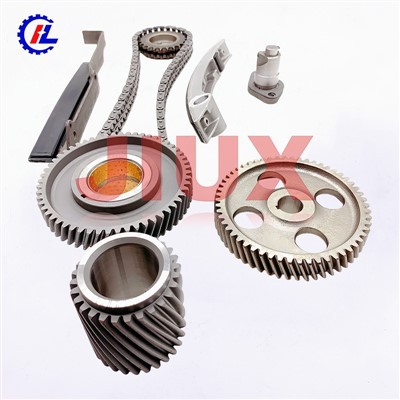
In conclusion, while it is possible to install many ‘Fit for BMW’ parts yourself, it’s important to carefully consider the complexity of the part, your own skill level, the availability of resources, and safety. For simple parts, self – installation can be a great way to save money and gain a better understanding of your vehicle. However, for more complex components, it may be wise to seek professional help.
Fit for TOYOTA If you’re interested in purchasing ‘Fit for BMW’ parts or need more in – depth advice on installation, we’re here to assist you. Contact us to start a discussion about your specific needs and requirements. We look forward to helping you keep your BMW in top condition.
References
- Haynes BMW Repair Manuals
- BMW official service documentation
- Popular Mechanics automotive guides
- Online BMW Enthusiast Forums
Huzhou Hongli Auto Parts Co., Ltd.
With abundant experience, we are one of the most professional fit for bmw manufacturers in China. Please rest assured to buy customized fit for bmw at competitive price from our factory. If you have any enquiry about cooperation, please feel free to email us.
Address: Building 16, No.50 / Building 18, No.58, Dadongwu, Lianshi Town, Nanxun District, Huzhou, Zhejiang, China
E-mail: jiux@timingkit.cn
WebSite: https://www.jiuxkit.com/
