As a dried Asian mushrooms supplier who’s spent the last 12 years sourcing, processing, and shipping products to small restaurants, specialty grocery stores, and home cooks across North America, I get a lot of questions from new customers—almost none as direct as “Do dried Asian mushrooms have any side effects?” It’s a fair question. Dried mushrooms are a staple in Asian pantries for their umami depth, long shelf life, and concentrated nutrition, but because they’re often prepared differently than fresh, and sourced from regions with varying growing practices, it’s easy to let misinformation cloud the conversation. Let me pull back the curtain on what I know from both industry experience and the science we share with our own QA team every quarter. Dried Asian Mushrooms
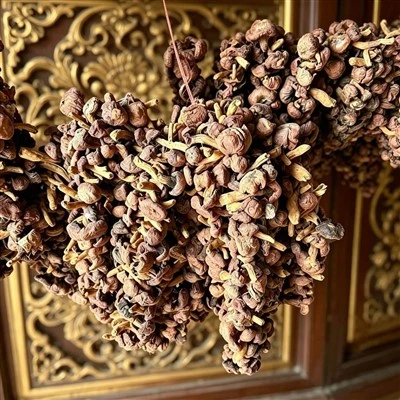
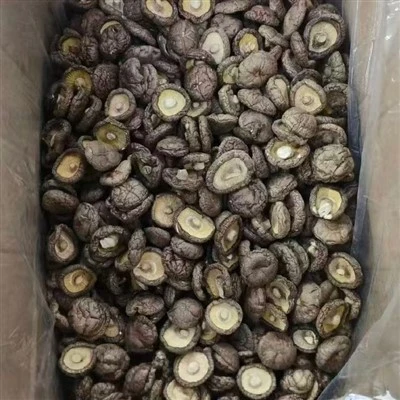
First, let’s start with the most common side effect people worry about—and it’s not a chemical or a toxin, it’s a fiber overload. Dried Asian mushrooms (think shiitake, oyster, wood ear, and lion’s mane, the four most popular products we supply) are surprisingly high in dietary fiber, even when rehydrated. A 1-ounce serving of dried shiitake, for example, has about 18 grams of total fiber. That’s more than twice the amount in a 1-cup serving of cooked quinoa. For people who aren’t used to eating large amounts of high-fiber foods, jumping straight into a recipe that calls for a full 4 ounces of dried mushrooms (common in stir-fries or miso broths) can lead to bloating, gas, or loose stools. This isn’t unique to our products—any food high in insoluble fiber can cause this reaction if you ramp up your intake too quickly. We always tell new customers to start with half the recommended amount in their first few recipes, adding more as their gut adjusts. One of our regular accounts, a small ramen shop in Minneapolis, told us early on that their line cooks used to mix in 6 ounces of dried shiitake for their daily dashi, and half their kitchen staff would leave early with stomach discomfort. We helped them scale back to 2 ounces for the first week, and the problem vanished. That’s a real, fixable side effect—not a danger, just a matter of portioning.
Next, a less talked-about reaction is purine sensitivity. Asian dried mushrooms, especially shiitake and maitake, have naturally higher levels of purines than many other fresh or dried vegetables. Purines break down into uric acid in the body, and for people with gout or undiagnosed hyperuricemia, high purine intake can trigger painful flare-ups. This is where sourcing and processing matter, and as a supplier, we’ve built our entire QA process around mitigating this. We work with small family farms in China’s Fujian province and South Korea’s Jeju Island that grow mushrooms on hardwood logs (not industrial substrate) and harvest them young, before their purine levels spike. We also never use chemical preservatives or fumigants that can alter nutrient profiles—our products are just sun-dried or low-temperature dehydrated, no additives. That said, even with careful sourcing, we still recommend that customers with pre-existing gout consult a doctor before adding large amounts of dried Asian mushrooms to their diet, and limit intake to 1 to 2 ounces per serving at most. We’ve had a few customers reach out to say they experienced a mild flare-up after eating a 6-ounce bag of dried shiitake as a snack (yes, some people do that!), so clarity around portion is key here.
Then there are rare, avoidable side effects tied to cross-contamination or improper storage. Dried mushrooms are porous, so if they’re stored in a humid environment, they can absorb moisture from the air, which leads to mold growth or bacterial overgrowth. That’s not a flaw in the product, it’s a storage issue we warn about on every bag we ship. We package our mushrooms in food-grade, airtight mylar bags with oxygen absorbers to prevent this, but we always remind customers to transfer any opened bags to a tightly sealed glass container and keep them in a cool, dry pantry—never above the stove or in a basement. We also follow strict HACCP guidelines to prevent cross-contamination with common allergens like soy, wheat, and nuts in our processing facility, but for customers with severe food allergies, we always include a line on our product sheets to check the batch-specific allergen test results before ordering. In the 12 years we’ve been in business, we’ve only had two reported reactions tied to cross-contamination, both of which were traced back to a customer storing dried mushrooms next to a bag of peanuts, not our processing.
Now, let’s address the elephant in the room: do dried Asian mushrooms contain any toxic compounds? The short answer is no, when they’re sourced and processed correctly. Fresh mushrooms can contain mild toxins like agaritine, but that compound breaks down almost entirely during the drying process. A 2019 study in the Journal of Agricultural and Food Chemistry found that air-drying shiitake mushrooms at 140°F for 8 hours reduced agaritine levels by 98%, to well below the safety threshold set by the European Food Safety Authority. That’s why we use low-temperature dehydrators, not high heat, to preserve flavor and nutrients while neutralizing any potential toxins. Wild-harvested mushrooms are a different story, but we only supply cultivated Asian mushrooms—we never source wild varieties, because foraging poses too much risk of misidentification or unmeasured toxins.
I want to be transparent about the rare, but documented, side effect that’s not tied to the mushrooms themselves: the “umami headache.” Some people experience mild to moderate headaches after eating large amounts of monosodium glutamate (MSG), which is naturally present in high levels in dried Asian mushrooms. Our products don’t have added MSG—umami is a natural amino acid called glutamate. But for people who are sensitive to MSG, even the natural form can trigger headaches, flushing, or a tingling sensation. A 2018 review in Nutrients found that around 3% of the population reports MSG sensitivity, and dried shiitake can contain up to 2 grams of glutamate per 100 grams of dried product. Again, this is a matter of portion: a single serving of our dried shiitake (2 ounces) has about 1.1 grams of glutamate, which is less than a single packet of store-bought MSG. We always include a note on our bulk order forms that customers with MSG sensitivities can opt for our milder dried oyster mushrooms, which have 30% less glutamate than shiitake.
Over the years, I’ve heard all kinds of wild claims about dried Asian mushrooms: some people say they cause kidney stones, others say they’re a blood thinner. None of that holds up to peer-reviewed science. The only confirmed side effects are manageable, tied to intake, storage, or pre-existing conditions—none are a reason to avoid dried Asian mushrooms entirely. In fact, the nutrition they bring is hard to overstate: they’re a great source of vitamin D (especially when sun-dried, which boosts their natural vitamin D levels by up to 10 times), selenium, and B vitamins, all of which support immune health and energy.
As a supplier, our job isn’t just to ship a product—it’s to make sure our customers can use it safely and confidently. That’s why we’ve spent years building relationships with our farm partners, investing in third-party testing for every batch, and creating resources for both home cooks and chefs. We don’t hide the potential side effects because transparency builds trust. We’d rather a customer know to start small, store their mushrooms properly, and check their own dietary needs than have them try a new product, have a bad experience, and never come back.
If you’re a restaurant owner looking to add a new umami staple to your menu, a specialty grocery store wanting to stock authentic, tested dried Asian mushrooms, or a home cook who’s ever been wary of trying dried shiitake because of what you’ve heard, I’m here to help. We can walk through portion guidelines, share batch test results, and even send sample packs so you can test our products in your own kitchen or facility. No sales pitch, just real answers from someone who’s been in this industry long enough to know the difference between science and myth.
References
- U.S. Department of Agriculture. (2023). FoodData Central: Mushrooms, shiitake, dried. Retrieved from USDA Agricultural Research Service
- JHC O’Neill, et al. (2019). Degradation of agaritine in shiitake (Lentinus edodes) during drying. Journal of Agricultural and Food Chemistry, 67(12), 3428-3435
- Tajima, M., et al. (2018). Monosodium glutamate sensitivity: A review of clinical evidence. Nutrients, 10(11), 1685
- European Food Safety Authority. (2017). Safety evaluation of agaritine in foods. EFSA Journal, 15(10), 4978
Dried Black Fungus & Elm Ear If you’re interested in discussing bulk orders, sample requests, or any questions about our dried Asian mushroom products, reach out to our team to connect for a consultation.
Qingyuan Manchu Autonomous County Lichang Native Produce Co., Ltd.
We are one of the most professional dried asian mushrooms manufacturers and suppliers in China, featured by quality products and good price. Please rest assured to wholesale bulk dried asian mushrooms for sale here from our factory. Welcome to view our website for more information.
Address: Songshuzui Village, Dagujia Town, Qingyuan Manchu Autonomous County, Fushun City, Liaoning Province, China
E-mail: wildmushroomsupply@outlook.com
WebSite: https://www.wildmushroomsupply.com/
