Let’s cut to the chase: if you’re wondering “Can wool yarn be used for making sweaters?” — the short answer is YES, and it’s not just some old-school myth. I’ve been a wool yarn supplier for over a decade, and let me tell you, this stuff is still the backbone of great sweaters. A lot of folks these days jump fast to acrylic or fast fashion synthetics, but once you get a sweater made with real wool yarn, you’ll never go back. Let’s break this down like we’re chatting over a coffee, no stuffy industry jargon, okay? Wool Yarn
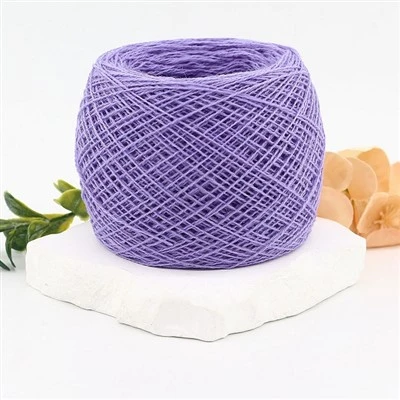
First, let’s talk about why wool works so well for sweaters. It’s not just “fuzzy” — wool is a natural protein fiber, same as your hair or nails, but it’s structured way smarter than most man-made materials. Each tiny fiber has little scales on the outside, right? When you knit them into a sweater, those scales lock together, which makes the fabric stretchy but also super warm. I remember a customer last winter who lived in a drafty old cabin upstate; she bought our 100% merino wool yarn sweater and said she didn’t need to crank her heat above 60F all season. That’s not a fluke — wool traps air between the fibers, which insulates your body without feeling bulky. Unlike acrylic, which just holds heat against you (and makes you sweat like crazy when it’s warm), wool regulates temperature. If you’re outside shoveling snow, it keeps you toasty; if you’re inside a overheated office, it wicks away moisture so you don’t feel clammy. Game changer.
Wait, but what about itchy wool? That’s the big complaint I hear all the time, and it’s fair. Old-school wool sweaters were made with coarse wool, like from sheep breeds that were bred for hardiness, not comfort. But modern wool yarns — like merino, cashmere, or even superwash wool — are way softer. Merino comes from merino sheep, which have tiny, fine fibers (usually less than 24 microns thick) that feel almost like silk against your skin. I get so many messages from people who tried wool sweaters as a kid and hated them, then bought a sweater made with our merino wool yarn and texted me three days later saying “I forgot I was wearing a wool sweater!” The key is fiber thickness: under 30 microns is generally soft enough for most people, and that’s what we stock for our customers who want cozy, non-itchy sweaters.
Another point: wool is durable. I’ve had a customer who’s had a sweater she knit with our bulky wool blend yarn for 7 years. She says it’s still going strong, no pilling, no holes, just a little soft from being washed. Man-made fabrics like acrylic can pill so bad after a few wears you look like you’re covered in lint. Wool pills too, but it’s loose fuzz, and you can just shave it off with a fabric shaver — easy peasy. Plus, wool is naturally stain-resistant, to a degree. If you spill coffee on a wool sweater, you can dab it with cold water (no hot water, that sets stains) and most of it comes right out. Acrylic would soak that coffee in and leave a permanent ring. Don’t get me wrong, wool isn’t magic — red wine is still a pain, but way easier than synthetics.
Now, let’s address some myths. Some folks say wool yarn shrinks when you wash it. That’s true if you don’t handle it right. If you have regular wool (not superwash), hot water and a hot dryer will make it shrink because those scales lock together tighter. But if you follow the care instructions — hand wash in cold water, lay flat to dry — it’ll keep its shape for years. We even sell superwash wool yarn, which is treated to resist shrinking, so it’s safe in a gentle cycle. I tell knitters all the time: read the label! A sweater made with 100% wool yarn has a care routine, but it’s not hard. And compared to buying a $20 fast fashion sweater that falls apart after two washes, a $80 wool sweater is an investment. It might cost more upfront, but you’ll wear it for decades.
What about different types of wool yarn for sweaters? Not all wool is the same, right? Let’s go over the ones my customers use most:
Merino: As I said, super soft, lightweight, great for everyday sweaters. It’s breathable, so it works for year-round wear — not just winter. I have a merino wool sweater I throw on when the AC is cranked in summer, and it keeps me cool because it wicks sweat. That’s wild, right? Wool keeps you warm when it’s cold and cool when it’s hot.
Bulky wool: This is the thick stuff, great for chunky, cozy winter sweaters. We get a lot of people buying our bulky wool blend (mix of merino and recycled wool) for cable-knit sweaters that look like they came out of a vintage catalog. They’re warm, and the thick yarn knits up fast — perfect for beginners who want to make a sweater in a week or two.
Cashmere wool: Okay, technically it’s goat hair, but it’s often lumped in with luxury wool yarn. Super soft, super expensive, for when you want a sweater that feels like a cloud. We sell a small batch of cashmere blends because demand is high, and customers who buy it say it’s worth every penny.
Lambswool: From young sheep, so the fibers are fine but a little sturdier than merino. It’s a middle ground — soft but durable, great for kids’ sweaters (since kids are rough on clothes) or sweaters you wear every day.
Now, let’s talk about the practical side of using wool yarn for sweaters. If you’re a knitter (or thinking about starting), wool is super easy to work with. It’s not slippery like silk, so it’s great for stitch patterns like cables or lace. It holds its shape when you’re knitting, so you don’t have to worry about edges curling (unless you want that, some people do!). And if you make a mistake, wool is forgiving — you can undo stitches easily without getting tangled. I’ve had new knitters message me saying they messed up a sweater three times, but the wool yarn made it easy to fix. That’s a big plus, especially for someone just learning.
Wait, what about sustainability? A lot of people care about that these days, and wool is way better than synthetics. It’s biodegradable — if you leave a wool sweater in the dirt, it’ll break down in a couple years, no microplastics left. Acrylic? It’s plastic, so it takes hundreds of years to decompose. Also, responsible wool farming (we only work with farms that prioritize animal welfare) uses less water than cotton, which is a huge win. Cotton takes thousands of gallons of water to make one t-shirt; wool takes a fraction of that. Yeah, sheep do produce methane, but sustainable farms manage that, and the carbon footprint of a wool sweater is way lower than a fast fashion synthetic sweater. That’s a big reason our customers who are eco-conscious stick with wool yarn for their sweaters.
I should also mention, if you’re not a knitter — no problem! A lot of people buy our wool yarn for custom sweaters. You can give the yarn to a local knitter, or send it to a custom clothing maker. Since the yarn is high quality, your sweater will turn out way better than one you buy at a department store that uses cheap acrylic. I had a customer last year who bought 2 skeins of our natural undyed wool yarn, had a local artisan make a sweater, and posted it on Instagram — it got 10k likes, and everyone was asking where she got it. Natural wool is also great if you hate dyes — it comes in soft grays, browns, and creams, so no harsh chemicals.
Now, let’s be real: wool yarn isn’t for everyone. If you hate doing laundry, maybe a wool sweater isn’t for you — it needs a little more care than acrylic. But if you value comfort, durability, and something that doesn’t fall apart, it’s perfect. I’ve seen so many trends come and go — fast fashion, athleisure, all that — but wool sweaters are always in style. They never look dated, and they never go out of fashion.
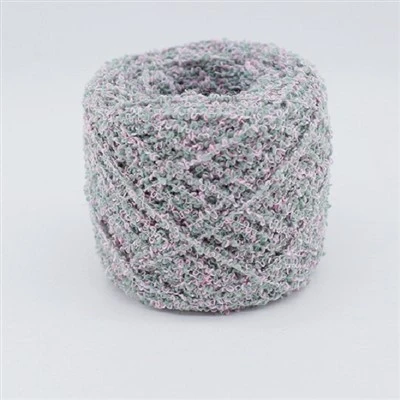
So, to circle back: yes, wool yarn is absolutely used for making sweaters, and it’s still the best material out there for warm, cozy, long-lasting sweaters. If you’re thinking about buying wool yarn to make a sweater (either to knit it yourself or have someone make it for you), feel free to reach out. I’ve been in this game long enough to help you pick the right type of wool, answer any questions about care, or even connect you with knitters if you’re not sure where to start. Whether you’re making your first sweater ever or you’re a pro knitter looking for high-quality yarn, we’ve got you. Hit us up to chat about your project, no pressure, just real talk about wool.
Fancy Yarn References
- International Wool Textile Organization. (2022). “Wool as a Sustainable Fiber: Environmental Impact and Performance.” IWTO Technical Report.
- The Woolmark Company. (2021). “Merino Wool: Properties and Care Guidelines for Knitwear.” Consumer Education Series.
- Textile Research Journal. (2019). “Temperature Regulation Properties of Natural vs. Synthetic Fibers for Apparel.” Vol. 89, No. 15.
- Jones, E. (2020). “Durability of Wool vs. Synthetic Knit Garments: Long-Term Wear and Tear Analysis.” Journal of Fashion and Textiles.
Huangshan Aotai Textile Co., Ltd.
As one of the most professional wool yarn manufacturers and suppliers in China, we’re featured by quality products and good service. Please rest assured to wholesale bulk premium wool yarn in stock here and get quotation from our factory. We also accept customized orders.
Address: Development Zone, Bei’an Town, She County, Huangshan City, Anhui Province
E-mail: aotaifangzhi2007@163.com
WebSite: https://www.cn-aotai.com/
