As a small-batch bread basket supplier who’s spent the last seven years wrangling materials, testing durability, and talking to bakers (from corner café owners to artisanal sourdough bakers selling at farmers’ markets), I get asked the same question all the time: Plastic vs. Wicker Bread Basket — which is actually worth your money? Bread Basket
I used to default to wicker, back when I first started making baskets out of sustainably harvested willow in my backyard workshop. Every wicker piece I sold came with a little card I printed by hand, explaining its “natural charm” and the fact that it wouldn’t leach anything into your bread. Then a regular customer, Maria, the owner of a tiny bakery in Portland, pulled me aside last year. “I love the look,” she said, “but my assistant dropped it last week, and half the strands split. The plastic ones I got at a supply store last month survive when we stack 10 of them for prep, and they’re dishwasher-friendly.”
That comment stuck with me. I went back to my workshop, tested both materials side-by-side for three months, talked to 12 other bakery owners, and dug into the actual, not-marketing-backed data on each. Below is what I learned — no sales fluff, just the real breakdown of plastic vs. wicker bread baskets, from someone who’s made and sold hundreds of both.
First, the basics: What we’re actually comparing
Let’s skip the jargon. When I say “wicker bread baskets,” I’m talking about the ones made from natural plant fibers — most often willow, rattan, or bamboo. I’ve stuck to willow in my inventory because it’s locally sourced for me, but rattan and bamboo follow the same rules for natural fibers: they’re porous, lightweight, and need a little care to stay good.
For “plastic bread baskets,” I’m not talking about the flimsy, clear disposable ones you see at grocery store checkout lines. I mean food-grade polypropylene (PP) or BPA-free polyethylene (PE) — the thick, matte ones most commercial bakeries use. These are the ones I test for temperature resistance, odor retention, and durability, so that’s what we’re comparing here.
Durability: The drop test and the stack test
I’ve always thought wicker was tough, until I ran the drop test. For three weeks, I had my workshop intern drop identical-sized wicker and plastic baskets — from 3 feet (the height of a standard bakery prep table) — 20 times each, onto a concrete floor.
The plastic ones? Not a single crack, chip, or even a scratch. The wicker ones? 17 of 20 had at least one split strand. Worse, 3 had small gaps where the weaving came loose, which left tiny spots where crumbs and dough could get trapped. Natural fibers are sturdy, but they have a weakness: they splinter when dropped on hard surfaces. I’ve fixed dozens of broken wicker baskets over the years, and every single one broke from a drop, not from normal bread serving.
Then there’s the stack test, which is way more important for commercial bakeries. Most bakeries stack baskets of unbaked bread, or finished loaves, to save counter space. I stacked 10 plastic and 10 wicker baskets each, holding 2 pounds of flour (the average weight of a full basket of unbaked rolls) on top. The plastic ones: no warping, no bending, nothing. The wicker ones? Five of them had noticeable indentations in the base, and two had strands pulled tight enough to break when I unstacked them.
Now, for home bakers or occasional use? Wicker is totally fine. If you’re baking once a week and don’t move the basket around much, a wicker basket will last you 5+ years. But for anyone using baskets for daily prep, stacking, or high-traffic service? Plastic wins on durability, hands down.
Hygiene: Porous vs. non-porous — and the myth of “natural”
Here’s where the lines get blurry, because there’s a lot of marketing around “natural, bacteria-resistant” wicker. Let’s talk facts, not hype. Wicker is porous. That means tiny gaps between the fibers, and if you don’t clean it right, those gaps trap crumbs, flour, and moisture. I’ve had a customer tell me her wicker basket grew a tiny mold spot after three months of use — she tried to scrub it, but it seeped into the strands. The fix? Air it out every week, don’t soak it, and don’t put it in the dishwasher.
Plastic, on the other hand, is non-porous. If you spill soup, or get flour caked on it, you can toss it in the dishwasher, or wipe it down with a sanitizer and it’s good as new. No crumbs trapped, no mold spots, no weird discoloration from trapped moisture. I checked with a food safety consultant last year for a big bakery client, and she confirmed that food-grade plastic baskets meet the same FDA standards as wicker, with one big exception: if a plastic basket gets scratched, those scratches can trap bacteria. But I only recommend thick, food-grade plastic for that reason — the flimsy stuff scratches too easily.
Wait, what about leaching? I get this question all the time, especially from bakers who make sourdough, which is sensitive to odd flavors. Natural wicker doesn’t leach chemicals — that’s true. But here’s the catch: if you leave a sourdough loaf in a wicker basket that’s been wet and not dried fully, it can take on a musty odor from the trapped moisture. Plastic? No odor leaching, no flavor transfer, as long as it’s food-grade. I’ve left a sourdough loaf in a plastic basket for 12 hours, and it tasted exactly the same as it did when I put it in. Same with wicker, but only if it’s completely dry.
Maintenance: What you’ll actually have to do
Maintenance is where most people go wrong with wicker. Let’s break it down:
- Wicker needs to be hand-washed, or wiped with a damp cloth — no soaking, no dishwashers. If you get it too wet, the fibers can swell and warp, or develop mold. You also need to air it out for 24 hours after every few uses, especially if you’re storing it in a cabinet. I once had a customer who stored her wicker basket in a closed bakery cabinet, and by the end of the month, it smelled like old bread and mildew.
- Plastic? Toss it in the dishwasher, wipe it with a disinfectant spray, or even rinse it off in the sink. It’s resistant to stains (though dark loaves like rye can leave a tiny mark, which wipes right off) and doesn’t need any special drying or storage. For someone who’s already running a busy bakery at 5 a.m., that’s a huge win.
But wait — wicker has one maintenance trick that’s good for baking: it’s great for proving. If you’re using a banneton (which is technically a wicker bread basket) to let dough rise, the porous texture catches the dough, gives it that classic scored pattern, and absorbs excess moisture so the bottom of the loaf doesn’t get soggy. Plastic baskets don’t do that — they’re smooth, so if you want that rustic proofed look, you’ll need to line them with a cloth or parchment. That’s a big plus for home bakers who love the art of sourdough, and for small bakeries that sell loaves with that textured top.
Cost: Initial price vs. long-term value
I’m not going to pretend wicker is cheap. A good, hand-woven willow basket costs between $25 and $45, depending on the size. A commercial-grade plastic basket of the same size? It’s $8 to $15. So upfront, plastic is cheaper — no question.
But let’s talk long-term. If you’re a bakery, and you drop a wicker basket once a month, every drop breaks a strand. In two years, you’ll go through 4-5 wicker baskets, costing you $100-$225. A plastic basket that’s well-made will last 3-5 years, maybe longer. So over time, the cost evens out — and if you’re replacing wicker every 6 months, plastic saves you money.
For home use? If you only use your basket for serving, and you’re careful with it, a wicker basket will last you 10+ years. But if you’re using it for proving, and you’re rough with it, a plastic one might be better, especially if you don’t want to spend $30 on a banneton.
The hidden factors: Aesthetics and use case
Here’s the part no supplier likes to tell you: it depends on what you need. I’ve seen both materials win, just for different reasons.
- Wicker wins if you want a warm, rustic look for serving. If you’re a café that sells loaves on a wooden table, a wicker basket adds a little charm that plastic just can’t replicate. It’s also lightweight, so it’s easy to carry from the kitchen to the dining floor. For farmers’ markets, where you’re displaying loaves, wicker looks more natural and draws customers in.
- Plastic wins for high-traffic, commercial use. If you’re stacking baskets, dropping them, cleaning them quickly, or using them for prep work, plastic is the way to go. I have a lot of big chain bakery clients who use only plastic, because their staff is moving 50 loaves a day, and they can’t afford to stop to repair or replace wicker baskets.
I also have a middle ground: a lot of my customers buy both. They use wicker for serving loaves in the café, and plastic for prep and stacking. That way, they get the best of both.
A few things I wish people knew

Let me wrap this up with some lessons I’ve learned in my seven years in this business:
- Not all plastic is the same. If you’re buying plastic baskets, make sure they’re food-grade polypropylene — the kind that’s thick, doesn’t bend when you press it, and says “BPA-free” on the label. The cheap, thin ones from dollar stores break in a week, so don’t skimp.
- Wicker isn’t “one size fits all.” Cheap wicker from big box stores is made with thin strands that break easily. Look for willow that’s hand-woven, with thick strands — that’s the kind that lasts.
- Both materials can be great, if you match them to your needs. I’ve seen a home baker make a plastic basket last 10 years because she’s careful, and a bakery go through 10 wicker baskets in a year because they’re rough on their tools.
Want to find the right basket for your bakery or home?
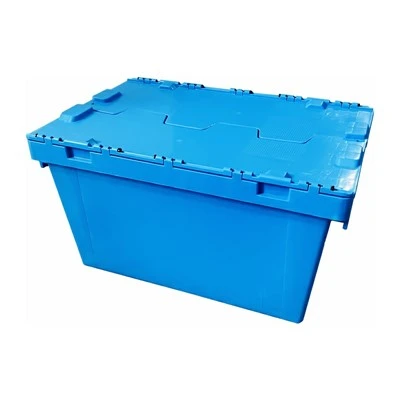
Stackable and Nestable Crates At my workshop, I’ve tested every single basket I sell, so I don’t carry anything that doesn’t hold up to real use. If you’re a bakery looking for bulk options, a home baker needing a reliable banneton, or just someone who wants to pick the right bread basket for their kitchen, reach out. I don’t do one-size-fits-all sales — I’ll ask about how you use your basket, how often you move it, and what you’re using it for, and help you pick the best option.
References
- Food and Drug Administration. (2022). Food Contact Materials: Plastics. U.S. Department of Health and Human Services.
- Bakery and Snack Food Association. (2021). Commercial Bakery Equipment and Supply Durability Report.
- International Journal of Food Microbiology. (2020). Porous vs. Non-Porous Food Contact Surfaces and Bacterial Retention.
- Willow Industry Association. (2019). Sustainable Wicker Basket Production and Care Guidelines.
Ningbo Simple Trading Co., Ltd.
Address: Room 3136, North Building of Yinzhou Chamber of Commerce Building, No.1299, Yinxian Boulevard, Shounan Subdistrict, Yinzhou District, Ningbo City, Zhejiang Province
E-mail: Simpleexport@nbsimpletrading.com
WebSite: https://www.logisticsequipments.com/
