Hey there, it’s Jake from Fin Seal Tech—your go-to for all things fin seal pouches, the kind you rely on for everything from snack packaging to small-part storage, and yeah, we’ve all had that moment where a batch of pouches you stashed at the shop go all wonky: crinkly edges that won’t seal right, or they get sticky in spots you didn’t plan for. As a supplier, I get it—you invest in these because they’re durable, versatile, and way better than regular ziplock bags for keeping things airtight, but they’re only as good as how you store ’em before you even crack one open. Fin Seal Pouches
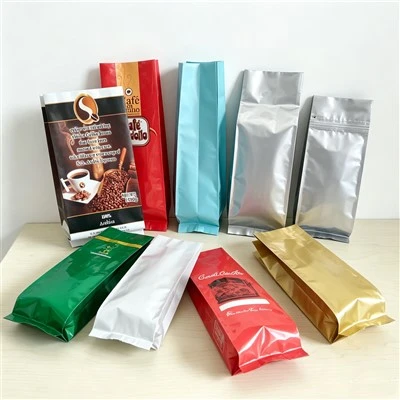
I’ve been working with fin seal pouches day in and day out for over 8 years now, and I’ve seen every storage mistake under the sun. New customers will call panicking because half their shipment arrived at their warehouse in a hot truck during summer, and suddenly the fin seals aren’t lining up. Or small business owners will keep a box of samples in their garage next to the space heater, only to find the plastic’s gone brittle and tears when they try to open it. The good news? Storing fin seal pouches isn’t rocket science—it just means sticking to a few simple, science-backed rules that I’ve learned the hard way (read: lost a couple of repeat customers over a bad storage call early on).
First off, let’s break down what makes fin seal pouches tick, because that’s the base of all this. Most fin seals are made from a mix of low-density polyethylene (LDPE) and linear low-density polyethylene (LLDPE), right? Maybe some have a thin layer of nylon for extra puncture resistance, but the main thing is that they’re plastic polymers. Those polymers are super sensitive to environmental factors—heat, moisture, light, even how they’re stacked. Mess with any of those, and the seal’s ability to form that airtight, long-lasting bond gets shot to hell.
Let’s start with the big one: temperature. I can’t stress this enough. Our warehouse’s thermostat is set to a steady 65°F (18°C) year-round, no exceptions. Why? Plastic polymers get funky when they’re too hot or too cold. If temps climb above 85°F (29°C), the plastic starts to soften a little. That might not sound like a big deal, but when you have a stack of pouches sitting in a hot corner, the edges of the pouches on the bottom of the stack can get smushed together—they might even start to lightly stick to each other. Then when you go to pull a pouch apart, you rip a chunk of the seal off, or the fin edges get all warped so they don’t align right when you’re sealing. On the flip side, if temps drop below 40°F (4°C), the plastic gets brittle. I once sent a batch of samples to a customer in Minnesota in January, and they texted me saying half the pouches cracked when they bent them. Turns out they left them in their unheated delivery truck for 3 days before bringing them inside. Lesson learned: always keep pouches in a space that’s room temp, roughly 60-75°F (15-24°C). No attics, no garages, no spots next to ovens, heaters, or AC units that blow direct air.
Next up: moisture. Water is a fin seal’s worst enemy before use. Plastic polymers aren’t porous, but the adhesive (wait, no—wait, fin seals are heat-sealed, right? Yeah, the fin is two layers of plastic that melt together when heated. So if there’s moisture on the surface of the pouch, or in the air around it, that messes with the heat-seal process. Let’s say you keep a box of pouches in a damp basement. The surface of the plastic will absorb a tiny bit of moisture over time. When you go to seal a product inside, the moisture creates a barrier between the two fin layers so they can’t melt together properly. That leads to weak seals, leaks, and all sorts of headaches for your customers. I’ve had a customer send back a whole order once because their seals were leaking, and when we checked the batch records, their warehouse had 60% humidity that month. Fix? Keep your storage space’s humidity between 30-50%. If you’re in a super humid climate, get a cheap dehumidifier—we use one that runs in our back storage section and it’s paid for itself ten times over. Never store pouches on concrete floors, either—concrete wicks moisture. Use pallets or plastic shelving to lift ’em up off the ground.
Light, specifically UV light, is another one people sleep on. Fin seal pouches might look like tough plastic, but the UV rays from sunlight or even harsh indoor lighting (like those bright warehouse LED tubes that are way too bright) break down the plastic polymers over time. That’s called photo-degradation. What does that look like? The plastic turns yellow, gets brittle, and the fin seals lose their flexibility. We once tested a batch of pouches left in our loading dock window for 2 weeks, and when we went to seal them, 15% of the seals failed completely. So rule number one: don’t store pouches in direct sunlight. If your warehouse has big windows, use opaque curtains or tinted film to block UV rays. Also, avoid fluorescent lights that emit a lot of UV—look for “UV-filtered” LED lights if you have to use bright, continuous lighting in your storage area. And when you’re handling individual pouches, don’t leave ’em out on a counter by a window while you’re packing—grab what you need and put the box back right away.
Now, how you stack and pack the pouches matters more than you’d think. A lot of customers will just dump a whole pallet of pouches in a corner and walk away, but that’s a no-no. Fin seal pouches are flexible, so if you stack too many high, or stack heavy boxes on top of them, the ones on the bottom will get compressed. Compression warps the fin edges—they don’t stay straight, so when you go to seal them, the two fin parts don’t line up perfectly. Even a tiny bend in the fin can create a gap that lets air in. We recommend stacking pouches in boxes no higher than 12 inches (30 cm) max. And if you’re storing them long-term (like more than 3 months), wrap the whole stack in a loose, breathable plastic wrap—not airtight shrink wrap, that traps moisture. Or use plastic storage bins with lids that have small vents, so air can circulate but dust and bugs stay out. Oh, and never stack anything heavy on top of pouch boxes—no tools, no inventory, nothing. Keep the top of the stack clear so the pouches stay flat.
Wait, what about long-term storage vs. short-term? I get it—some of you are seasonal businesses, so you might stock up on pouches 6 months before a big holiday rush. What’s the deal there? Our rule for long-term storage (over 6 months) is to add a desiccant packet to each box of pouches. Desiccants absorb any extra moisture in the box, so that’s a cheap insurance policy. Also, if you’re storing them for more than a year, rotate your stock—use the oldest batch first, because even in perfect conditions, plastic slowly degrades over time. We print the manufacture date on every box of our pouches, so it’s easy to track that. I can’t tell you how many times a customer has come to us saying their pouches are no good, and it’s because they bought a batch 2 years ago and never used it, stored in their attic. Don’t do that.
Let’s talk about some common mistakes I see all the time, to make this concrete. First, storing pouches in the same area as raw food or chemicals. The plastic of the pouch is porous enough to absorb odors and chemical fumes over time, right? So if you have a box of cleaning supplies next to your pouch stack, your pouches will smell like bleach, and when you use them for food, that’s a huge problem. Second, using a cardboard box that’s damp. A lot of warehouses reuse old boxes, but if the cardboard is even a little bit moist, it’ll transfer that to the pouches. Always use new, dry boxes. Third, pulling pouches out with dirty hands. Oil from your fingers can get on the fin edges, creating the same barrier as moisture, so the seal won’t stick. Make sure your hands are clean when handling pouches, or use disposable gloves if you’re in a busy warehouse.
Now, as someone who supplies these pouches, I want to be clear: these tips aren’t just for us—they’re for you, because if our pouches work well for you, you’ll come back and order more. We’ve tested our pouches in all kinds of conditions, so we know what works. For example, our standard fin seal pouches have a rated shelf life of 18 months when stored in optimal conditions, but that drops to 6 months if stored in a hot, damp garage. That’s a real number, not just marketing fluff.
Wait, let’s do a quick little checklist to make this easy for you, so you don’t have to remember all of this: 1. Keep temp between 60-75°F (15-24°C) 2. Humidity between 30-50% 3. No direct sunlight or harsh UV lights 4. Stack pouches no higher than 12 inches, no heavy stuff on top 5. Use dry boxes, desiccants for long-term storage 6. No odors/chemicals near pouches. That’s it. No fancy tools, no complicated systems.
If you’re a small business just starting out and only keeping a case of pouches in your shop closet, these rules still apply. I’ve had a café owner tell me she kept her snack pouches in the back of her kitchen, next to the fryer, and they kept leaking. We told her to move them to the upper shelf of her dry storage closet, and she texted me a month later saying her seal failure rate dropped from 10% to almost zero. That’s the kind of win that makes this job worth it.
At the end of the day, fin seal pouches are built to last and seal tight—when they’re stored right. They’re not disposable plastic that’ll fall apart if you look at ’em wrong, but they do need a little care before you use them, just like any other product. If you’re worried about how you’re storing your current stock, or you need new pouches that hold up even if your storage space isn’t perfect (we have heavy-duty pouches for that, by the way), hit us up to connect and chat through what you need. We can help you pick the right pouch, and even send a free storage cheat sheet to tape up in your warehouse or shop.

Oh, and one last thing: if you ever get a shipment from us and notice the pouches look off—smell weird, are warped, crinkly—don’t panic. Reach out to our team right away, we’ll sort it out, no questions asked. We stand behind every pouch we send, but good storage on your end makes all the difference.
Daily Necessities Packaging Solutions References
- American Society for Testing and Materials. (2020). Standard Practice for Storage of Flexible Packaging Materials. ASTM International.
- Packaging Association for Flexible Packaging. (2022). Guide to Fin Seal Pouch Handling and Pre-Use Storage. PAFP Technical Bulletin 17.
- Wang, L., & Zhang, H. (2021). Effects of Environmental Factors on the Mechanical and Seal Properties of Polyethylene-Based Flexible Packaging Films. Journal of Packaging Science and Technology, 34(2), 89-105.
Qingdao Senlida Packing Co., Ltd.
Qingdao Senlida Packing Co., Ltd. is one of the most experienced fin seal pouches manufacturers and suppliers in China since 1995. With a professional production team, we are able to meet the needs of the majority of our customers. Please feel free to buy high quality packing products at competitive price from our factory.
Address: No.299 Feichao Road, Luwang Town, Huangdao District, Qingdao, Shandong Province, China.
E-mail: liuxh@qdsenlida.com
WebSite: https://www.senlidapacking.com/
