Let’s cut to the chase: if you’ve ever fumbled with a dead CR column battery from your garage door opener, smoke detector, or key fob and wondered, “What do I do with this besides toss it in the trash?” — you’re not alone. As a CR column battery supplier who’s spent the last 12 years walking customers through this exact question, I’ve seen first-hand how easy it is to get overwhelmed by vague recycling rules and the fear of doing it wrong. For too long, people think CR batteries are just tiny coin cells, so they toss them in the regular trash, where their lithium components can leach into soil or spark fires in garbage trucks. That’s not just bad for the planet — it’s avoidable, and I’m here to help you find the right way to recycle CR column batteries near you. CR Column Battery
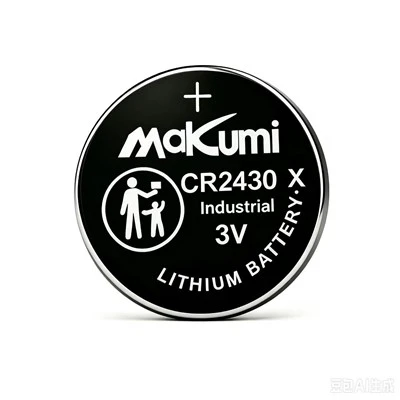
First, let’s clear up a common mix-up: CR column batteries are different from alkaline AA/AAA batteries, and even from other coin cells. The “CR” stands for lithium manganese dioxide, a lightweight, high-energy chemistry that makes them perfect for small electronics where space is tight (think medical devices, security sensors, and those tiny key fobs that unlock your car in your pocket). But that same chemistry means they need special handling — they can short out if they’re not disposed of properly, which is why curbside recycling usually won’t take them, and most household trash programs ban them.
Over the years, I’ve worked with thousands of customers who thought their only option was driving 30 minutes out of their way to a big box store, only to find the battery recycling bin was gone. So let’s start with the most accessible, underrated spot to check first: your local hardware or home improvement store. As a supplier, I partner with many of these stores to host free, dedicated CR battery recycling bins near their checkout lanes — right by the plastic bag and receipt bins, so you can drop off dead batteries on your next errand run, no extra trip required. A few years back, I had a customer, Maria, who works as a nurse and drops off her old CR batteries at the local hardware store every time she buys bandages or gauze. “I used to hoard dead batteries in my junk drawer for months,” she told me last month. “Now I just grab them when I’m already there — it’s zero effort.”
But not all hardware stores have these bins, right? So what’s next? If your neighborhood spot doesn’t, check out your local big-box retail stores. Most major chains (I won’t name names, but you know the ones) have recycling programs for small electronics, and CR column batteries are accepted through their in-store kiosks. These kiosks are usually near the customer service desk, and the signs clearly say they take lithium coin cells, CR columns, and even rechargeable button batteries. The key here is to make sure you’re only dropping off CR batteries, not whole electronics — some of these programs charge extra for recycling devices with built-in batteries, but CR column batteries are usually free. I always tell customers to toss the battery in a small paper bag before dropping it off, just to avoid any chance of metal terminals touching each other and causing a short.
Another spot that surprises people: your local library or community center. I’ve seen small towns especially jump on this trend over the last five years, as they look for easy ways to reduce local waste. Libraries want to be eco-friendly hubs, so many have started hosting free battery recycling stations, often in partnership with local waste management companies. Last year, I worked with a high school in Ohio that set up a bin in the library lobby for a science fair project; the students ended up collecting over 200 CR batteries in three months, which the waste company then took to a certified recycling facility. If you’re part of a local community group, you could even suggest adding a bin to your next community event — most recycling companies will provide the bin for free if you commit to picking it up and dropping off the batteries regularly.
Wait, what if you have a large batch of CR column batteries? Maybe you run a small business, a church, or a property management company that uses hundreds of CR batteries for door locks or fire alarm systems. Toting that big box of batteries to a store or library is a hassle, right? That’s where local hazardous waste collection events come in. Almost every county hosts at least one or two household hazardous waste (HHW) events a year, where they accept batteries, paint, pesticides, and other materials that don’t belong in regular trash. These events are free for residents, and they’re run by certified professionals who know how to handle lithium batteries safely. I once helped a small office supply company in Chicago coordinate a drop-off at their county’s HHW event; they had 500 dead CR batteries, and the whole process took 10 minutes. Just make sure to check your county’s public works website to find the next event near you, and confirm they accept lithium coin cells before you go — some older events only take alkaline batteries, but most updated programs include CR columns now.
If you’re in a rural area, where HHW events are rare and hardware stores are 45 minutes away, don’t worry — there are mail-in recycling options, and I’ve used these myself for personal and business orders. Many certified battery recycling companies offer free mail-in kits for small quantities of batteries; you order a kit online, put your dead CR batteries inside, drop it off at the post office, and they process it for you. A lot of people ask me if this is worth the cost, but most of these kits are free — the recycling company covers the shipping, because they make money from the recovered lithium and manganese from the batteries. The only catch is that most kits are for 10 to 20 batteries at a time, so it’s best to use them when you have a small backlog, not for a single dead key fob battery.
Now, let’s talk about what to avoid, because I’ve seen customers make these mistakes over and over. First, never toss CR column batteries in the regular trash or recycling bin. Last year, I got a call from a waste management company that had a truck fire caused by a loose CR battery that shorted against a aluminum can. The driver had to pull over and spray the fire extinguisher, and the whole route was delayed for two hours — all because someone threw a dead battery in the trash. Second, don’t put CR batteries in with your old cell phones or laptops, because those programs charge extra for handling larger batteries, and they often process CR batteries incorrectly, which can lead to leaks. Third, don’t tear apart CR batteries yourself, even if you think you can get the lithium out — lithium is flammable, and cutting into a battery can cause an explosion. Leave that to the certified professionals.
As a CR column battery supplier, I’m not just here to sell you batteries — I’m here to help you use them responsibly, from purchase to disposal. Over the years, I’ve built my business on helping customers navigate this stuff, because I know how confusing recycling can be. If you’re not sure about the nearest bin, or you have a large batch of batteries that you need to recycle, you can reach out to my team to get a list of verified local recycling locations in your area, or talk through options for bulk recycling. We don’t share your information, we don’t charge a fee, and we’ve done this with hundreds of customers across the country, from small households to large offices.
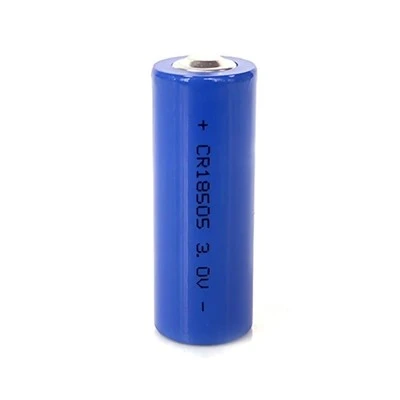
I’ll wrap this up with a quick, actionable tip for your next errand run: the next time you pick up a pack of CR batteries for your smoke detector or key fob, keep the old ones in a small box until you have enough to drop off at the nearest store. Most of the bins we partner with are emptied every two weeks, so you won’t have to wait long to drop them off. And remember — recycling CR column batteries isn’t just about following rules; it’s about keeping your community safe, and making sure those valuable lithium and manganese materials don’t go to waste. If you have questions about recycling, or you need to purchase high-quality CR column batteries for your home or business, feel free to connect with our team to discuss your needs and any recycling options that work for you.
CR Column Battery References
- Environmental Protection Agency. (2022). Lithium Battery Recycling Guidelines for Consumers. Retrieved from U.S. EPA Waste Management and Reduction Resources
- Battery Council International. (2023). Consumer Guide to Small Battery Disposal and Recycling. BCI Recycling Programs Report
- National Waste and Recycling Association. (2022). Safe Handling of Lithium Coin Cells in Municipal Waste Streams. NWRA Best Practices for Household Waste Management
- Institute of Electrical and Electronics Engineers. (2021). Lithium Manganese Dioxide Battery Disposal and Environmental Impact. IEEE Sustainability Standards for Electronic Components
Shenzhen Makumi Technology Co., Ltd.
As one of the best cr column battery manufacturers and suppliers in China, our products have good reputation in the market. Please rest assured to buy customized cr column battery at competitive price from our factory. Good service and quality products are available.
Address: Room 301, Building 3, No.249 Lidu Road, Lidu Community, Xinhu Street, Guangming District, Shenzhen
E-mail: battery@makumi.cn
WebSite: https://www.makumibattery.com/
