If you’ve ever stared at a crisp, vacuum-sealed bag of smoked salmon, a shrink-wrapped block of artisanal cheese, or a bag of coffee beans that still smells like it was just roasted minutes earlier, you’ve interacted with nylon food packaging bags. As a food packaging bags supplier, I’ve spent years answering one question more than any other: “What makes nylon different from the plastic bags I pick up at the grocery store?” It’s not just a matter of chemistry—it’s a set of deliberate, science-backed characteristics that make nylon the go-to choice for foods that need to stay fresh, safe, and appealing through distribution, storage, and even your customer’s pantry. Let’s break down those key traits, why they matter for food, and how they set nylon apart in a crowded market. Food Packaging Bags
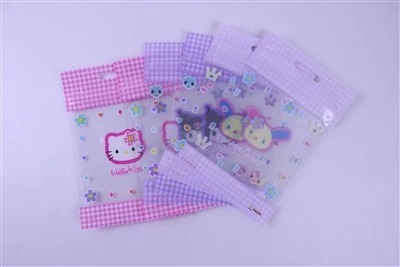
First, the most defining characteristic of nylon food packaging bags is their exceptional barrier properties, specifically against gases and moisture. Let’s get specific here: when nylon is extruded into a thin film, its molecular structure forms a tight, crystalline network that slows the movement of oxygen, water vapor, and even certain aromas. Oxygen is the public enemy of many foods—for meats, it triggers oxidative rancidity, turning fats stale and ruining flavor; for produce like pre-sliced apples, it speeds browning; for cured cheeses, it fuels mold growth. Most common plastics like polyethylene (the stuff of regular grocery bags) let oxygen pass through far too easily, so a bagged roast might go bad in a week if left unprotected, but a nylon-sealed roast can stay fresh for months in the right conditions. The barrier against moisture is just as critical: for dehydrated snacks like jerky or protein bars, it locks in crispness, preventing them from going soft or absorbing excess humidity that leads to spoilage. For frozen foods, it keeps freezer burn at bay—freezer burn comes from moisture escaping the food’s surface and crystallizing, and nylon’s low water vapor transmission rate (WVTR) stops that cold, dry air from seeping in. I’ve seen small food producers switch from polyethylene bags to nylon shrink bags and extend their product shelf life by 30 to 50 percent—and that’s a game-changer for reducing waste and reaching customers further from their kitchen.
Next, nylon’s mechanical durability is non-negotiable for food packaging, especially in the supply chain. Unlike flimsy plastic bags that tear at the slightest snag, nylon is a high-tensile strength polymer—meaning it can stretch, pull, and flex without breaking. That’s why you see nylon used for vacuum sealing: when a bag is pulled tight around a food item, it doesn’t puncture, even if there are sharp edges (think bone in a pork loin, or rigid cheese rinds). It’s also resistant to punctures and abrasion, so when a pallet of packaged goods is moved by forklift, stacked in a warehouse, or tossed into a delivery truck, the bags hold up. This durability doesn’t just protect the food—it reduces the risk of packaging failures that lead to food safety issues. If a bag tears, contaminants from the warehouse or other foods can get inside, spoiling the product or creating a hazard. As a supplier, I’ve had clients tell me that switching to nylon cut their product loss from damaged packaging by up to 40 percent, which translates directly to higher profits and less food going to waste. Another mechanical benefit: nylon is highly flexible, so it conforms to the shape of the food, whether it’s a round wheel of cheese, a irregularly shaped cut of meat, or a tall bag of rice. This adaptability means packaging doesn’t take up extra space, reducing shipping costs because you can fit more packages on a pallet.
Temperature resistance is another key characteristic that makes nylon ideal for a wide range of food applications. Nylon can handle extreme cold and high heat without deforming, which makes it perfect for foods that go through freezing, cooking, or pasteurization. For frozen foods, nylon films stay flexible at temperatures as low as -40°F, so they don’t crack when they’re stacked in a freezer or bent to fit around a frozen turkey. For foods that require heat processing—like sous vide meals, which are cooked in sealed bags, or ready-to-eat meals that go through retorting (high-temperature, high-pressure sterilization)—nylon can withstand temperatures up to 300°F without melting or leaching chemicals into the food. That’s a big deal for food safety: lower-quality plastics might break down when exposed to heat, releasing harmful compounds into the food, but nylon’s molecular structure is stable across that temperature range. I worked with a line of sous vide chicken suppliers last year; they were using polyester bags that would sometimes melt during the cooking process, ruining batches. Switching to nylon bags fixed that problem immediately, and they’ve seen no issues with leaching or deformation in over a year of use.
Wait, I should also mention nylon’s chemical inertness—an often-overlooked trait that’s critical for food safety. Nylon doesn’t react with most foods, even acidic ones like citrus juice or tomato products, fatty ones like oils or nuts, or salty ones like cured meats. Some cheaper plastics can absorb flavors or react with high-acid foods, leading to off-tastes or even chemical contamination. For example, a thin polyethylene bag left in contact with a jar of pickles might absorb some of the vinegar flavor, making the bag taste pickly when it’s used for another product. Nylon doesn’t do that; its tight molecular structure prevents it from absorbing or transferring compounds. That means foods retain their natural flavors, and there’s no risk of harmful chemicals leaching into the food during storage or processing. This is why nylon is the preferred choice for packaging items that have strong flavors—coffee, for example, has volatile aromas that need to stay locked in, and nylon’s aroma barrier prevents those flavors from escaping, while also keeping outside odors from the warehouse from getting inside. I once worked with a specialty coffee roaster who was using paper bags that let coffee lose its aroma within a week; switching to nylon laminated bags kept the coffee fresh and flavorful for up to a month, which let them sell to customers further across the country.
Of course, nylon isn’t used alone in most food packaging—usually, it’s laminated with other materials like polyethylene (PE) or polyester to balance out its strengths. But the core nylon layer is what gives the bag its unique characteristics. For example, the PE layer adds heat-sealability, so you can seal the bag closed without it leaking, while the nylon layer provides the barrier. This combination of layers lets suppliers tailor the packaging to specific needs: a bag for jerky might have a single layer of nylon, while a bag for liquid soup would be a nylon-PE laminate that’s leak-proof. That versatility is another characteristic of nylon—it can be adapted to almost any food packaging requirement, from small individual snack bags to large industrial vacuum bags for meat processing.
It’s also important to address a common misconception: nylon is often thought of as less eco-friendly than other materials, but that’s changing. Modern nylon food packaging bags can be recycled, and many suppliers offer recycled nylon options made from post-consumer waste. The durability of nylon also means it has a longer product life, reducing the need for frequent replacement, and when it’s recycled, it can be turned into new nylon products instead of ending up in landfills. As a supplier, I’ve worked with clients to transition to recycled nylon films, and we’ve seen demand grow as more food brands want to reduce their environmental footprint without sacrificing product quality or safety.
Now, let’s talk about how these characteristics translate to benefits for both food manufacturers and consumers. For brands, nylon packaging means longer shelf life, reduced product loss, lower shipping costs, and better brand reputation—consumers notice when their food stays fresh, and that builds loyalty. For consumers, it means less food waste at home, better tasting food, and safer products. I’ve heard from clients who say their sales of packaged meats increased 25 percent after switching to nylon, because customers saw that the meat looked fresher and lasted longer. That’s the value of understanding the characteristics of nylon food packaging bags—it’s not just a plastic; it’s a tool that helps businesses succeed and consumers get better products.
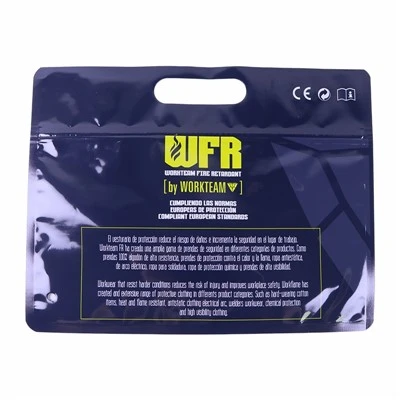
If you’re a food manufacturer, restaurateur, or anyone in the food industry looking for packaging that protects your products, reduces waste, and fits your specific needs, nylon food packaging bags are a reliable choice. Whether you’re packaging fresh meats, frozen foods, snacks, ready-to-eat meals, or specialty items, the characteristics of nylon make it one of the most versatile and effective materials on the market. I’ve been supplying food packaging bags for over a decade, and I’ve helped hundreds of clients find the right nylon packaging solutions for their products. If you’re interested in learning more, testing samples, or discussing your specific packaging needs, feel free to reach out for a consultation to find the right nylon packaging for your business.
Facial Mask Packaging Bags References
- Soroka, W. (2020). Fundamentals of Packaging Technology. Institute of Packaging Professionals.
- Han, J. H. (Ed.). (2014). Innovations in Food Packaging (2nd ed.). Academic Press.
- Polyamide Films for Food Packaging: Properties and Applications. European Packaging Federation, 2021.
Shenzhen Xinhuaye Packaging Products Co., Ltd.
Shenzhen Xinhuaye Packaging Products Co., Ltd. is one of the most reliable food packaging bags manufacturers and suppliers in China, featured by quality products and good price. If you’re going to wholesale bulk durable food packaging bags, welcome to get quotation from our factory. Customized orders are welcome.
Address: No. 168, Changshan Industrial Zone, Liulian Community, Pingdi Street, Longgang District, Shenzhen, China
E-mail: cici@xinhuayepacking.com
WebSite: https://www.xinhuayepacking.com/
